Why Private Label Food Packaging Matters More Than Ever
In today’s competitive retail environment, private label food packaging has become a powerful tool for food brands and retailers.
Whether it’s a supermarket chain launching its own snack line or a startup introducing a new cereal brand, packaging plays a critical role in how customers perceive the product.
A retail buyer once described it this way:
“Customers often decide in just a few seconds. If the packaging looks professional and trustworthy, they’re more willing to try a new brand.”
Good custom food packaging does several things at once:
- communicates brand identity
- attracts attention on crowded shelves
- protects the product
- builds consumer trust
For private label brands that may not yet have strong brand recognition, packaging becomes even more important.
Step 1 – Understand Your Target Market
Before starting the design process, it’s essential to define who the product is for.
Different audiences expect different packaging styles.
For example:
- Organic food products often use natural colors and kraft-style packaging
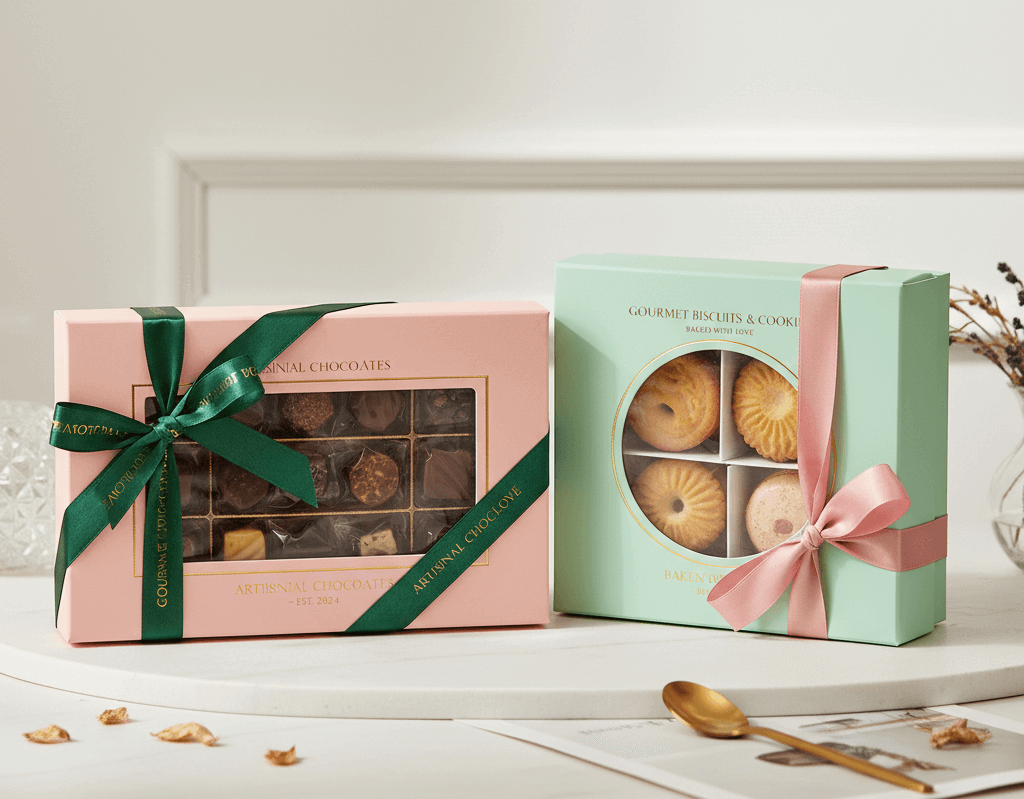
- Premium snacks may use minimal designs with foil accents
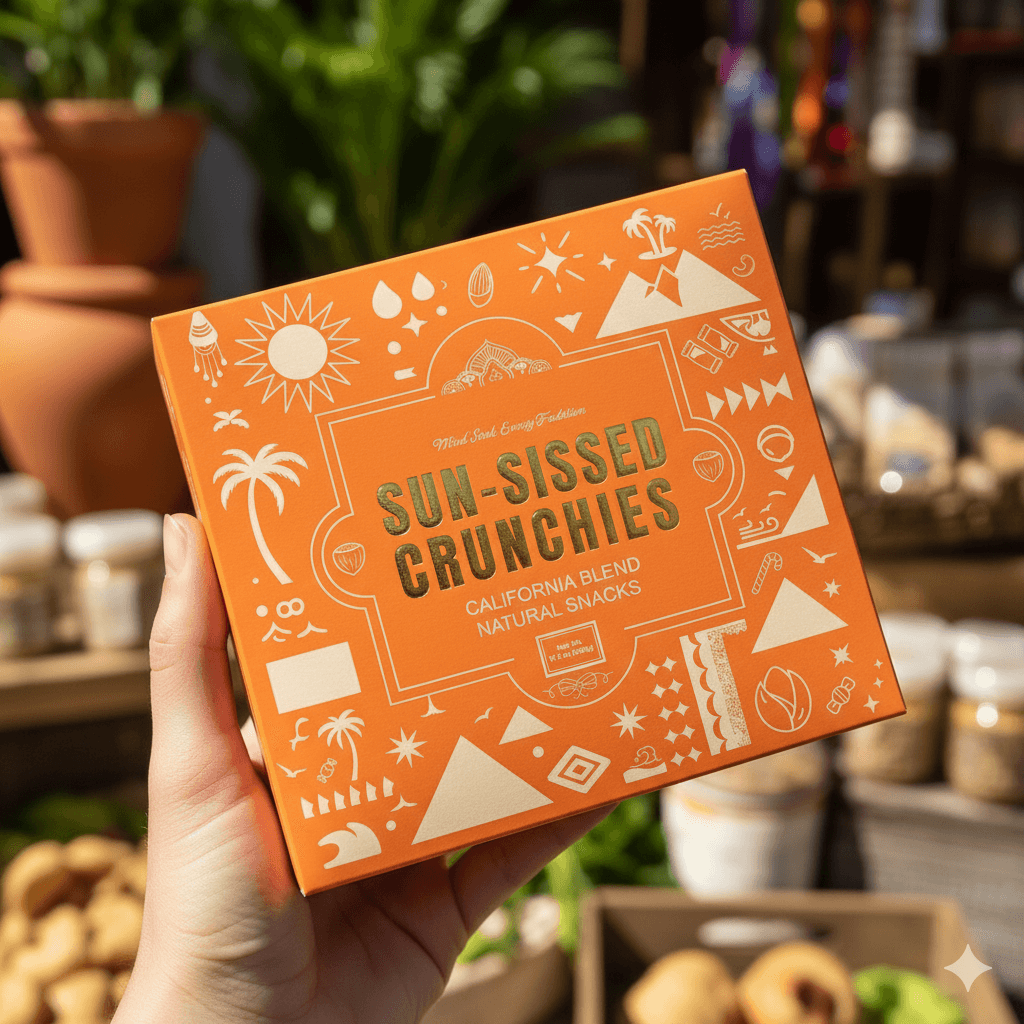
- Family cereal brands often use bright colors and bold graphics
One packaging designer shared a simple rule:
“Your packaging should look like it belongs exactly where it will be sold.”
If the product is targeting health-conscious consumers, the packaging should reflect that lifestyle.
Understanding the target audience helps guide every design decision.
Step 2 – Choose the Right Packaging Structure
The structure of the box or carton should match both the product type and retail environment.
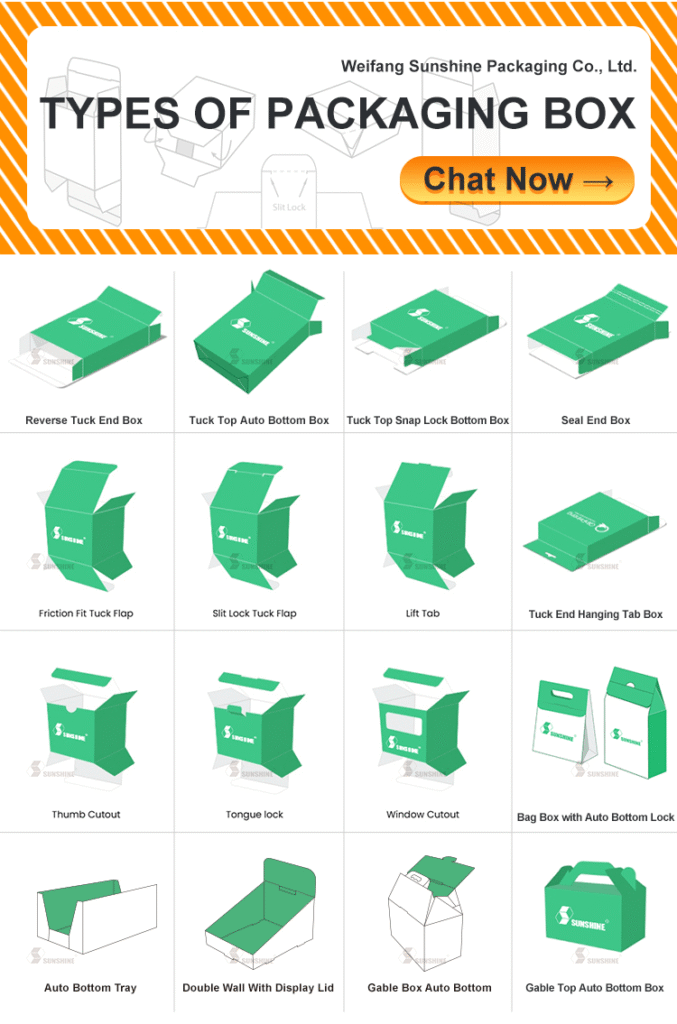
Common structures used in private label food packaging include:
Folding Cartons
Folding cartons are widely used for:
- cereal boxes
- pasta boxes
- dry mix products
- snack bars
They are cost-effective, easy to print, and suitable for high-volume retail distribution.
Sleeve Packaging
Sleeves are commonly used for:
- ready meals
- snack multipacks
- meal kits
They provide strong branding while keeping the packaging structure simple.
Display or Shelf-Ready Packaging
Many retailers prefer packaging that can go directly onto shelves.
Shelf-ready packaging allows store staff to open the box and place it directly on display, saving time during restocking.
Step 3 – Select Suitable Packaging Materials
Materials play a major role in both product protection and visual appeal.
Some common materials for custom food packaging include:
- SBS paperboard – excellent printing quality and clean appearance
- Kraft paperboard – natural look for eco-focused brands
- Coated paperboard – better grease and moisture resistance
The material should match the product requirements.
For example:
- cookies or biscuits require strong structure
- oily snacks may require grease-resistant coatings
- dry foods like pasta require moisture protection
Working with an experienced packaging manufacturer can help determine the best material combination.
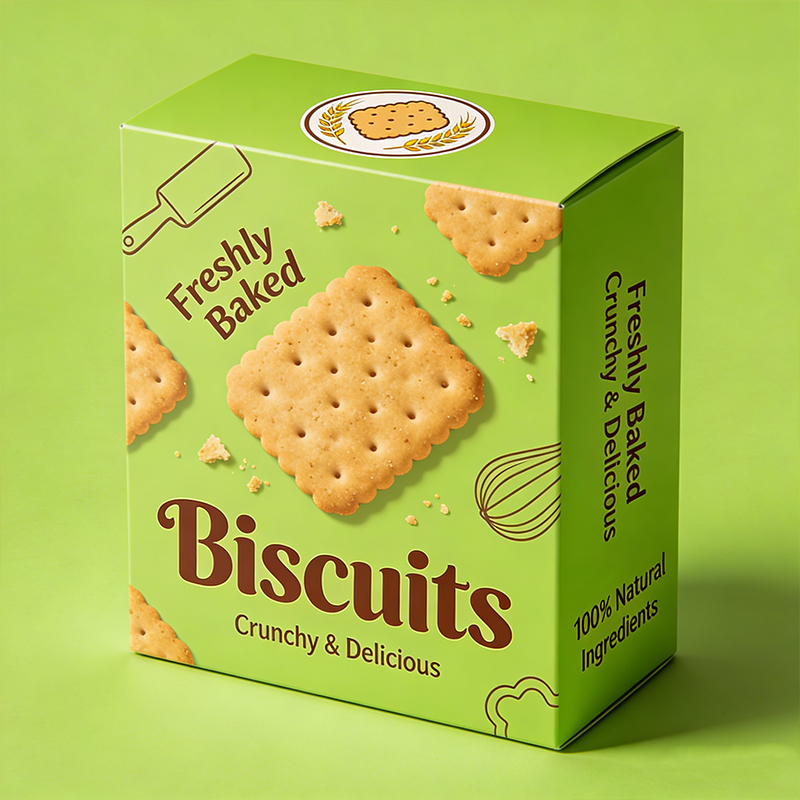
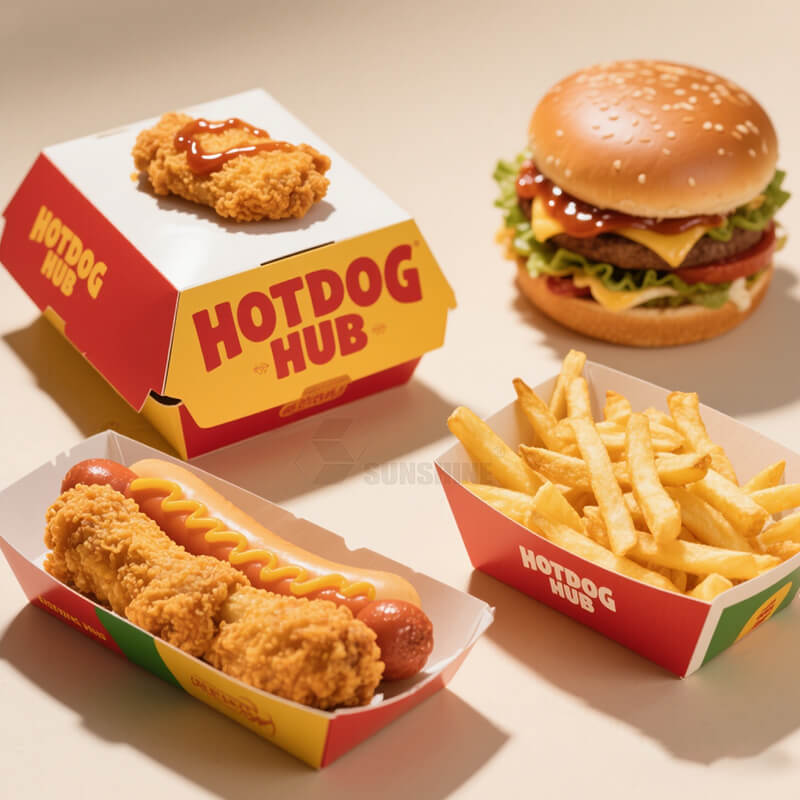
Step 4 – Focus on Clear and Attractive Design
Many successful private label food packaging designs follow a simple principle:
clarity beats complexity.
On a crowded supermarket shelf, customers rarely read everything on the package. Instead, they quickly notice:
- brand name
- product type
- key benefits
Designers often recommend:
- large readable product names
- clear product images or illustrations
- limited color palettes for strong brand identity
One cereal brand learned this the hard way. Their first packaging design used too many colors and small text.
After simplifying the layout, the product became much easier to recognize on shelves.
Step 5 – Ensure Compliance With Food Packaging Regulations
Food packaging must meet certain regulatory requirements depending on the market.
Common requirements include:
- ingredient lists
- nutritional information
- barcode placement
- food safety labeling
Different regions may have different standards, especially for exports.
This is why many brands consult both designers and packaging manufacturers during the development stage.
Step 6 – Optimize for Retail and Logistics
Successful custom food packaging is designed not only for appearance but also for supply chain efficiency.
Important considerations include:
- packaging durability during transportation
- stackability in warehouses
- efficient shelf display in retail stores
Some brands also choose shelf-ready packaging, which allows the shipping carton to become a display tray in stores.
This improves both retail efficiency and product visibility.
Step 7 – Test and Refine Before Mass Production
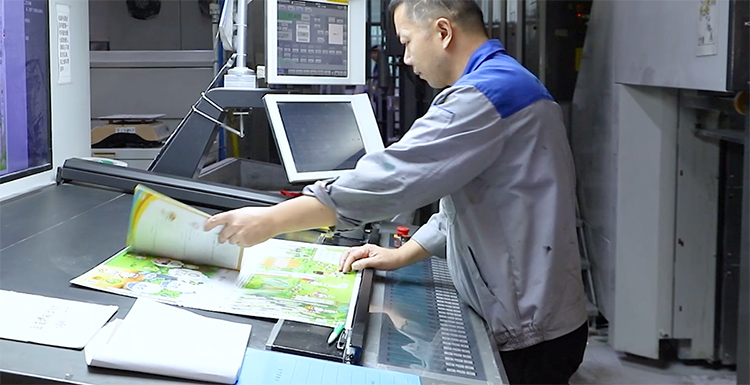
Before launching full production, most food brands create prototype packaging samples.
This step helps evaluate:
- box structure and strength
- printing accuracy and color consistency
- overall shelf appearance
Testing allows brands to make adjustments before committing to large production runs.
Designing effective private label food packaging requires balancing several factors:
- brand identity
- product protection
- retail presentation
- cost efficiency
When done well, packaging becomes a powerful marketing tool that helps food products stand out in competitive retail environments.
By working closely with experienced packaging manufacturers and designers, food brands can develop custom food packaging solutions that not only look professional but also perform well throughout the supply chain.