
Many food brands exploring sustainable packaging ask the same question:
Can paper packaging be used for frozen food?
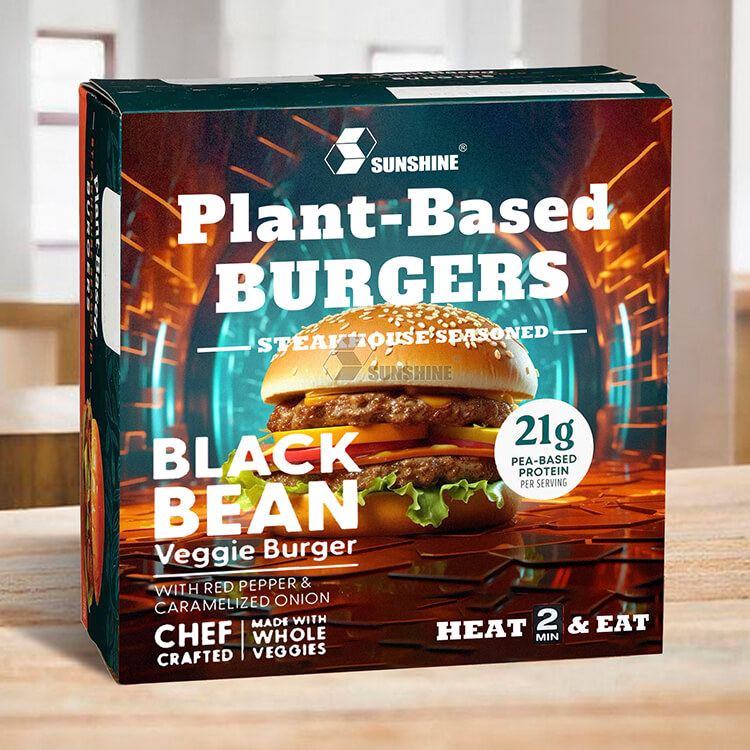
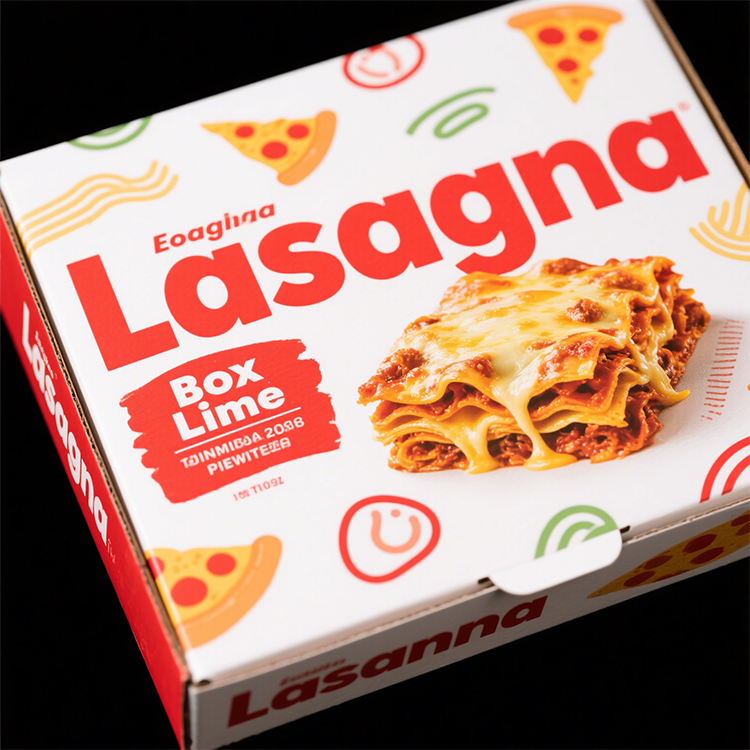
The short answer is yes. Paper packaging is widely used in the frozen food industry today. In fact, many supermarket frozen products—such as pizza, ready meals, fish fillets, and frozen vegetables—are already packaged in frozen food packaging boxes made from paperboard.
However, not all paper packaging works well in freezing conditions. Frozen foods require packaging that can handle low temperatures, moisture exposure, and transportation stress.
Understanding how paper packaging for frozen food works can help brands choose the right materials and avoid packaging failures.
Why Frozen Food Needs Specialized Packaging
Frozen food packaging must perform under conditions that are very different from normal dry food packaging.
Typical frozen storage conditions include:
- temperatures around -18°C (0°F)
- high humidity environments
- frequent temperature fluctuations during transport
Without proper packaging protection, frozen food may experience:
- moisture damage
- freezer burn
- box deformation
- poor shelf appearance
This is why most frozen products use specially designed frozen food packaging boxes rather than standard packaging materials.

Why Paper Packaging Works for Frozen Food
Many food brands are surprised to learn that paper packaging for frozen food works extremely well when designed correctly.
Paperboard packaging offers several important advantages.
Excellent Printing and Shelf Visibility
Frozen food sections in supermarkets are highly competitive. Packaging needs to attract attention through strong branding and clear product images.
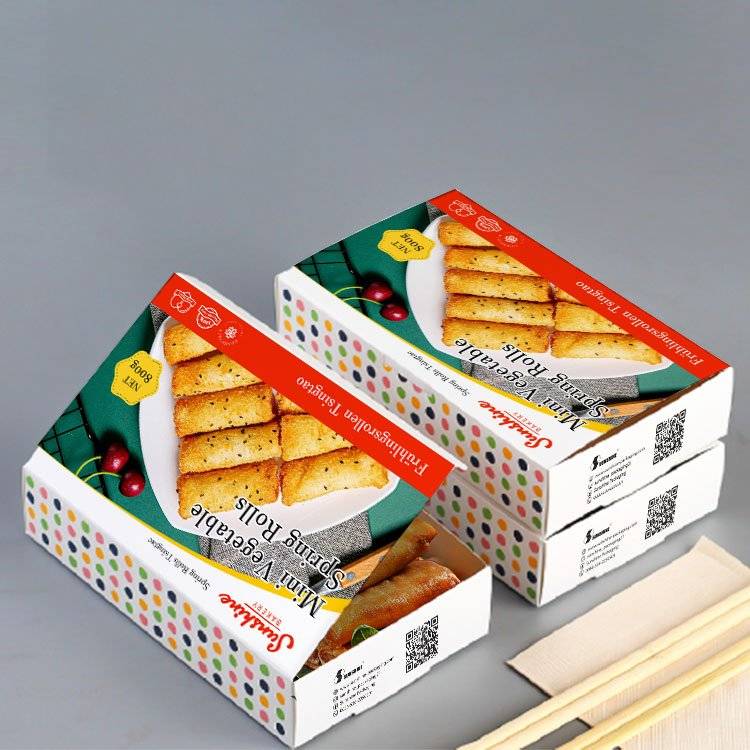
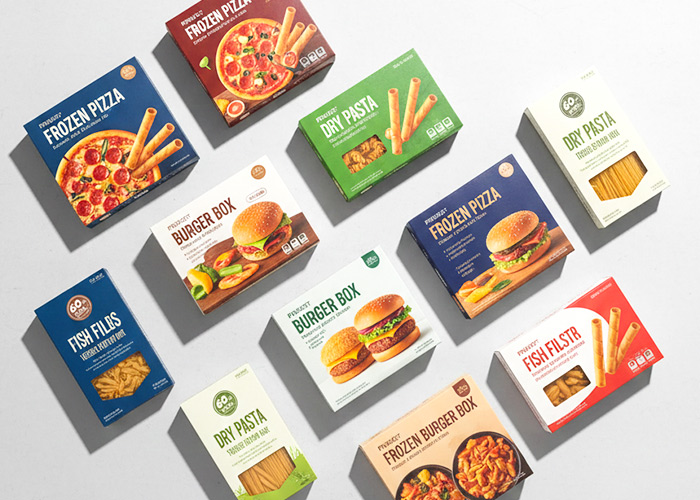
Paperboard frozen food packaging boxes allow high-quality printing, which helps brands display:
- appetizing food photos
- clear cooking instructions
- strong brand identity
This visual advantage is one of the reasons paper packaging is widely used for frozen retail products.
Structural Protection During Transport
Frozen foods are often stacked, transported, and stored in bulk. Properly designed frozen food packaging boxes made from strong paperboard provide good structural protection.
Thicker paperboard (typically 300–400 gsm) helps maintain box shape even during long transportation cycles.
This prevents product damage and keeps shelves looking organized.
Sustainability Advantages
Many retailers and consumers now prefer environmentally responsible packaging solutions.
Compared with plastic packaging, paper packaging for frozen food offers several sustainability benefits:
- recyclable materials
- reduced plastic usage
- easier disposal
- compatibility with FSC-certified paper sources
Because of these benefits, many food brands are gradually replacing plastic packaging with paper-based solutions.
Barrier Requirements for Frozen Food Packaging Boxes
Although paperboard is widely used, frozen foods often require additional protection.
This is where barrier coatings and inner packaging become important.
Moisture-Resistant Coatings
Frozen environments contain high levels of moisture. Standard paperboard alone may absorb moisture and weaken over time.
To solve this problem, many frozen food packaging boxes use protective coatings such as:
- PE coating
- water-based barrier coating
- grease-resistant coating
These coatings help maintain packaging strength and prevent moisture damage.
Inner Plastic Liners or Bags
Some frozen food products also use an inner plastic bag inside the paper box.
This additional layer protects the food from:
- humidity
- freezer burn
- contamination
For example, frozen seafood, dumplings, and vegetables are often packaged using paper outer boxes combined with sealed inner bags.
Common Frozen Food Products Using Paper Packaging
Today, many frozen products rely on paper packaging for frozen food.
Examples include:
- frozen pizza boxes
- frozen ready meal packaging
- frozen fish packaging
- frozen vegetable boxes
- frozen dessert packaging
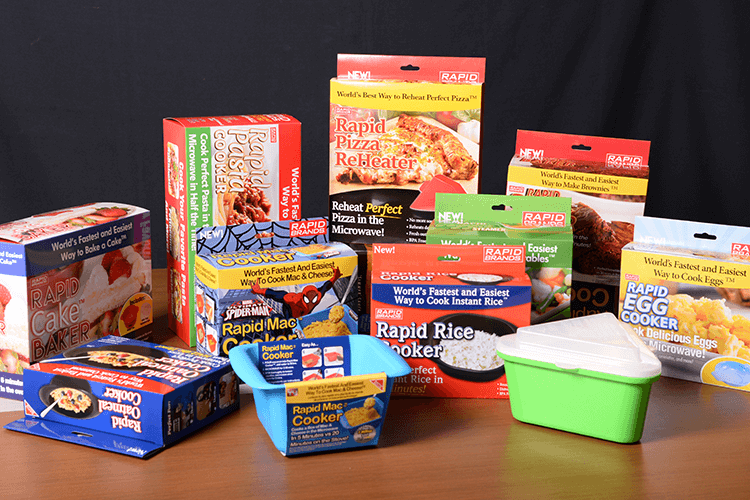
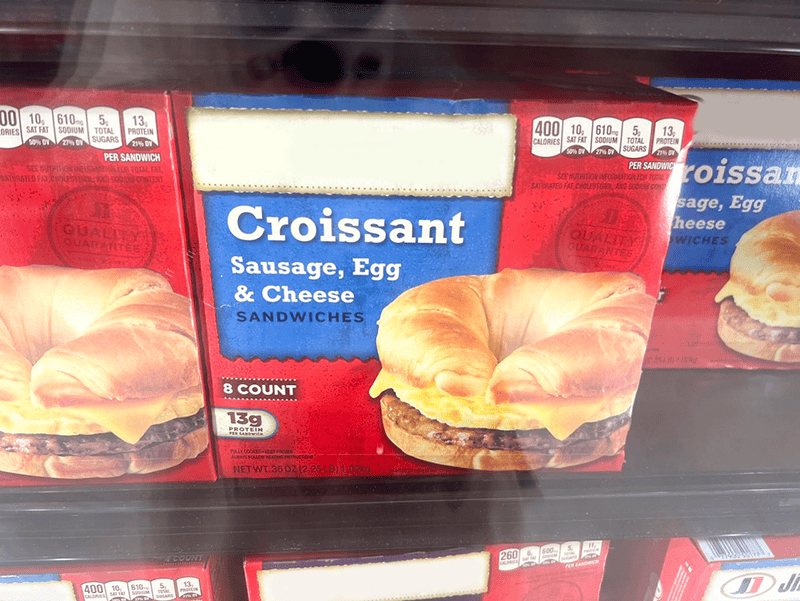
If you look inside a supermarket freezer, you’ll notice that most frozen retail products use paperboard packaging boxes as their outer packaging.
This demonstrates how effective paper packaging can be in cold-chain environments.
Practical Tips When Choosing Frozen Food Packaging Boxes
From a packaging supplier’s perspective, several factors should be considered when selecting frozen food packaging boxes.
Choose the Right Paperboard Thickness
Frozen food boxes usually require thicker paperboard than standard snack boxes.
Stronger materials help maintain structure during freezing, transport, and stacking.
Select Proper Barrier Coatings
Barrier coatings protect the box from moisture and oil migration.
Depending on the food product, manufacturers may recommend different coating options.
Consider Retail Display Needs
Frozen food packaging must remain attractive even in freezer conditions.
Clear branding and high-quality printing help products stand out in crowded freezer aisles.
So, can paper packaging be used for frozen food?
Absolutely. When properly designed, paper packaging for frozen food is one of the most practical and widely used solutions in the food industry.
Most frozen products rely on paperboard frozen food packaging boxes combined with moisture-resistant coatings or inner liners to ensure product protection.
The key is selecting the right materials, coatings, and structural design to match the product requirements.
With the growing demand for sustainable packaging, paper-based frozen food packaging is expected to become even more popular in the years ahead.
For food brands, choosing the right packaging solution helps protect product quality, strengthen brand image, and meet evolving retailer expectations.