What Is the Best Material for Food Packaging Boxes? A Practical Guide for Food Brands
Choosing the best material for food packaging boxes is one of the most important decisions food brands and retailers make. The right material protects food quality, ensures safety, improves shelf presentation, and can even influence purchasing decisions.
But many buyers ask the same question when sourcing packaging:
“What is the best material for food packaging boxes?”
The honest answer is that there isn’t a single material that works for every food product. The best solution depends on several factors such as the type of food, shelf life requirements, transportation conditions, and brand positioning.
In this guide, we’ll walk through the most commonly used materials for food packaging boxes, explain their advantages, and help you choose the best option for your products.
Why the Material of Food Packaging Boxes Matters
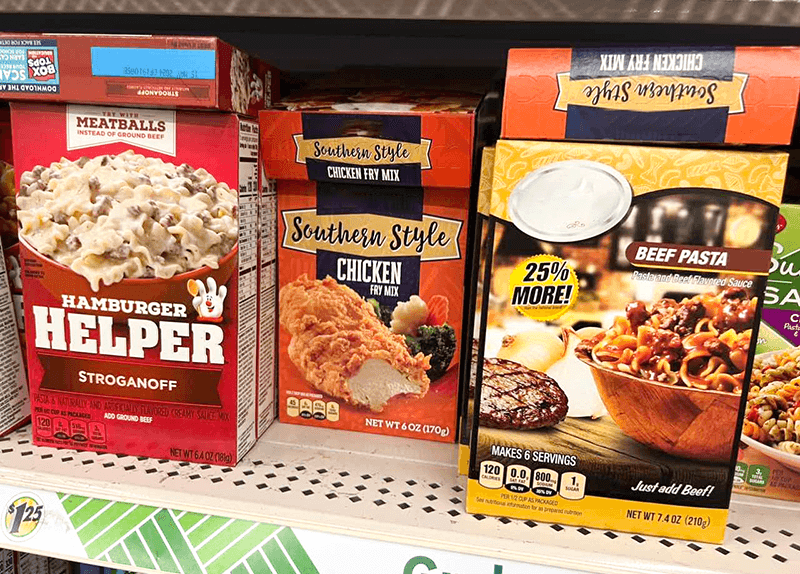
Before choosing the best material for food packaging boxes, it’s important to understand why material selection is so critical.
Food packaging boxes must balance several functions:
- Food safety protection
- Moisture and grease resistance
- Structural strength
- Shelf appeal and branding
- Sustainability requirements
Many food brands discover that packaging material affects more than just protection.
One snack brand owner once shared this with me:
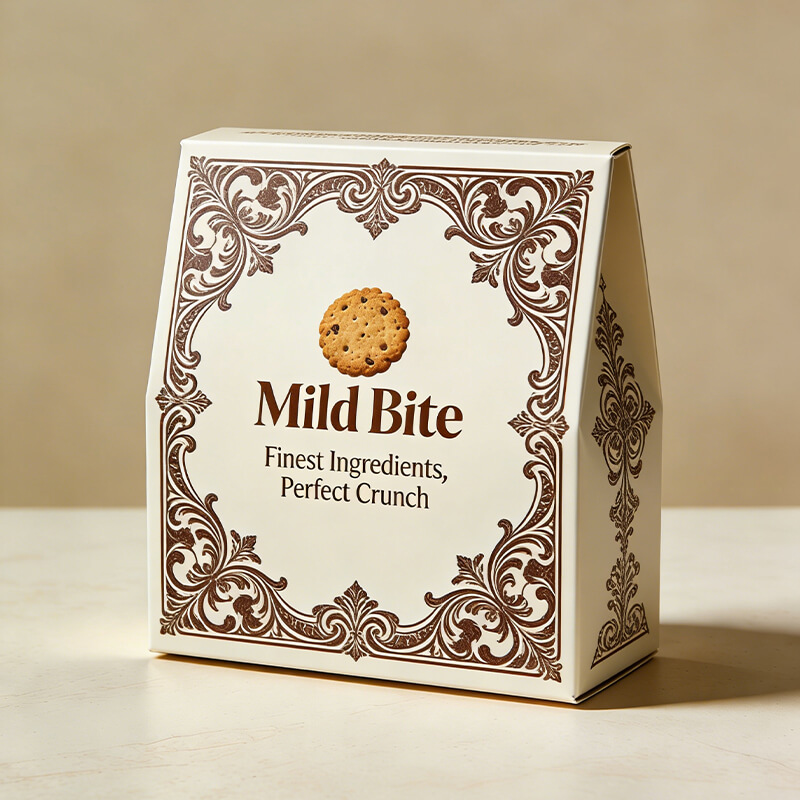
“We switched to higher-quality paperboard packaging boxes, and suddenly our product looked more premium on the shelf. Retail buyers started taking us more seriously.”
Packaging material can influence both product protection and brand perception.
Common Materials Used for Food Packaging Boxes
Let’s look at the most widely used materials for food packaging boxes and when they work best.
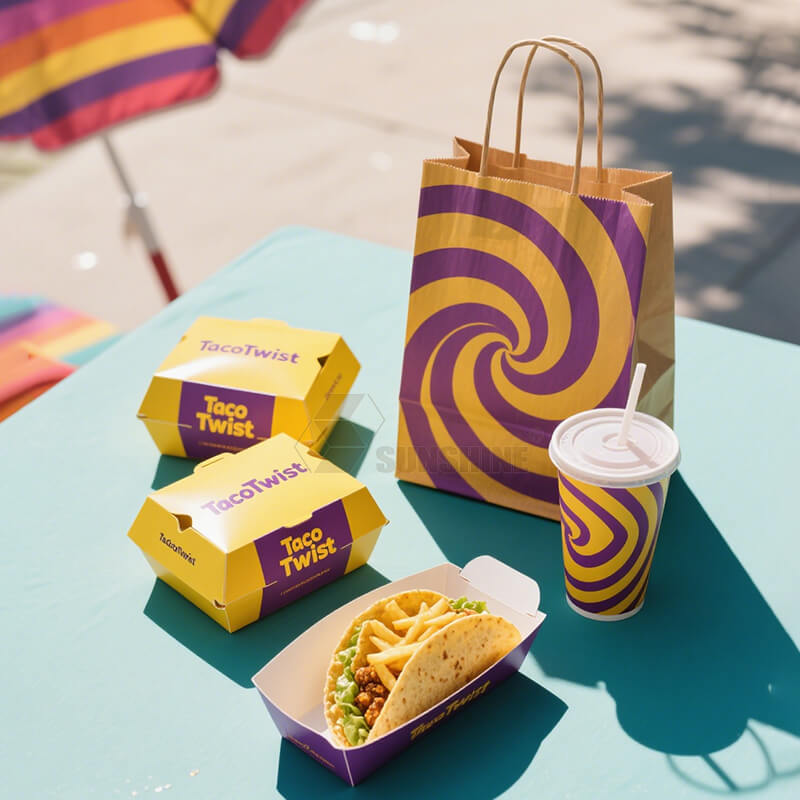
Paperboard – The Most Popular Material for Food Packaging Boxes
Why Paperboard Is Often the Best Material for Food Packaging Boxes
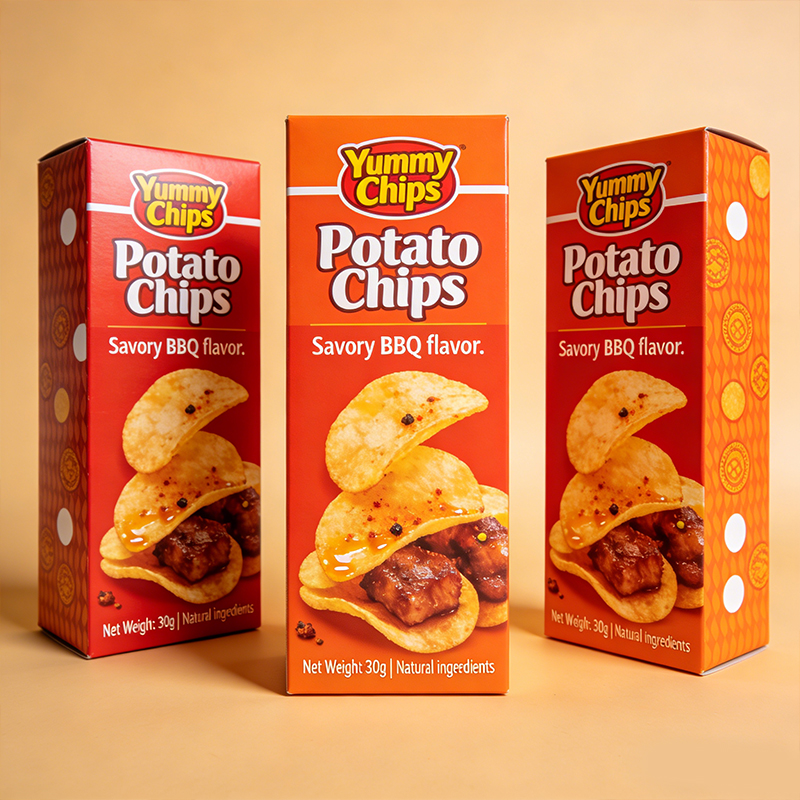
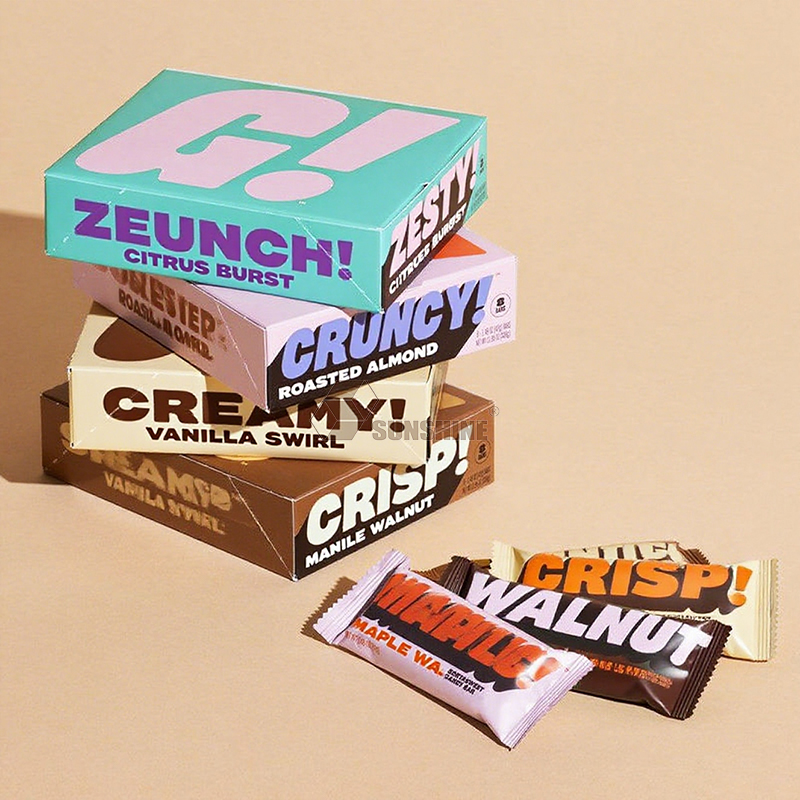
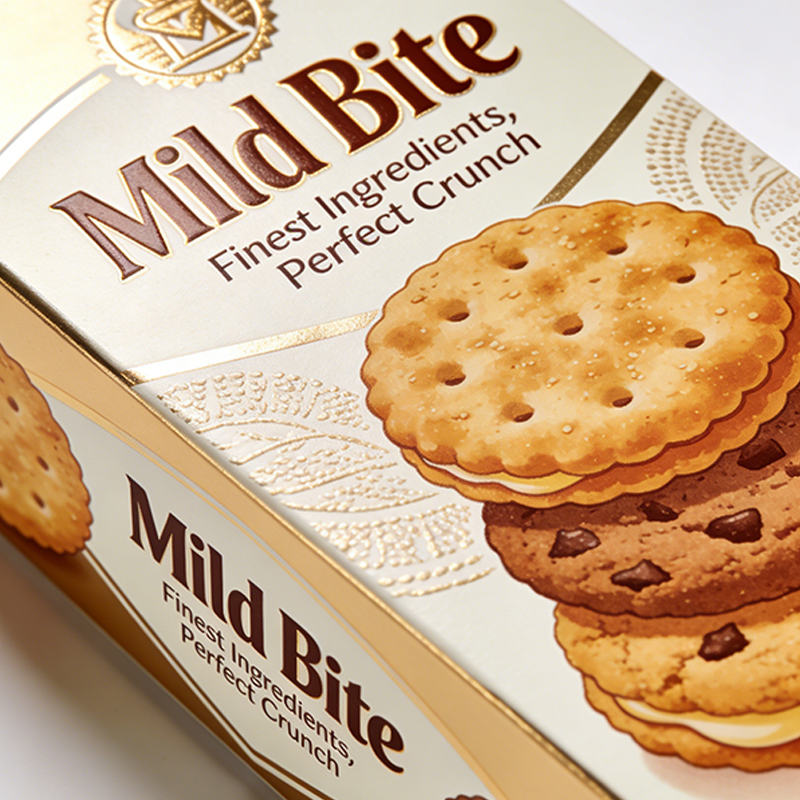
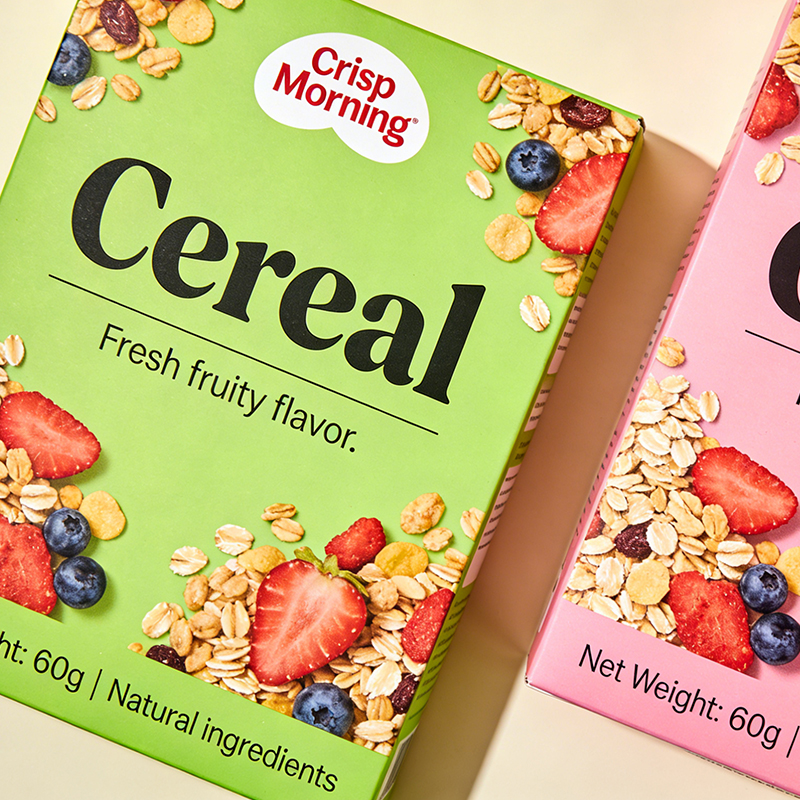
Paperboard is one of the most widely used materials for food packaging boxes across many industries.
It is commonly used for:
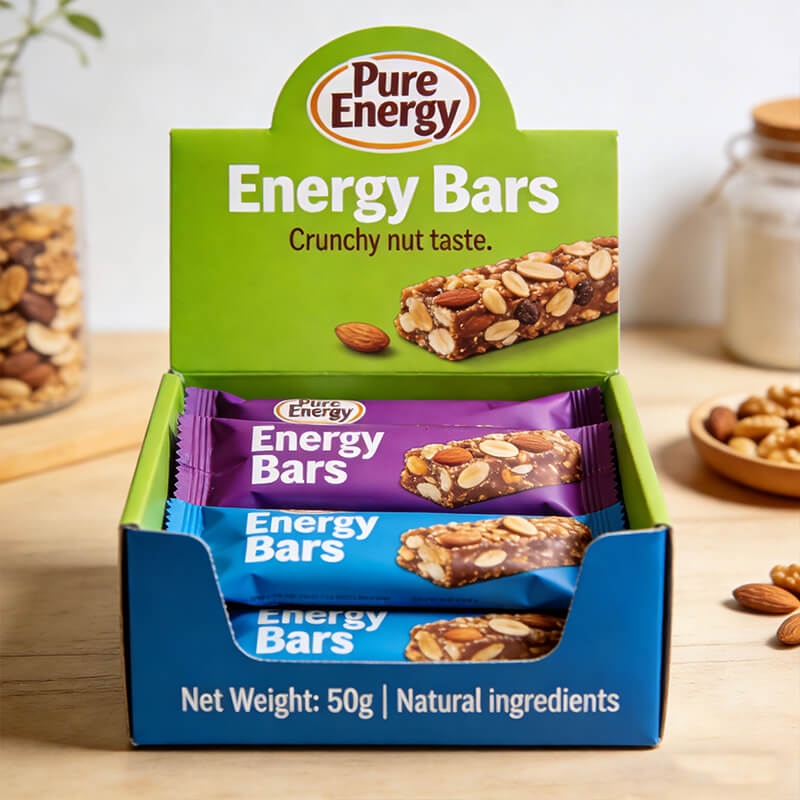
- snack packaging boxes
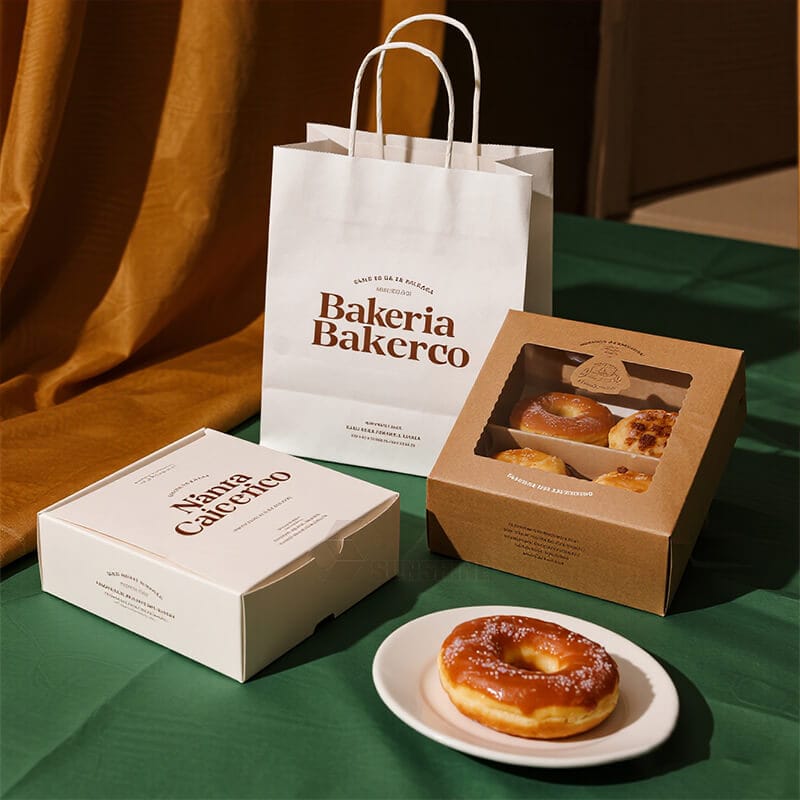
- bakery packaging boxes
- frozen food boxes
- ready meal boxes
Key advantages include:
- excellent printability for branding
- lightweight but strong structure
- recyclable and eco-friendly
- suitable for custom shapes and sizes
Paperboard can also be combined with food-safe coatings to improve moisture and grease resistance.
For many retail food products, paperboard is often considered the best material for food packaging boxes because it balances cost, sustainability, and visual appeal.
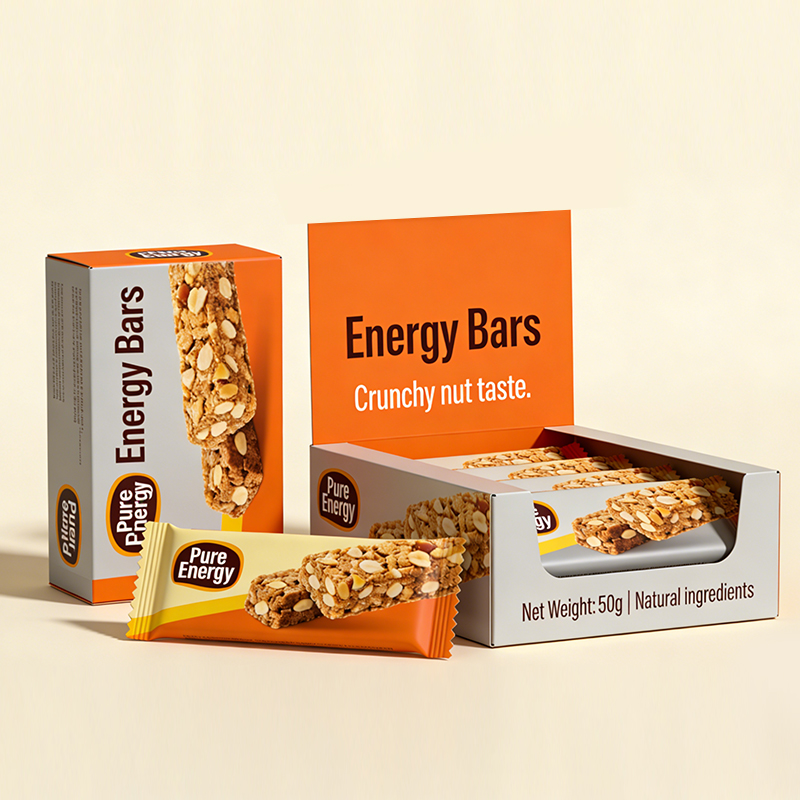
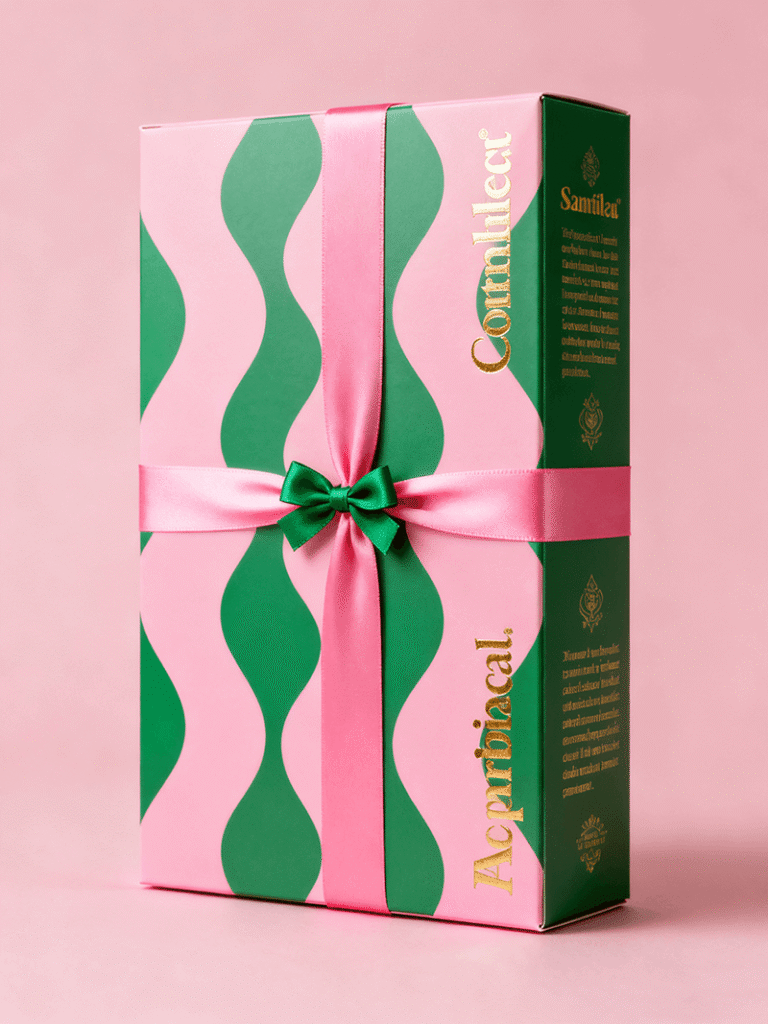
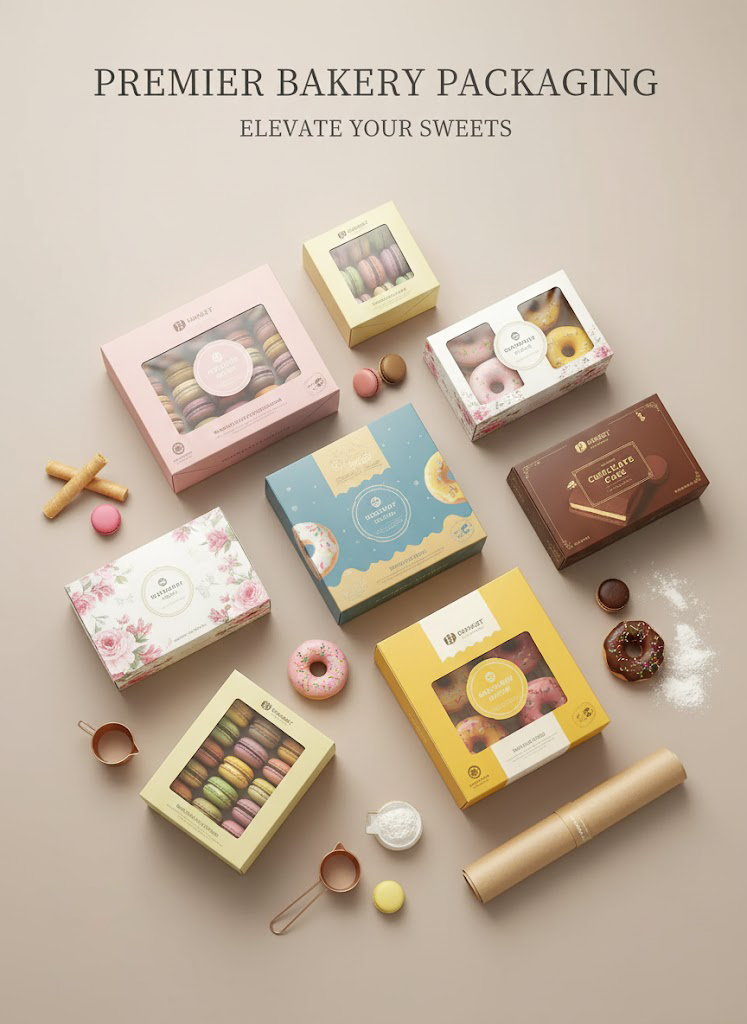
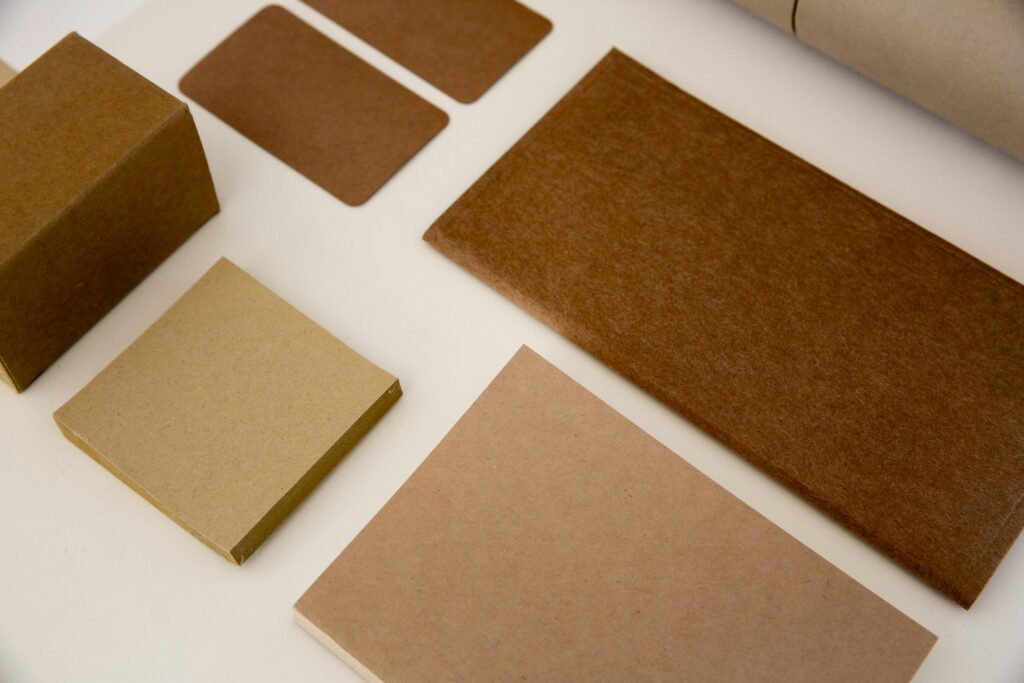
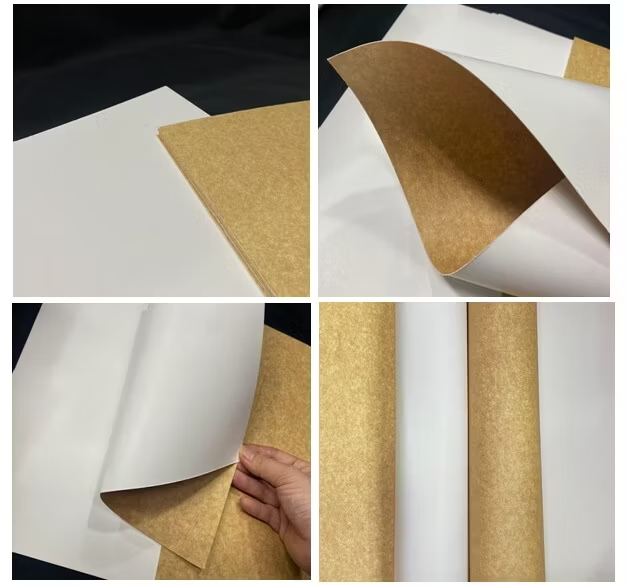
Kraft Paper – Eco-Friendly Food Packaging Boxes
Kraft paper packaging has become increasingly popular as sustainability becomes a priority for brands and retailers.
Many companies choose kraft materials for:
- organic food packaging
- natural snack brands
- eco-friendly bakery packaging
Benefits include:
- natural appearance that communicates sustainability
- recyclable and biodegradable
- strong fiber structure
Consumers often associate kraft packaging with healthy or environmentally responsible products, which can strengthen brand image.
Corrugated Board – Strong Protection for Shipping
When food packaging boxes need extra durability, corrugated board is often the best material.
Corrugated packaging is commonly used for:
- food shipping boxes
- bulk snack packaging
- subscription food boxes
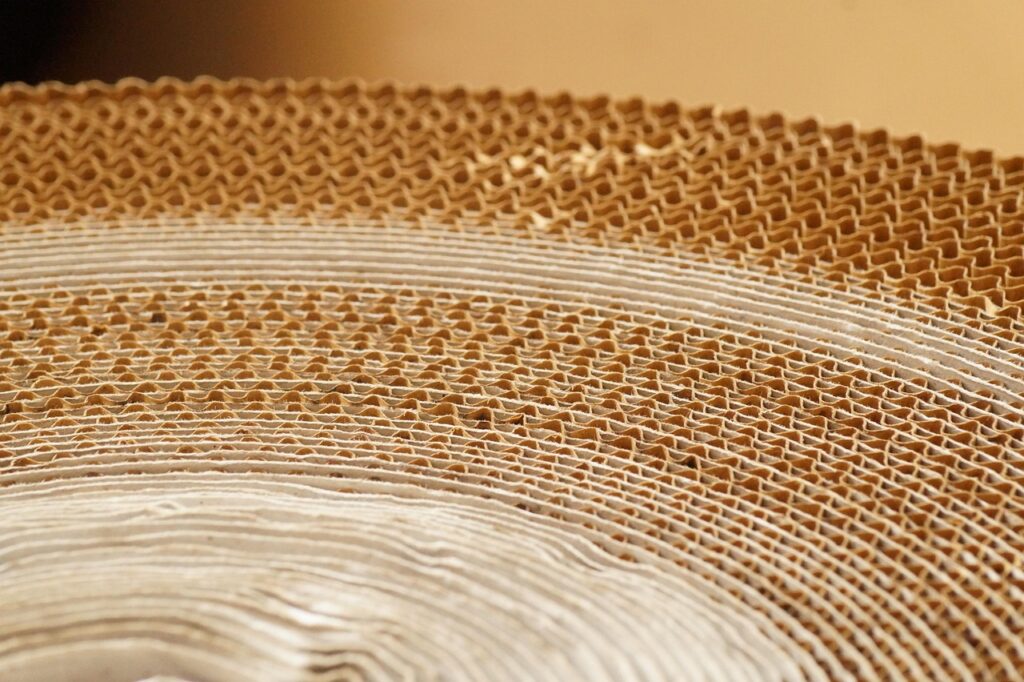
Its layered structure provides:
- excellent strength and cushioning
- protection during transport
- stacking stability in warehouses
Many brands use corrugated outer boxes combined with paperboard inner packaging to protect products during shipping.
Coated Paperboard – Ideal for Greasy or Moist Foods
Some food products require extra protection against grease or moisture.
Examples include:
- fried foods
- baked goods
- ready-to-eat meals
In these cases, coated paperboard food packaging boxes are often the best option.
Common coatings include:
- PE coating
- water-based coating
- grease-resistant barrier coatings
These coatings help maintain packaging integrity while keeping food safe.
How to Choose the Best Material for Food Packaging Boxes
When evaluating materials for food packaging boxes, consider the following practical factors.
Type of Food Product
Different foods require different levels of protection.
For example:
- dry snacks → standard paperboard packaging
- oily foods → grease-resistant coated paperboard
- frozen meals → moisture-resistant packaging
Choosing the right barrier level ensures the product remains fresh.
Shelf Life Requirements
Long shelf-life products often require packaging that protects against:
- oxygen
- moisture
- light exposure
Barrier coatings or laminated materials may be necessary depending on the product.
Retail vs Transportation Needs
Retail packaging should focus on visual appeal, while transportation packaging should prioritize strength and durability.
Many brands combine both solutions:
- printed retail packaging boxes
- protective outer corrugated cartons
Sustainability Goals
Sustainability is now a major consideration for retailers and consumers.
Many food brands prefer:
- recyclable paper packaging
- FSC-certified paperboard
- reduced plastic packaging
Eco-friendly packaging materials can strengthen brand reputation and help meet retailer requirements.
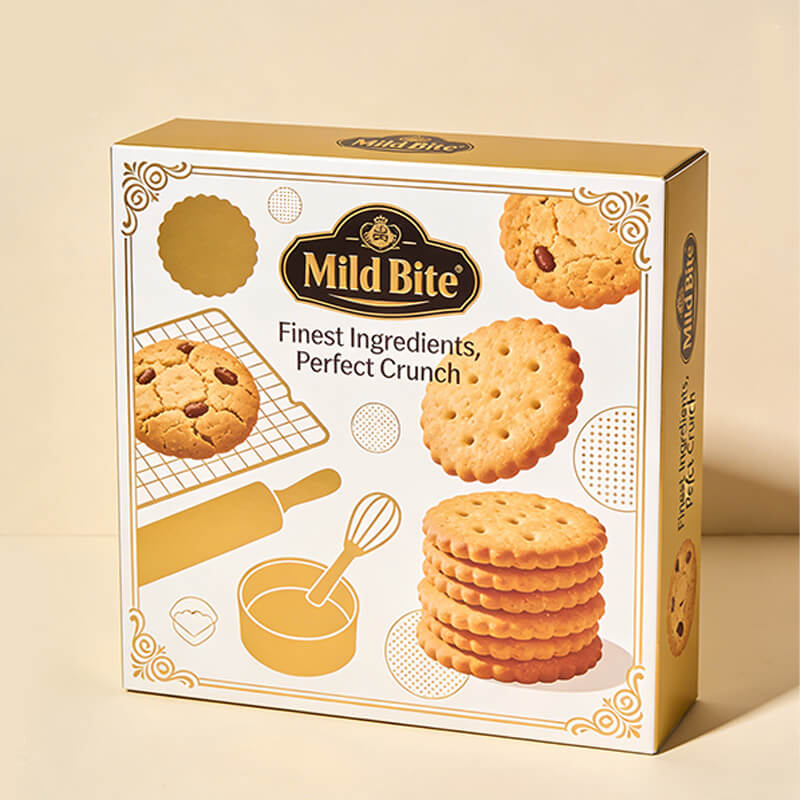
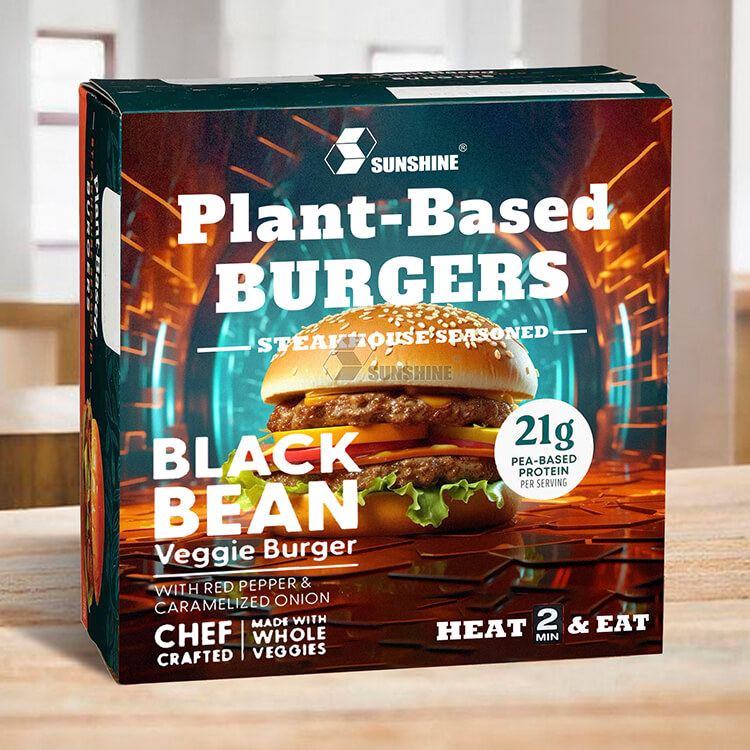
Practical Advice from Food Packaging Buyers
Over the years, many food brands have learned valuable lessons when selecting materials for food packaging boxes.
Here are some practical insights:
1. Test packaging samples before large orders
Always check structural strength, printing quality, and barrier performance.
2. Consider the full supply chain
Packaging should protect products during manufacturing, transportation, and retail display.
3. Balance cost with product positioning
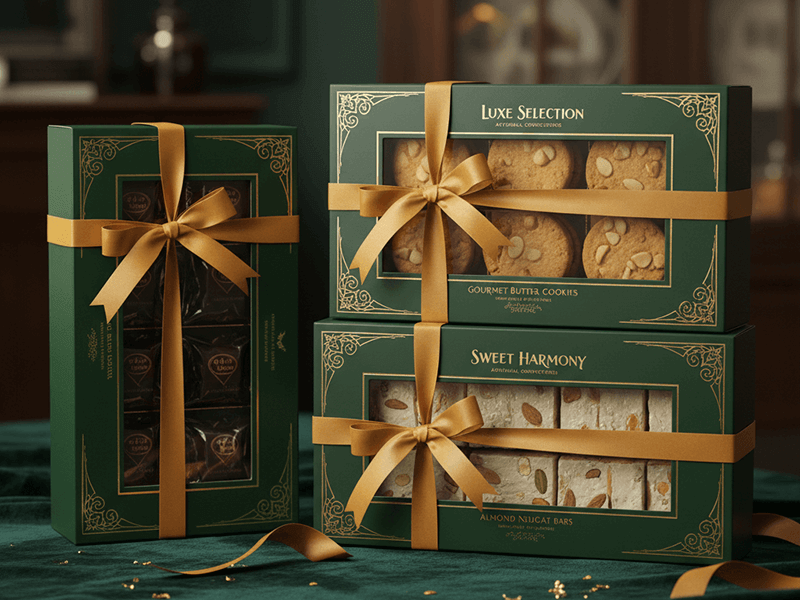
Premium foods often benefit from higher-quality packaging materials that enhance brand perception.
So, what is the best material for food packaging boxes?
For most food brands, the answer depends on the product requirements. However, the most commonly used and practical materials include:
- paperboard for retail food packaging
- kraft paper for eco-friendly branding
- corrugated board for transport protection
- coated paperboard for oily or moist foods
By selecting the right material for your food packaging boxes, you protect product quality, improve shelf presentation, and create a stronger brand experience for customers.
In the competitive food market, packaging is not just a container—it’s a powerful marketing tool.