When customers pick up a food product from a shelf, they usually notice the packaging before they notice the product itself. The colors, graphics, logo, and overall print quality all influence purchasing decisions within seconds.
For food brands, packaging printing is much more than decoration. It helps communicate product information, build brand recognition, meet regulatory requirements, and create a professional appearance that retailers and consumers trust.
If you’re planning a new food packaging project, understanding the available printing methods can help you choose the right balance of quality, cost, lead time, and production volume.
This guide explains the most common printing options used for food packaging boxes, their advantages, limitations, and the types of products they work best for.
Why Printing Matters in Food Packaging
Good printing does much more than make a box look attractive.
It helps brands:
- Build shelf appeal
- Increase product recognition
- Communicate ingredients and nutrition facts
- Display regulatory information
- Differentiate products from competitors
- Create a premium customer experience
For many food brands, packaging is one of the most cost-effective marketing tools available.
Types of Printing Available for Food Packaging Boxes
Several printing methods are commonly used in the packaging industry. Each has its own strengths depending on order quantity, artwork complexity, and budget.
Offset Printing (Lithographic Printing)
Offset printing is one of the most widely used methods for premium food packaging.
Best For:
- Snack boxes
- Cookie boxes
- Chocolate packaging
- Granola bar boxes
- Frozen food cartons
- Retail food packaging
Advantages
- Excellent color accuracy
- Sharp images and text
- Consistent print quality
- Supports Pantone color matching
- Ideal for high-end packaging
Considerations
- Higher setup cost
- More economical for medium and large production runs
If your brand relies heavily on visual appeal and color consistency, offset printing is often the preferred choice.
Flexographic Printing (Flexo Printing)
Flexographic printing uses flexible printing plates and is commonly used for large-volume packaging production.
Best For:
- Corrugated shipping boxes
- Food delivery packaging
- Fast food packaging
- High-volume retail cartons
Advantages
- Fast production speed
- Lower cost for large quantities
- Suitable for various materials
- Efficient for long production runs
Considerations
- Lower image detail compared to offset printing
- Fine graphics may not appear as sharp
For large-scale food packaging projects, flexographic printing is often the most cost-effective solution.
Digital Printing
Digital printing has become increasingly popular, especially among startups and growing food brands.
Best For:
- New product launches
- Small production runs
- Seasonal packaging
- Market testing
- Limited edition packaging
Advantages
- No printing plates required
- Fast setup
- Excellent for short runs
- Easy artwork changes
- Quick turnaround times
Considerations
- Higher unit cost for large quantities
- Slight color variation may occur between runs
Many new food brands choose digital printing because it allows them to test packaging designs before committing to large orders.
UV Printing
UV printing uses ultraviolet light to instantly cure inks during the printing process.
Best For:
- Premium food packaging
- Gift boxes
- Luxury confectionery packaging
- Specialty food products
Advantages
- Vibrant colors
- High durability
- Scratch-resistant surface
- Premium visual appearance
Considerations
- Higher production cost
- Not always necessary for everyday food packaging
UV printing is commonly combined with offset printing to create premium packaging effects.
Screen Printing
Screen printing applies ink through a mesh screen directly onto the packaging surface.
Best For:
- Specialty packaging
- Luxury products
- Small-volume premium projects
Advantages
- Thick, vibrant ink coverage
- Unique visual effects
- Excellent for metallic and specialty inks
Considerations
- Slower production
- Less economical for large runs
Screen printing is often used for decorative elements rather than complete packaging artwork.
Gravure Printing
Gravure printing is typically used for extremely high-volume packaging production.
Best For:
- Large food brands
- Flexible packaging
- Long-term packaging programs
Advantages
- Exceptional image quality
- Extremely consistent results
- Ideal for millions of units
Considerations
- Very high setup cost
- Not suitable for small or medium runs
Most small and medium food brands do not require gravure printing unless production volumes are extremely large.
Common Printing Effects for Food Packaging
Beyond the printing method itself, brands can add special finishing effects to enhance shelf appeal.
Spot UV
Creates glossy highlights on selected areas such as:
- Logos
- Product names
- Graphics
This creates contrast and attracts attention.
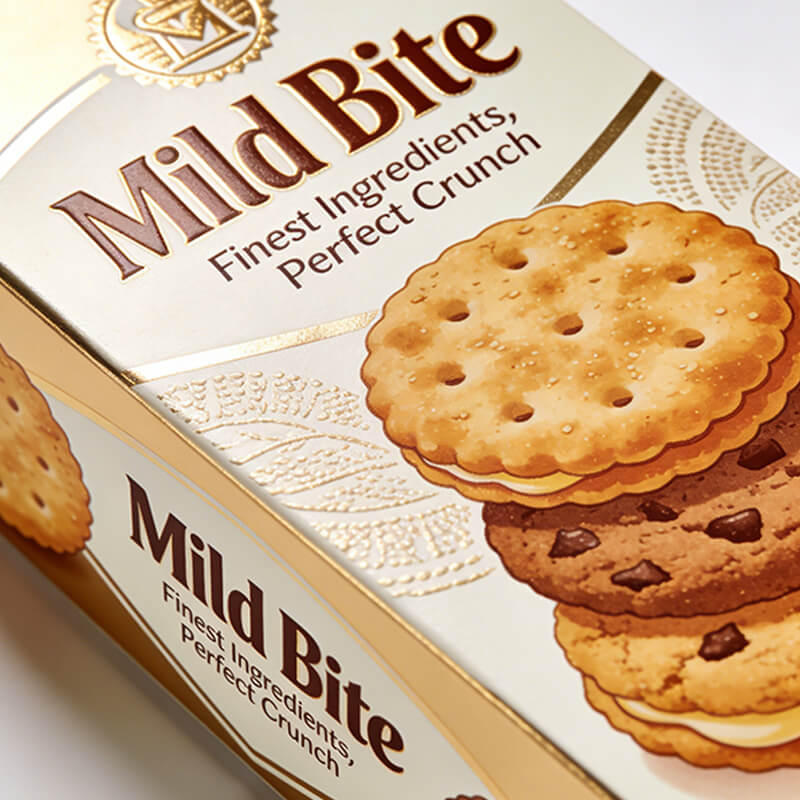
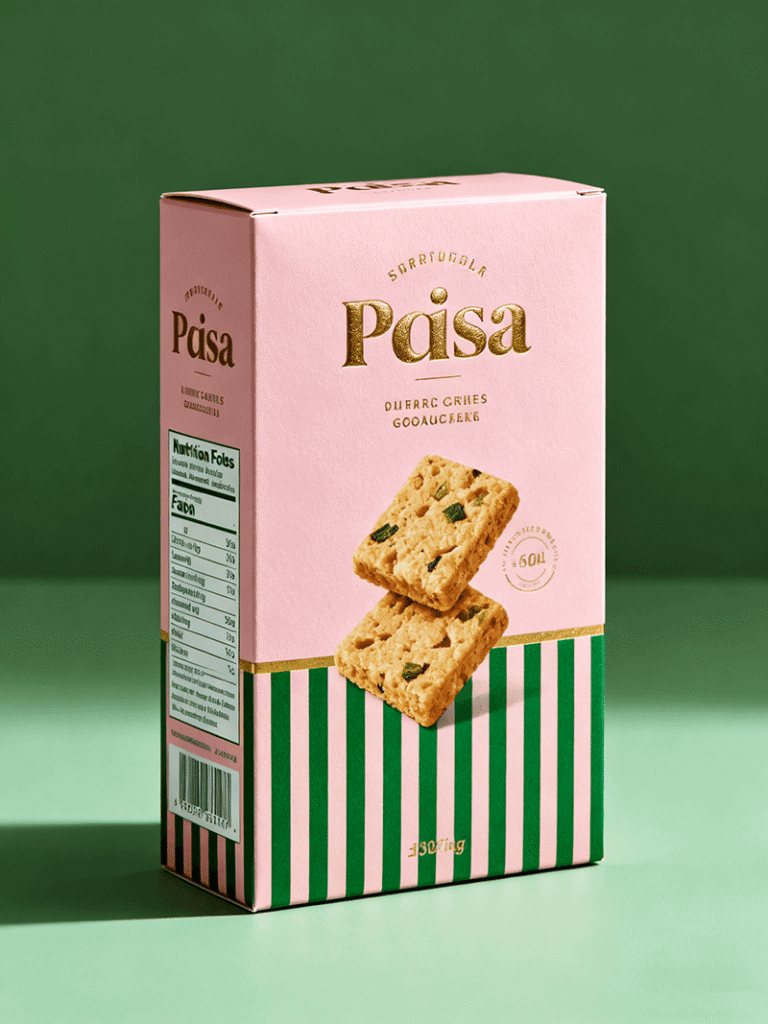
Foil Stamping
Applies metallic foil to the packaging surface.
Popular colors include:
- Gold
- Silver
- Rose gold
- Holographic foil
Frequently used for chocolates, premium snacks, and gift packaging.
Embossing & Debossing
Creates raised or recessed designs.
Ideal for:
- Brand logos
- Luxury food packaging
- Premium bakery products
These effects add texture and perceived value.
Soft-Touch Finish
Creates a velvet-like surface.
Often used for:
- Premium chocolate packaging
- Luxury confectionery
- High-end gift boxes
The tactile experience can significantly improve customer perception.
Food Safety Considerations for Packaging Printing
Food packaging printing requires special attention to safety.
Always confirm that your packaging supplier uses:
- Food-safe inks
- Low-migration inks when required
- Food-contact compliant coatings
- FDA-compliant materials for the U.S. market
- EU-compliant materials for European markets
For direct food-contact applications, additional material requirements may apply.
How to Choose the Right Printing Method
The best printing method depends on your project goals.
| Situation | Recommended Printing Method |
|---|---|
| Startup launching a new product | Digital Printing |
| Premium retail food packaging | Offset Printing |
| Large-volume production | Flexographic Printing |
| Luxury packaging | Offset + UV + Foil Stamping |
| Seasonal packaging | Digital Printing |
| Shipping cartons | Flexographic Printing |
A packaging supplier can help determine the most cost-effective option based on your artwork, quantity, and budget.
Questions to Ask Your Packaging Supplier
Before placing an order, ask:
Can you match Pantone colors?
Important for maintaining brand consistency.
What is the minimum order quantity?
Different printing methods have different MOQ requirements.
Can you provide printed samples?
A printed sample helps verify:
- Color accuracy
- Graphic quality
- Material selection
- Finishing effects
Which printing method offers the best value?
The most expensive option isn’t always the best choice.
An experienced supplier should recommend the solution that fits your goals and budget.
If you’re creating food packaging for a new product or refreshing an existing brand, printing deserves just as much attention as the box structure itself.
A well-designed package with high-quality printing can help your product stand out on crowded shelves, build trust with consumers, and reinforce your brand every time someone picks it up.
In most cases, we find that offset printing offers the best balance of quality and value for retail food packaging, while digital printing is an excellent option for startups and short runs. For large-volume projects, flexographic printing often delivers the most economical solution.
The good news is that today’s printing technologies offer more flexibility than ever. Whether you need a simple snack box or a premium chocolate gift box, there’s a printing solution that fits your product, budget, and brand goals.