What Is Shelf-Ready Packaging in Retail Food Packaging?
Shelf-ready packaging (SRP) refers to packaging designed so that products can be placed directly onto retail shelves without additional unpacking or rearranging.
In simple terms, it means the outer packaging used for shipping can also function as a display unit in stores.
Instead of store staff opening cartons and placing products individually on shelves, they simply:
- Open the perforated box
- Remove the top lid
- Place the remaining tray directly on the shelf
The products are instantly ready for sale.
That’s why it’s called shelf-ready packaging.
Many supermarkets today—including large grocery chains—prefer suppliers that provide retail food packaging designed for shelf display, because it saves time and improves store efficiency.
Why Shelf-Ready Packaging Is Popular in Retail Food
Over the past decade, shelf-ready packaging has become increasingly common in supermarkets and convenience stores.
Retail buyers often prefer this type of retail food packaging for several reasons.
1. Faster Shelf Restocking
One supermarket manager explained it very clearly:
“If we receive products in shelf-ready packaging, our staff can stock an entire section in seconds instead of minutes.”
Instead of opening multiple boxes and arranging products individually, staff can simply place the display tray directly on the shelf.
This reduces labor time significantly.
2. Better Shelf Presentation
Good shelf-ready packaging also improves how products appear on the shelf.
A well-designed display box can:
- Keep products aligned neatly
- Show branding clearly
- Increase product visibility
In crowded snack aisles, even small improvements in packaging visibility can influence customer purchases.
3. Improved Supply Chain Efficiency
Retailers and distributors appreciate packaging that works well throughout the supply chain.
Shelf-ready packaging helps by:
- simplifying warehouse handling
- reducing repacking work
- improving logistics efficiency
For food brands selling through multiple retail channels, this can make a big difference.
Common Types of Shelf-Ready Packaging for Food
Many food products use shelf-ready packaging, especially in snack and dry food categories.
Some common examples include:
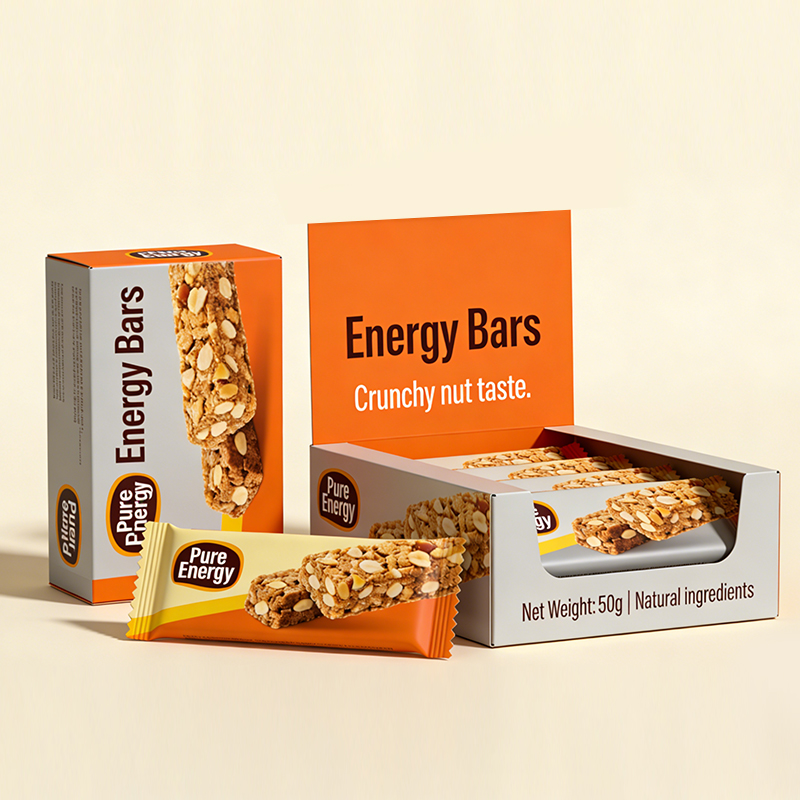
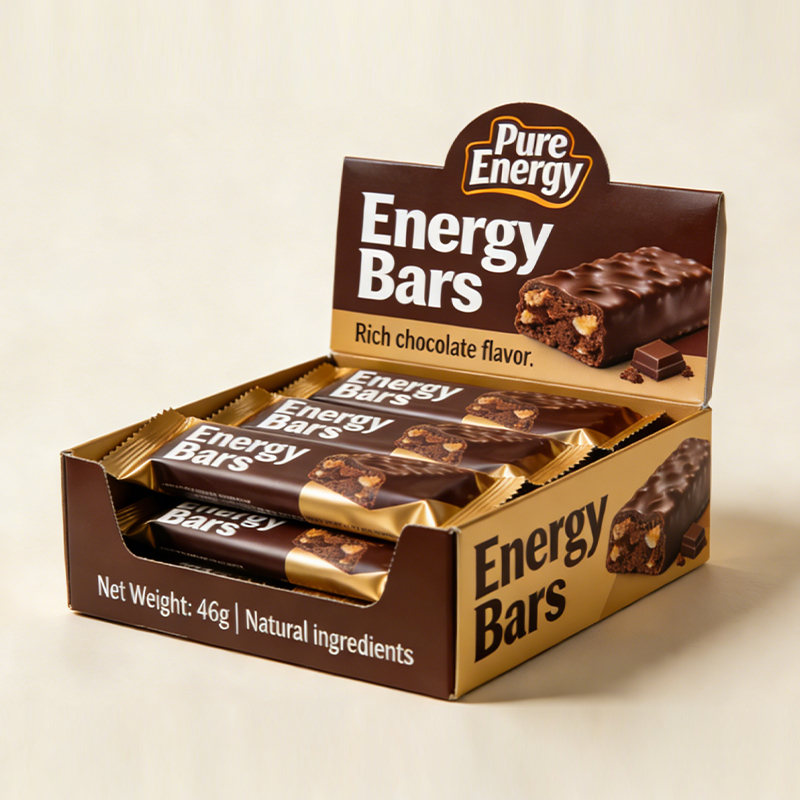
Display Tray Boxes
These are one of the most common forms of shelf-ready packaging.
A perforated lid can be removed easily, leaving a tray that holds products upright.
Often used for:
- granola bars
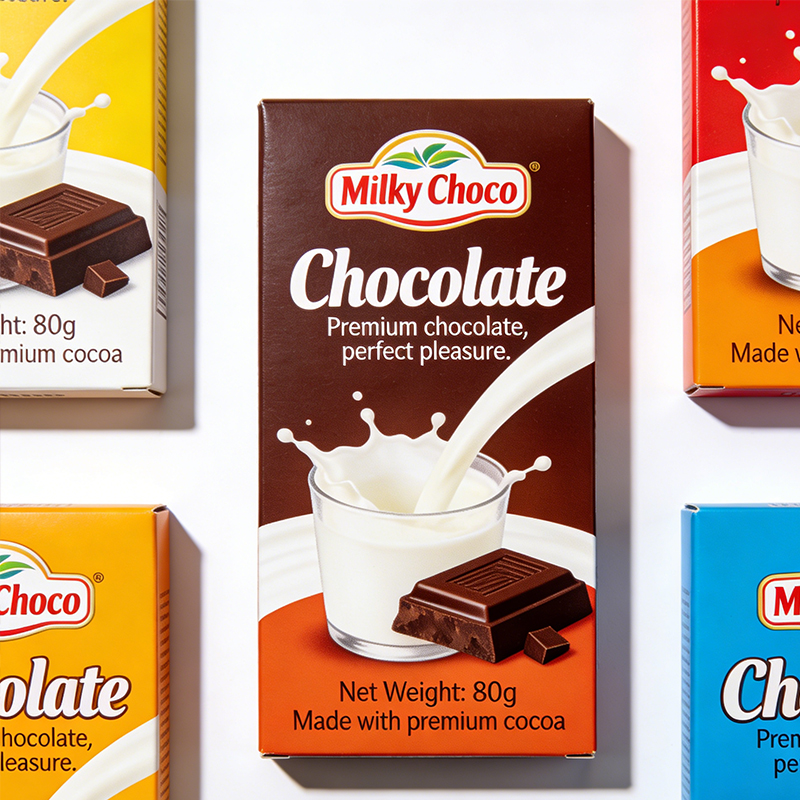
- chocolate bars
- protein snacks
- candy products
Perforated Shipping Cartons
Some retail food packaging designs use perforated outer cartons.
Retail staff simply tear along the perforation line to transform the shipping box into a display unit.
This design is widely used for:
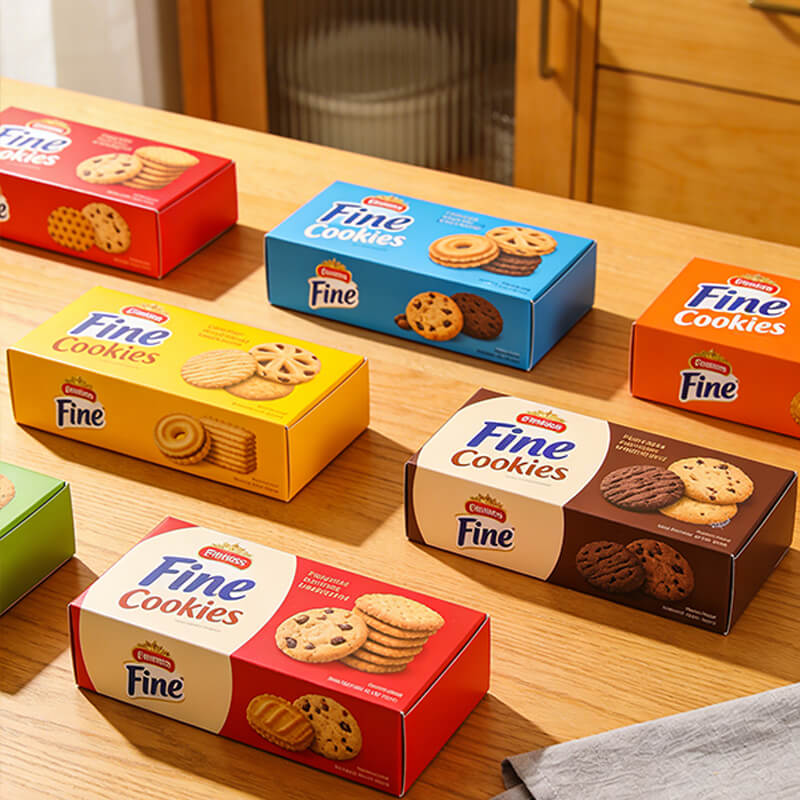
- cookies
- biscuits
- snack packs
- small cereal boxes
Shelf Display Boxes
These boxes are specifically designed for counter displays or shelf placement.
They often feature:
- angled front panels
- strong branding
- easy product access
They are popular for impulse purchase snacks.
Key Features of Good Shelf-Ready Packaging
Not all packaging works well as shelf-ready packaging. Successful designs usually include several important features.
Easy Opening
Retail staff should be able to open the packaging quickly without tools.
Perforated tear lines or easy-open lids are commonly used.
Strong Structure
Because the packaging serves both shipping and display purposes, it must be strong enough to withstand transportation.
This is why sturdy paperboard folding cartons are widely used.
Clear Branding
Shelf-ready packaging should also function as a mini advertisement on the shelf.
Good printing and design help:
- reinforce brand identity
- attract customer attention
- communicate product benefits
Efficient Shelf Space Usage
Supermarkets carefully manage shelf space.
Well-designed retail food packaging maximizes product quantity while maintaining a clean display.
Products That Often Use Shelf-Ready Packaging
Shelf-ready packaging is especially common in high-volume retail food categories, including:
- biscuits and cookies
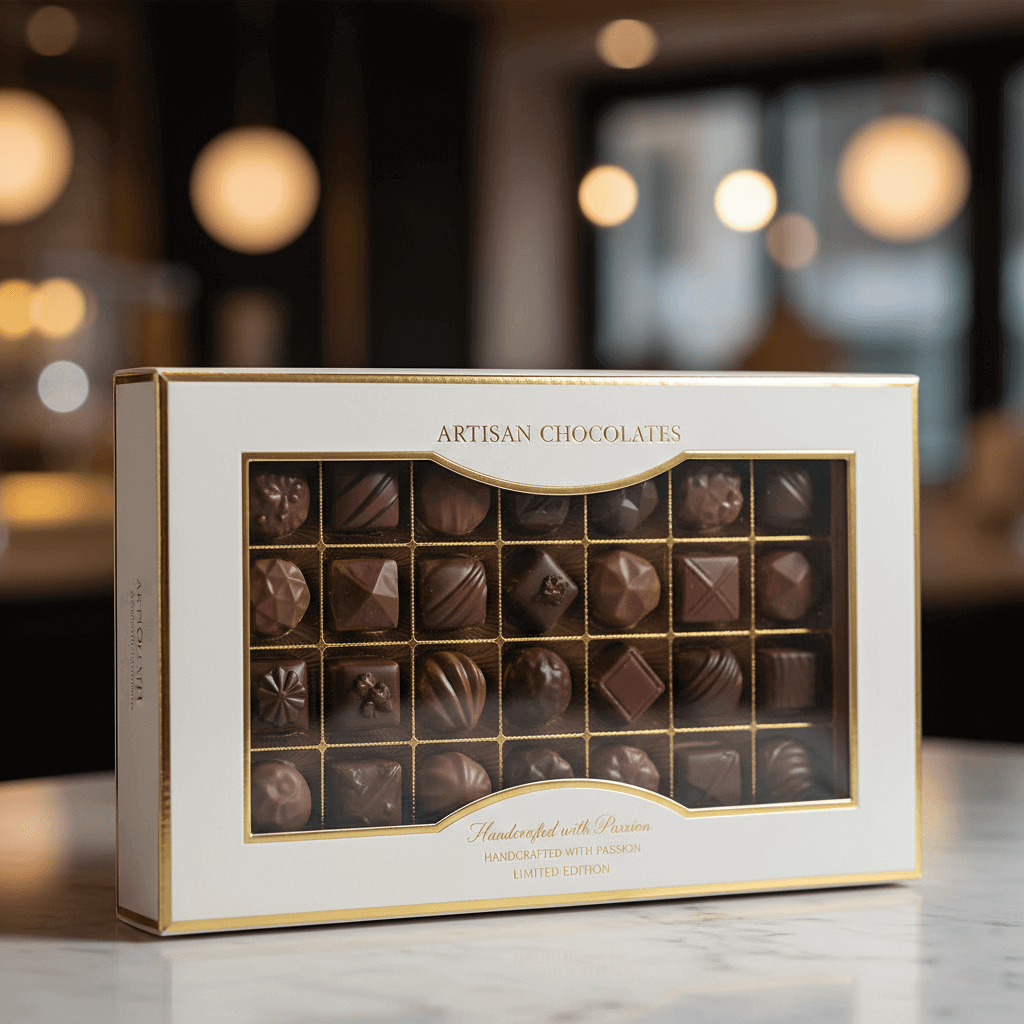
- chocolate and candy
- granola bars and energy bars
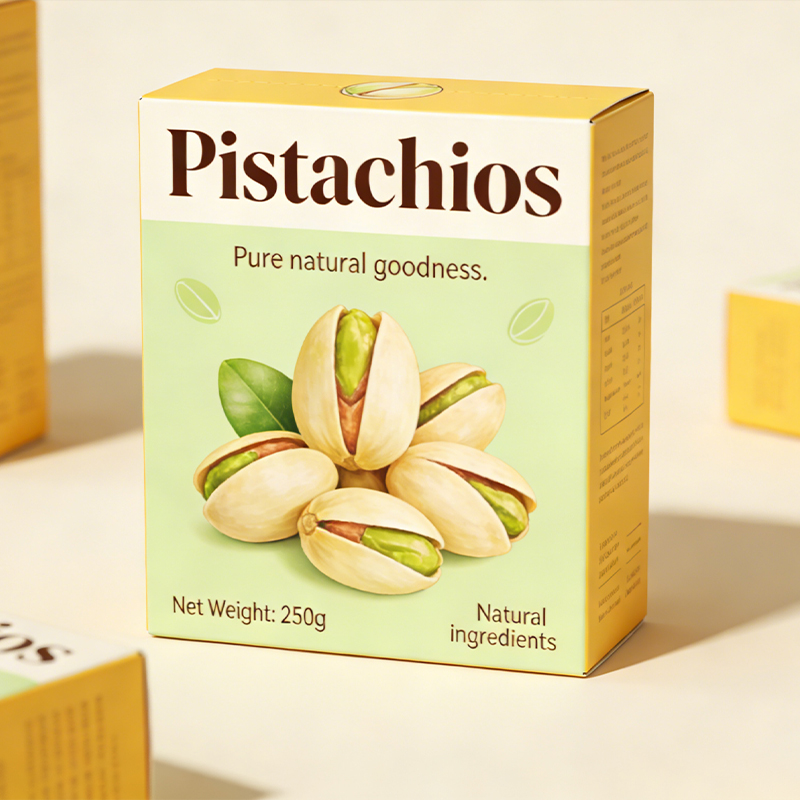
- nuts and dried fruits
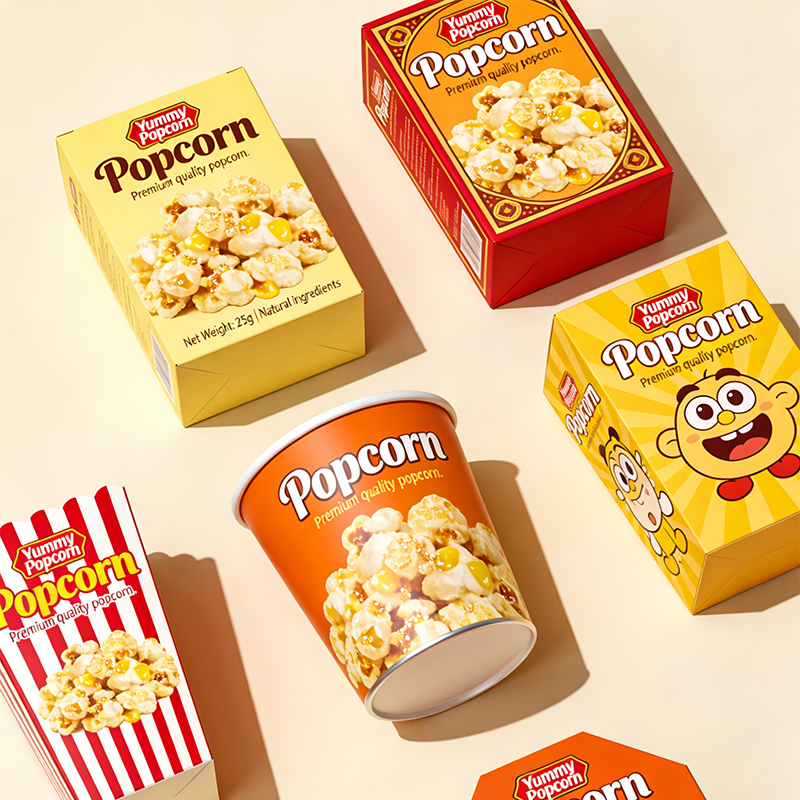
- snack packs
- small cereal products
These products sell quickly and require frequent restocking, making shelf-ready packaging extremely practical.
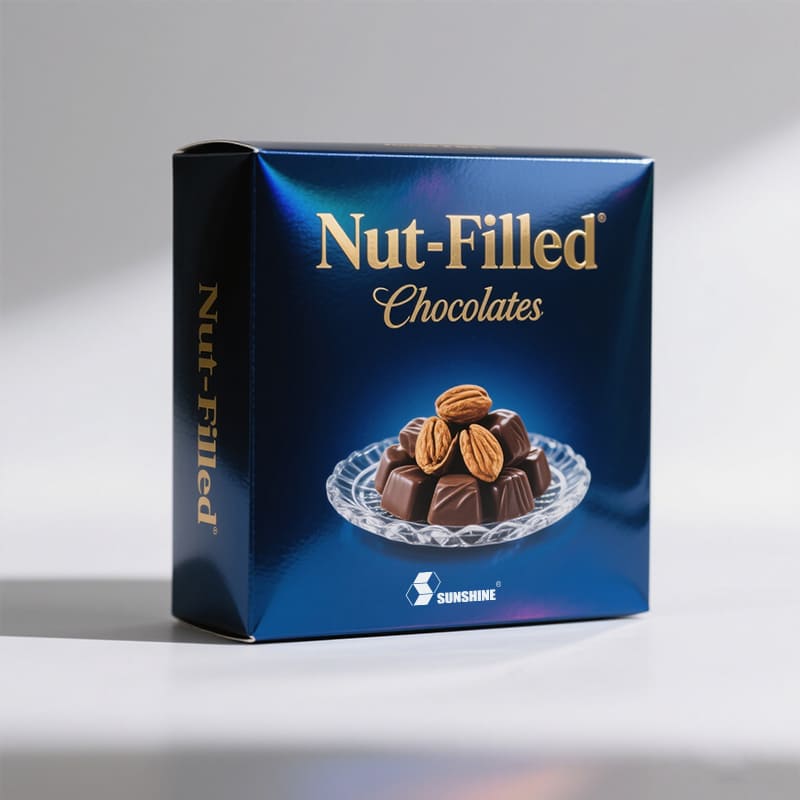
Why Food Brands Should Consider Shelf-Ready Packaging
For food brands, adopting shelf-ready packaging offers several strategic advantages.
Better Retail Relationships
Retailers prefer suppliers who make their operations easier.
Providing retail food packaging designed for shelf display can strengthen relationships with supermarket buyers.
Increased Product Visibility
Packaging that displays well on shelves often results in higher consumer attention.
In crowded snack aisles, this can influence purchasing decisions.
Reduced Handling Damage
Because products remain in the display tray, they are less likely to be damaged during stocking.
This helps maintain product presentation and brand image.
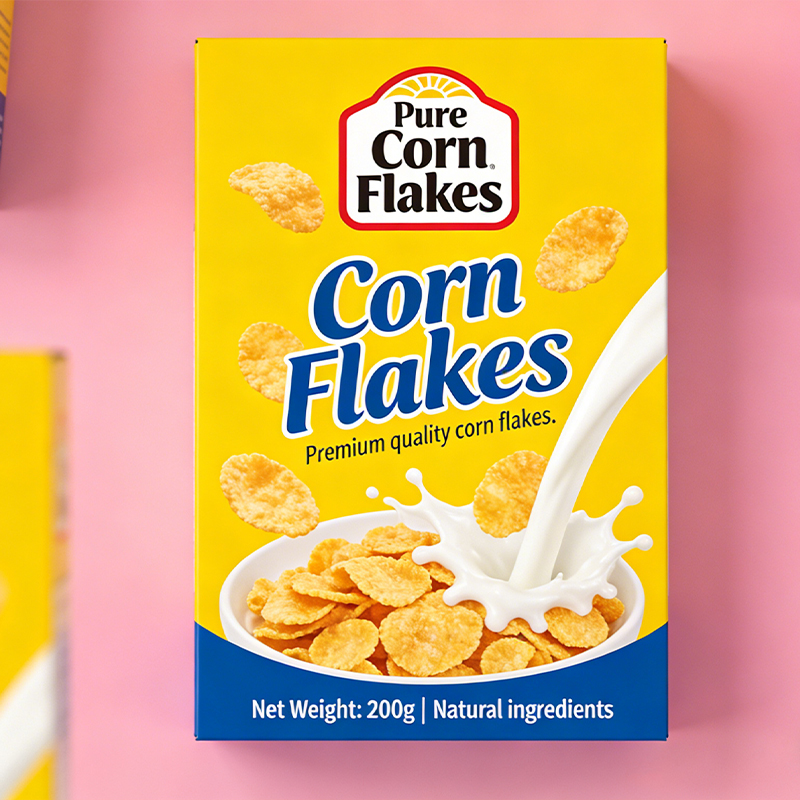
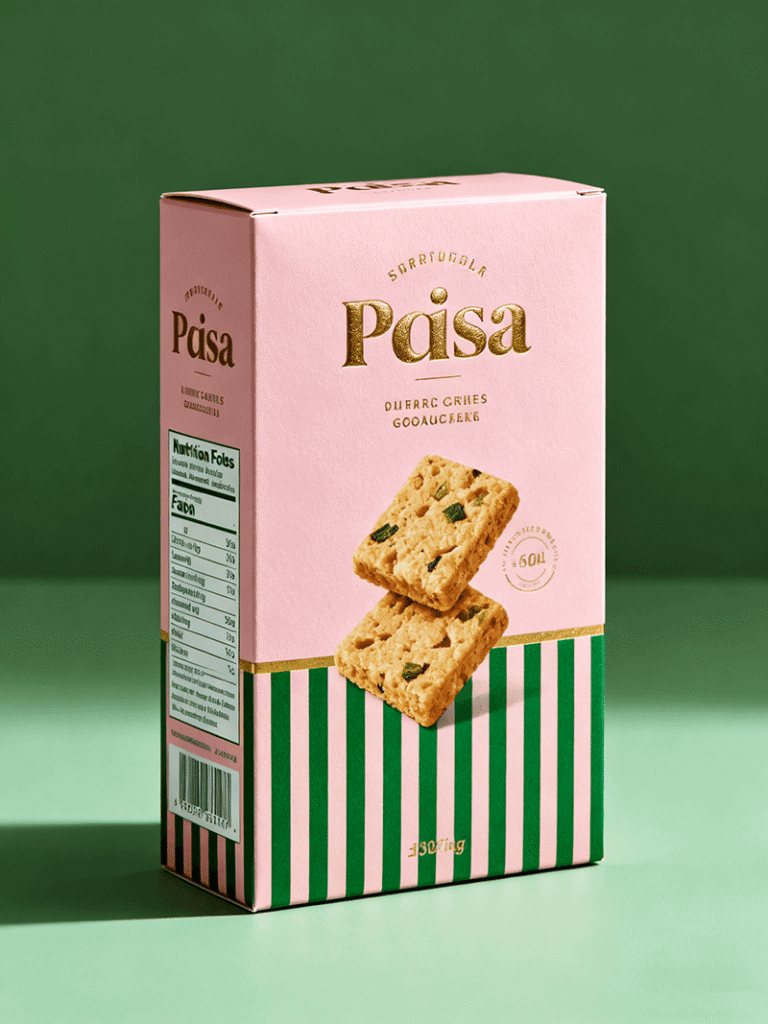
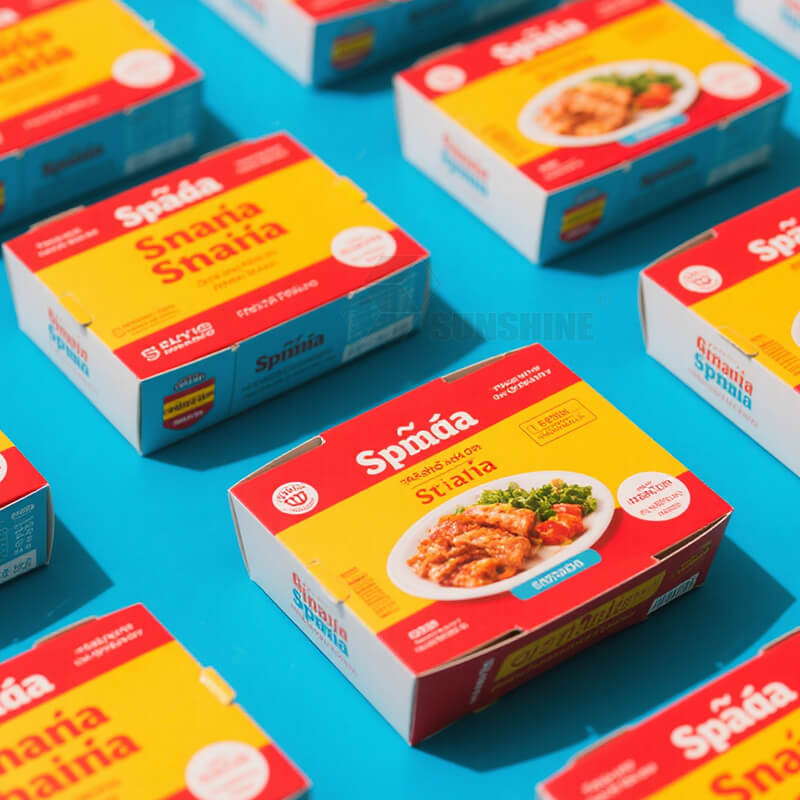
Shelf-ready packaging has become an important part of modern retail food packaging strategies.
By combining transport protection and shelf display in one design, it helps:
- retailers restock faster
- brands improve shelf visibility
- supply chains operate more efficiently
For snack brands, cereal producers, and other packaged food companies, shelf-ready packaging is not just a convenience—it’s a competitive advantage in retail environments.
Working with an experienced packaging manufacturer can help food brands develop custom shelf-ready packaging solutions that match their product size, branding, and retail requirements.