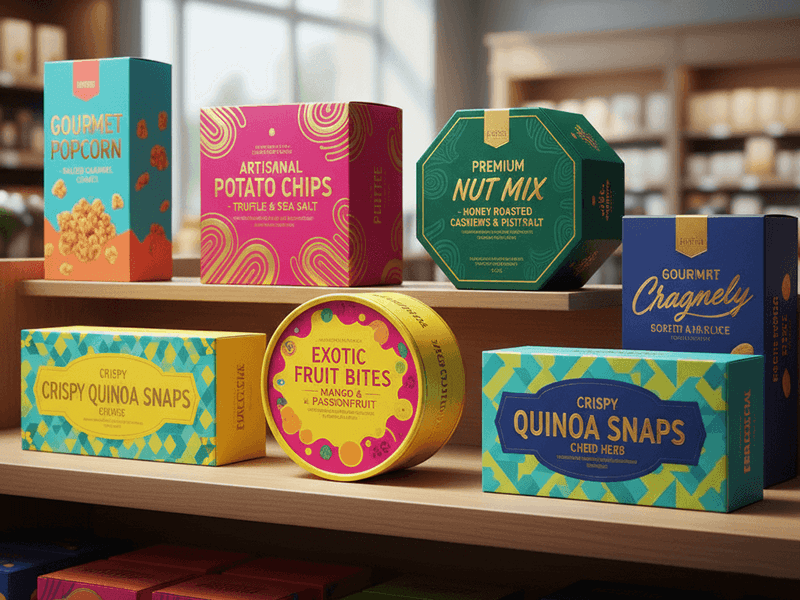
Your packaging is often the first thing a customer sees. It communicates your brand story, quality, and value. Poor design can hurt sales, while thoughtful packaging can:
Boost shelf appeal
Protect the product
Make unboxing enjoyable
Build brand recognition
A chocolate brand owner once said:
“We underestimated packaging design. Our first boxes looked plain, and our product didn’t stand out. After a redesign, sales jumped almost immediately.”
Step 1 – Understand Your Product and Audience
Before starting any custom food packaging design, you need to:
Know the product type (cookie, granola bar, pasta, etc.)
For example, a granola bar brand targeting health-conscious buyers may choose kraft boxes with simple, earthy designs, while a candy brand targeting kids might prefer bright, colorful packaging with playful graphics.
Step 2 – Select the Right Materials
Material choice affects both appearance and functionality:
SBS Paperboard – smooth, premium look, ideal for detailed printing
Kraft Paperboard – eco-friendly, natural appeal
Coated Paperboard – adds grease or moisture resistance for snacks like chocolate or cookies
Your manufacturer can recommend materials that balance cost, durability, and appearance. Many brands overlook this step and end up with packaging that looks good but doesn’t protect the product.
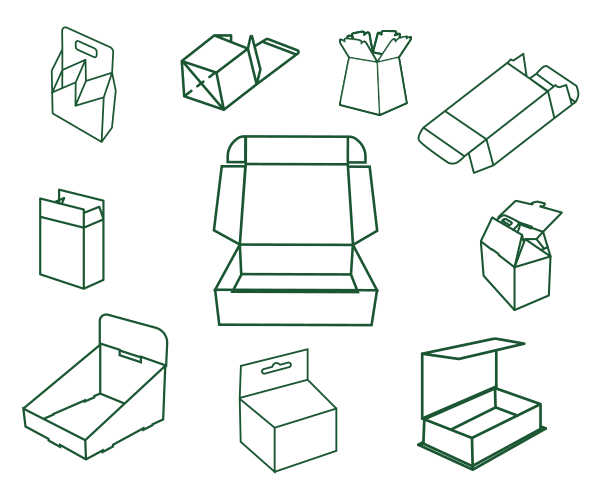
Step 3 – Decide on Box Structure
Custom packaging boxes come in many forms:
Folding cartons – simple, cost-effective, ideal for single products
Sleeves – bundle multiple products neatly
Display boxes / shelf-ready packaging – makes your product stand out on retail shelves
Even minor structural changes can improve shipping efficiency and customer experience.
Tip: Test your structure with a physical mockup before mass production. Many brands save money and time this way.
Step 4 – Design the Artwork
Artwork includes:
Logo placement
Color palette
Typography
Imagery
High-quality printing can increase perceived value, while poor design may look cheap. Some successful food brands focus on clean, minimalistic design rather than cluttered graphics—it often resonates better with consumers.
Case study: A snack bar brand switched from full-color busy illustrations to a clean matte design with a foil logo. Customers immediately recognized the brand in stores, and sales improved.
Step 5 – Add Finishing Touches
Finishing options can enhance look and feel:
Matte or glossy lamination
Spot UV or foil stamping
Embossing or debossing
Finishes should be aligned with brand identity. Overcomplicated finishes may increase costs without boosting sales.
Step 6 – Consider Functionality and Compliance
Your design should:
Protect the product during shipping and storage
Include food safety-compliant materials
Work for retail and e-commerce
Incorporate any necessary barrier coatings for moisture or grease
Many brands learn the hard way: beautiful boxes that aren’t functional lead to damaged products and unhappy customers.
Step 7 – Collaborate With Your Manufacturer
Designing custom food packaging is a team effort. Share:
Product dimensions and weight
Desired materials and finishes
Artwork files
Order quantity and lead time
Experienced manufacturers can suggest structural tweaks, material improvements, or cost-saving design adjustments. A small change can significantly improve quality and reduce production costs.
Step 8 – Test and Iterate
Before committing to mass production:
Produce samples or prototypes
Test on retail shelves
Get feedback from staff or customers
Iteration ensures your packaging is visually appealing, functional, and cost-efficient.
Designing custom packaging is about more than aesthetics. It’s a strategic process that:
Represents your brand
Protects your product
Enhances shelf appeal
Ensures compliance and durability
By following these steps and working closely with a trusted custom food packaging manufacturer, you can create packaging that resonates with customers and supports long-term growth.
Committed to solving packaging problems in different industries and meeting your customized needs.
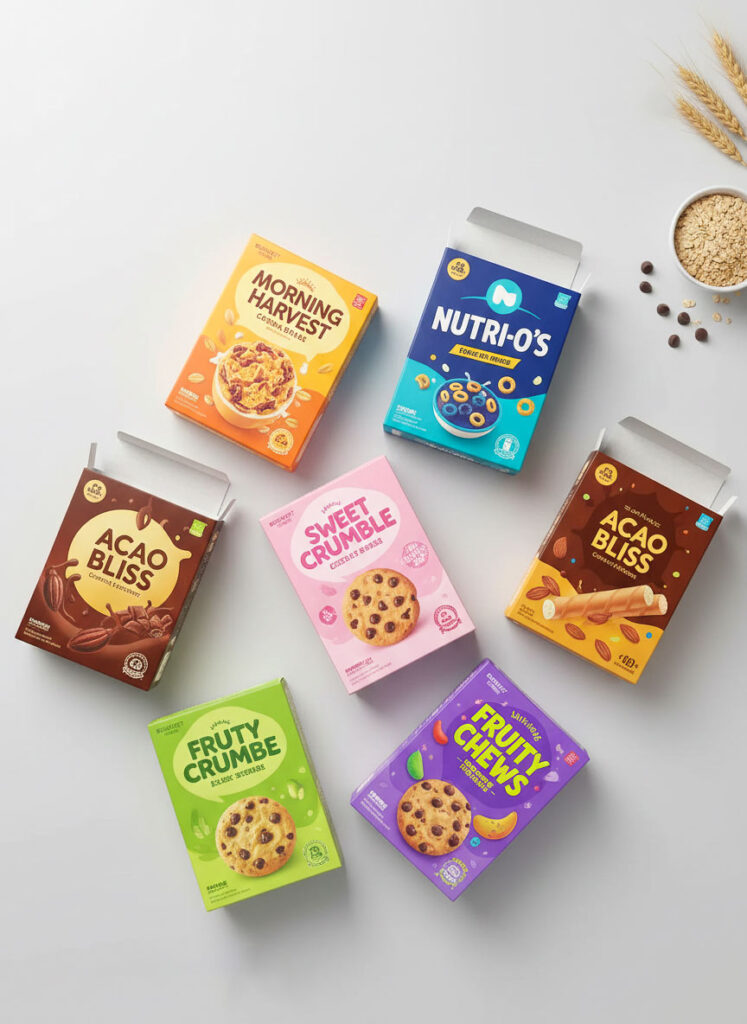
Snack Food Packaging
Premier Packaging
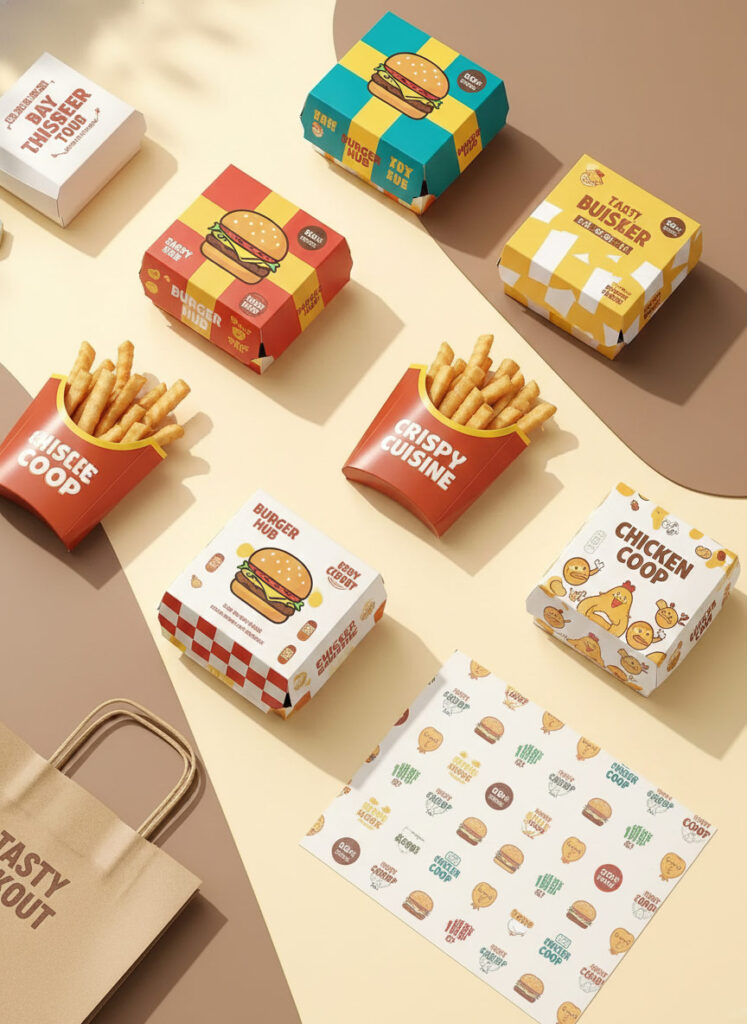
Fast Food & Takeaway Packaging
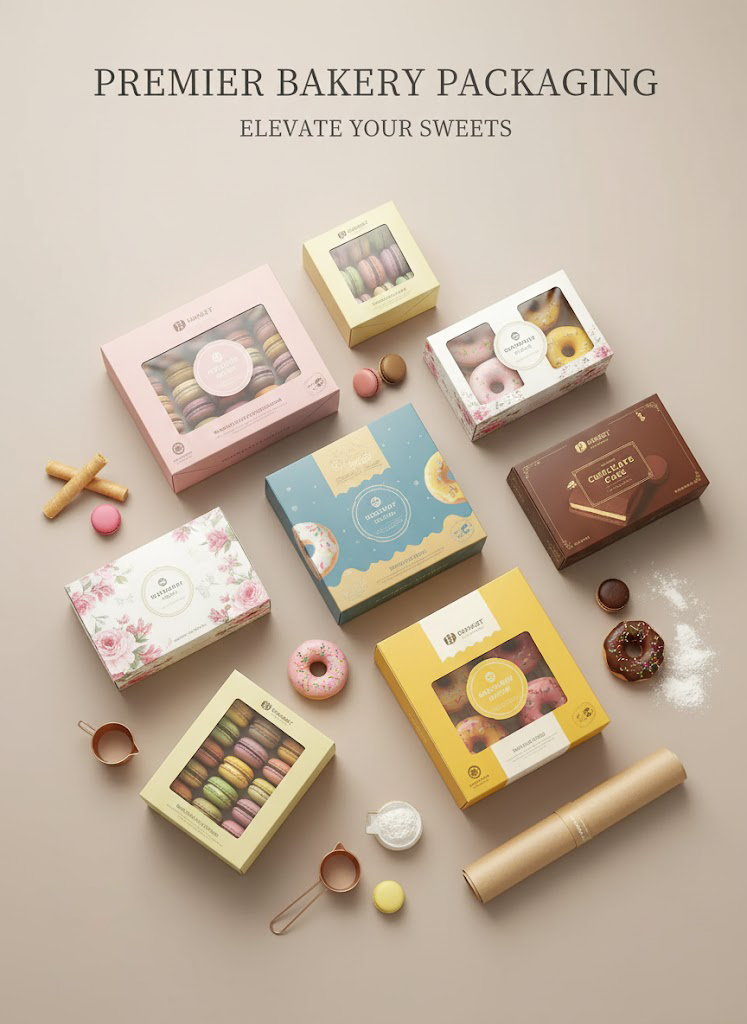
Bakery & Pastry Packaging
Dry Food Packaging
Ready-to-Eat Food Packaging
Start a Serious Packaging Discussion
If your business fits the criteria above, we’d be glad to explore how our paper box solutions can support your food packaging needs.
👉 Please contact us through the inquiry form to help us understand your requirements clearly.
We focus on long-term cooperation with food brands and manufacturers requiring custom paper box solutions. Small quantity or non-box packaging inquiries may not receive immediate responses.
Ask For A Quick Quote
We will contact you within 1 working day, please pay attention to the email with the suffix “@sunshine-packaging.com”.