Custom bakery packaging boxes are priced according to their dimensions, paperboard specifications, box structure, printing requirements, finishing options, and order quantity. A small cookie carton and a large cake box may both be classified as bakery packaging, but their production costs can be very different.
For bakeries, food manufacturers, private-label brands, and packaging distributors, understanding these cost factors before requesting a quotation makes it easier to set a realistic purchasing budget and compare suppliers.
There is no universal price for custom bakery boxes. The most accurate quotation comes from a clearly defined packaging specification rather than a general product description.
This guide explains what determines the cost of custom bakery packaging boxes, which design decisions have the greatest impact on pricing, and how businesses can control packaging expenses without compromising the finished product.
1. What Determines the Cost of Custom Bakery Packaging Boxes?
A custom bakery box is more than a printed piece of paperboard. Its price reflects the materials, manufacturing processes, and production requirements involved in making a finished carton.
For B2B buyers, the following factors are particularly important.
Box Dimensions and Overall Material Usage
The dimensions of a bakery box directly influence how much paperboard is needed for each unit.
A carton designed for individually packed cookies requires considerably less material than a larger box intended for a cake assortment or multiple pastry portions.
However, the relationship between box size and cost is not always straightforward. The layout of the carton on a printing sheet also matters. Some dimensions allow more efficient sheet utilization, while others create greater material waste during die-cutting.
When developing a new packaging design, it is worth checking whether small adjustments to the dimensions can improve production efficiency without affecting the product fit.
Paperboard Grade and Thickness
Paperboard selection affects both material cost and the finished box’s performance.
Different bakery products place different demands on their packaging. A lightweight carton for individually wrapped biscuits does not necessarily require the same board specification as a larger box containing several heavier pastries.
Common considerations include:
- Paperboard type and surface finish
- Board thickness and grammage
- Stiffness and resistance to deformation
- Printing surface requirements
- Suitability for the intended food packaging application
Using a heavier board than necessary can increase material consumption and shipping weight. On the other hand, selecting an insufficient specification may result in cartons that bend, lose their shape, or fail during handling.
The objective should be to match the board specification to the actual packaging requirements.
Box Structure and Construction
The structure of a folding carton affects the amount of material used and the production processes required.
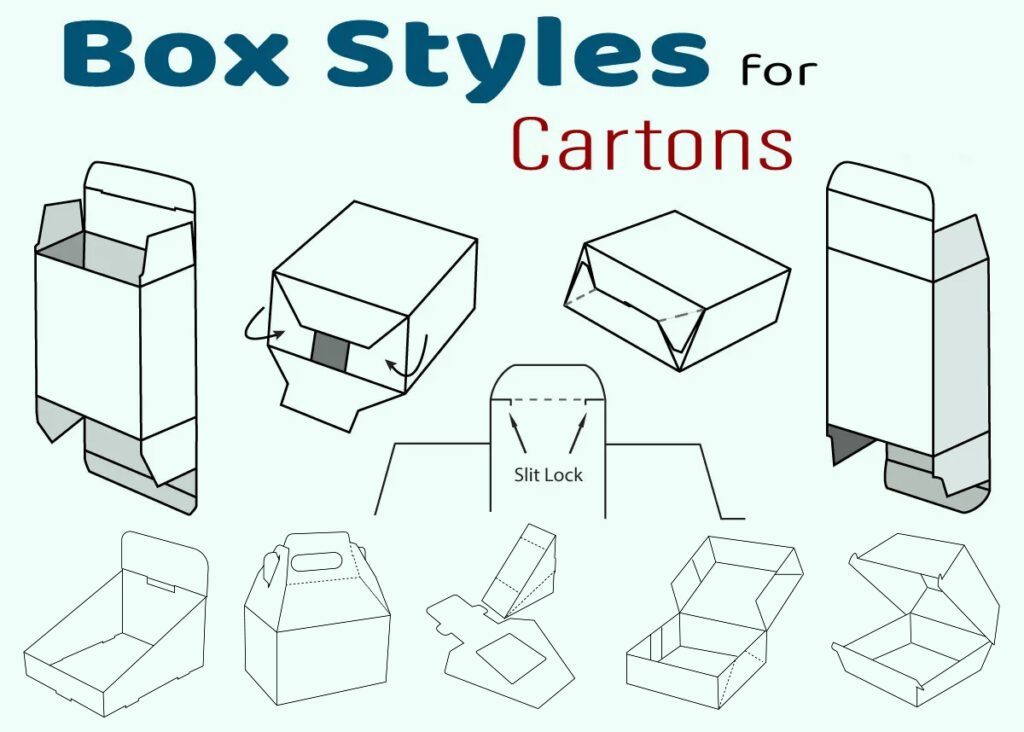
Common bakery packaging structures include:
- Straight Tuck End (STE)
- Reverse Tuck End (RTE)
- Tuck Top Auto Bottom
- Snap Lock Bottom
- Seal End Cartons
- Custom Die-Cut Folding Cartons
A straightforward tuck-end carton is generally simpler to manufacture than a design requiring additional locking features, special folds, or separate components.
Larger bakery cartons may also require a reinforced base to support the product during handling.
For businesses ordering multiple packaging designs, choosing suitable structures based on the actual product can help avoid unnecessary production costs.
Printing Requirements
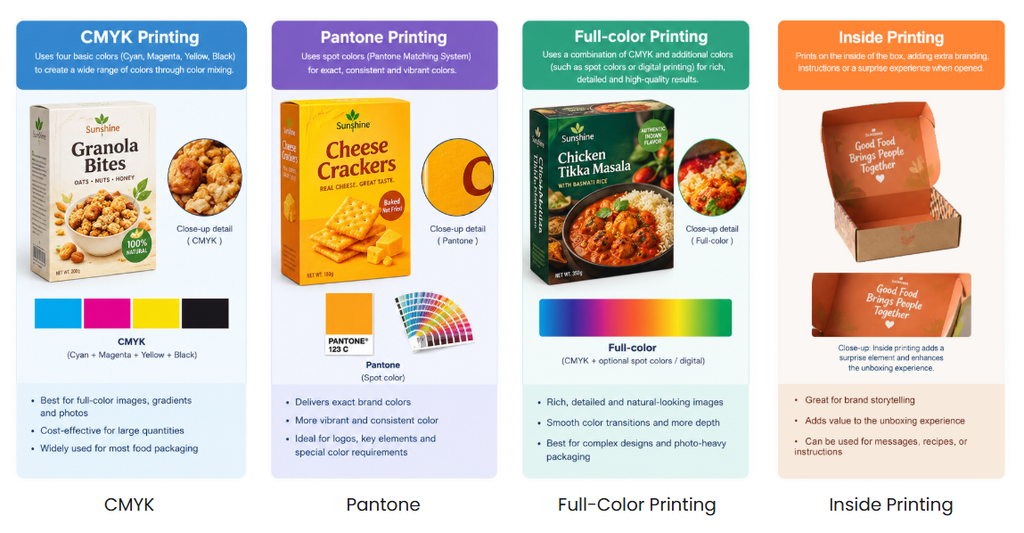
Printing is another factor that influences the final quotation.
Most custom retail bakery cartons use full-color printing to reproduce brand identities, product photography, illustrations, nutritional information, and other packaging details.
The quotation may vary depending on:
- Number of printed colors
- Printing coverage
- Whether printing is required on one or both sides
- Special color requirements
- Artwork complexity
- Production setup requirements
For example, a carton with a simple exterior design may require fewer printing resources than one with detailed graphics covering both the inside and outside surfaces.
The best approach is to prepare the final artwork or a clear design reference before requesting pricing.
Surface Finishing and Decorative Details
Finishing processes can change the appearance and production cost of bakery packaging.
Common options include:
- Matte lamination
- Gloss lamination
- Spot UV
- Hot foil stamping
- Embossing and debossing
Not every bakery carton needs multiple decorative treatments.
A premium cookie brand may benefit from foil stamping on its logo, while a high-volume biscuit carton may achieve the desired retail appearance through well-executed printing and a standard finish.
Each additional process should have a clear purpose. Choosing finishes based on the brand’s positioning and retail requirements is generally more cost-effective than adding decorative effects without a specific objective.

2. How Bakery Product Types Affect Packaging Costs
One reason bakery packaging quotations vary so much is that different products require different box dimensions, structures, and functional features.
Understanding these differences helps buyers develop a more accurate packaging budget.
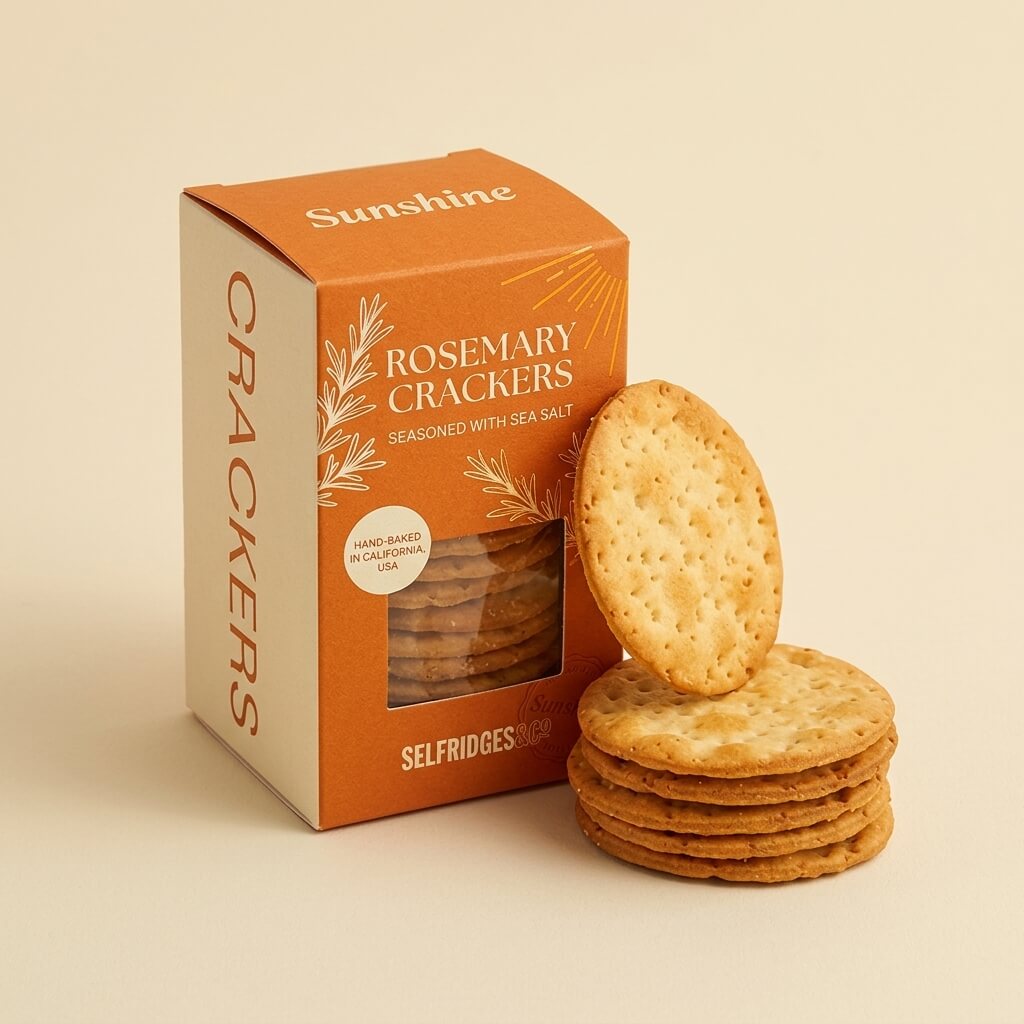
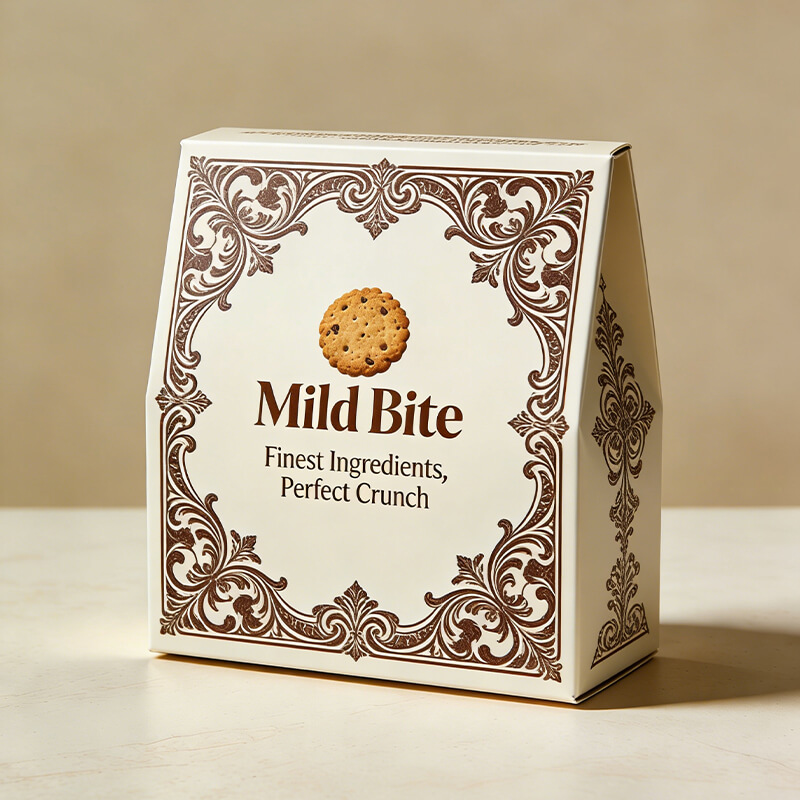
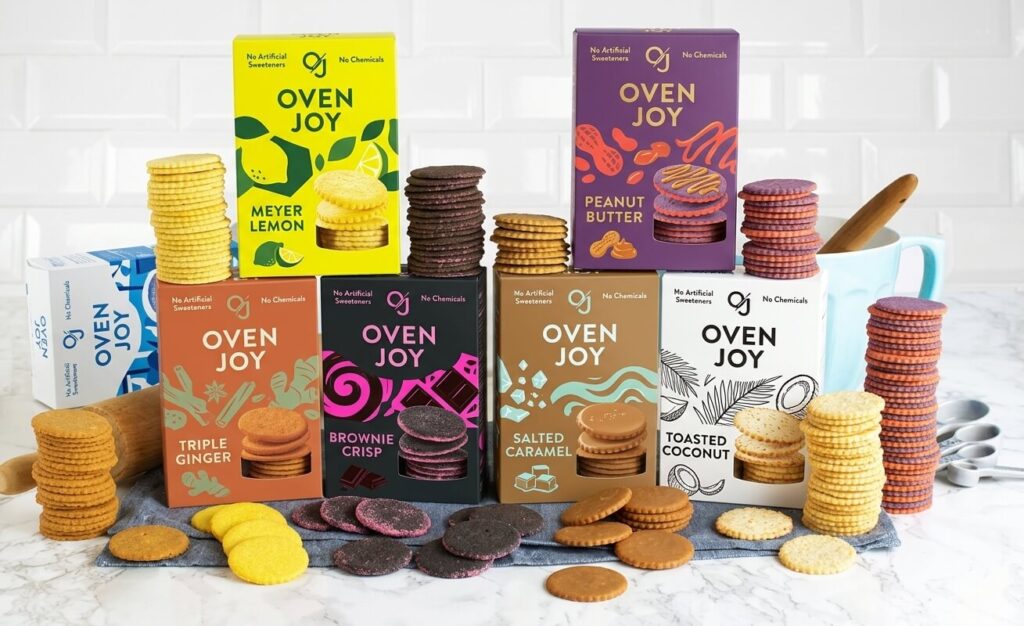
Cookie and Biscuit Packaging Boxes
Cookie and biscuit cartons are often designed for retail shelves, multipacks, or individually wrapped product assortments.
Their costs depend on factors such as:
- Number of cookies or biscuits per box
- Overall carton dimensions
- Board thickness
- Internal product arrangement
- Printing and finishing requirements
A six-count carton and a larger family-size biscuit box may use different board specifications and production layouts.
For brands selling several product flavors or pack sizes, maintaining a consistent carton structure across different SKUs may also simplify production planning.

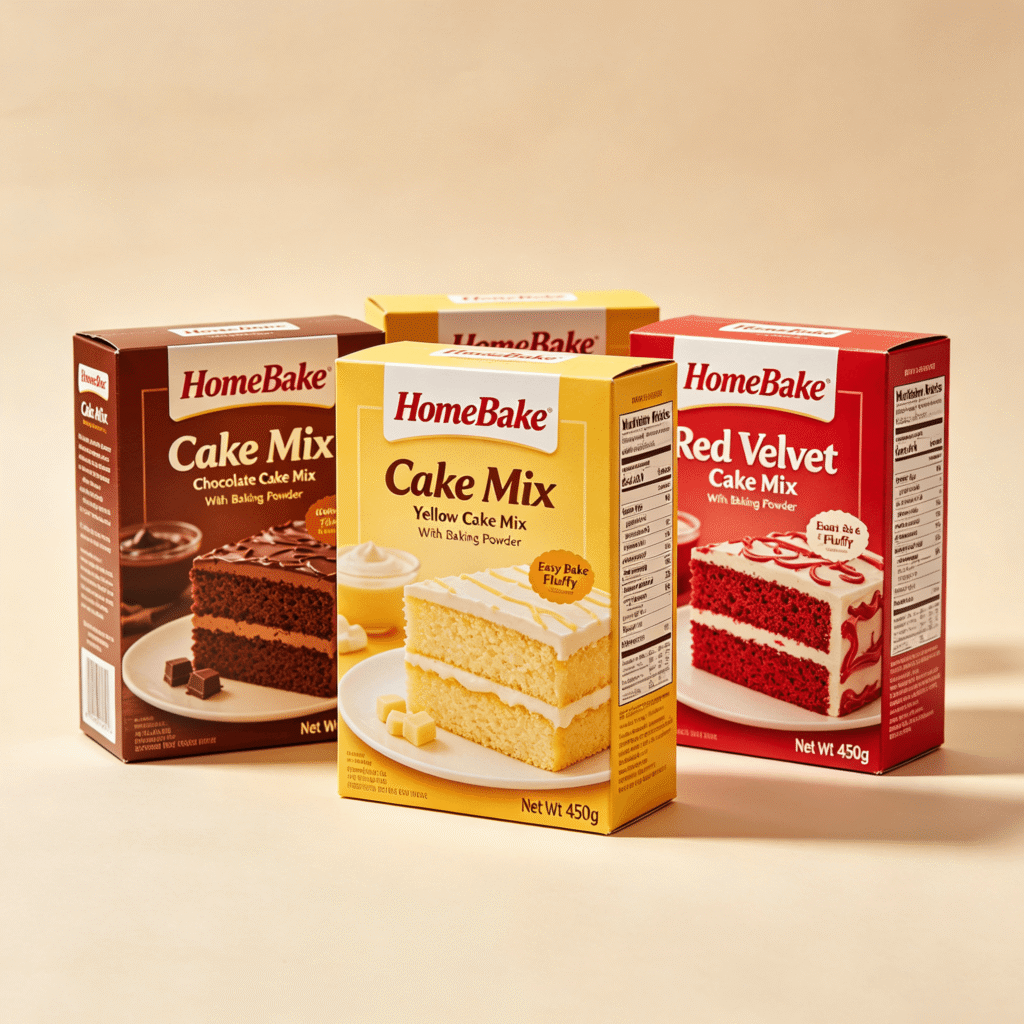
Cake and Pastry Packaging Boxes
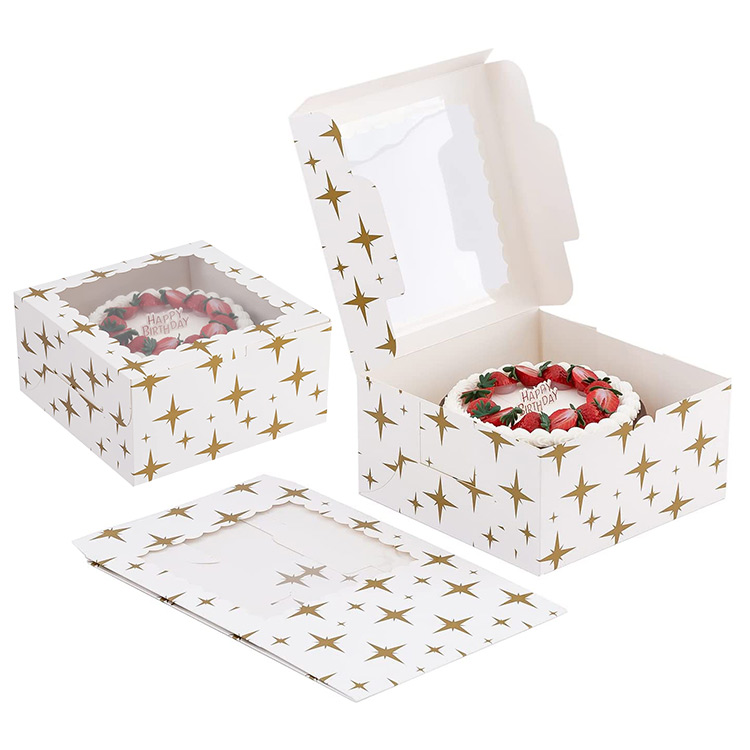
Cake and pastry cartons often require larger dimensions and more attention to structural stability.
Their pricing can be affected by:
- Product height and weight
- Base construction
- Lid and opening design
- Required internal clearance
- Special folding or locking features
A box designed for a lightweight pastry should not automatically be used for a heavier cake product.
For larger cartons, structural testing and a physical sample are useful steps before approving a bulk production order.
Macaron and Assorted Bakery Packaging
Macarons and assorted bakery products may require individual compartments or internal supports to keep products separated.
When a carton includes a custom insert, the quotation needs to account for the additional material, die-cutting, and assembly requirements.
The number of compartments, their dimensions, and the arrangement of the products all influence the final packaging specification.
For this type of project, buyers should provide the actual product dimensions and the required quantity per box before requesting a quotation.
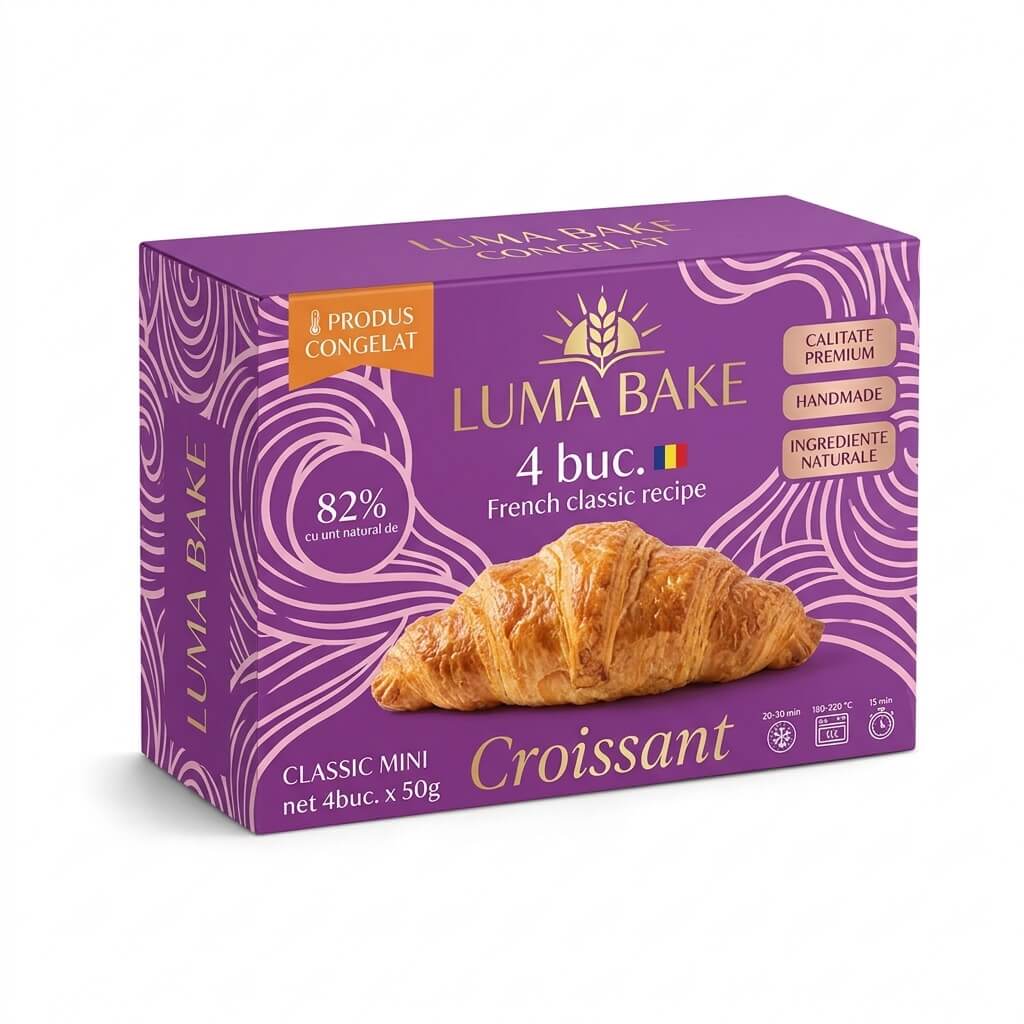
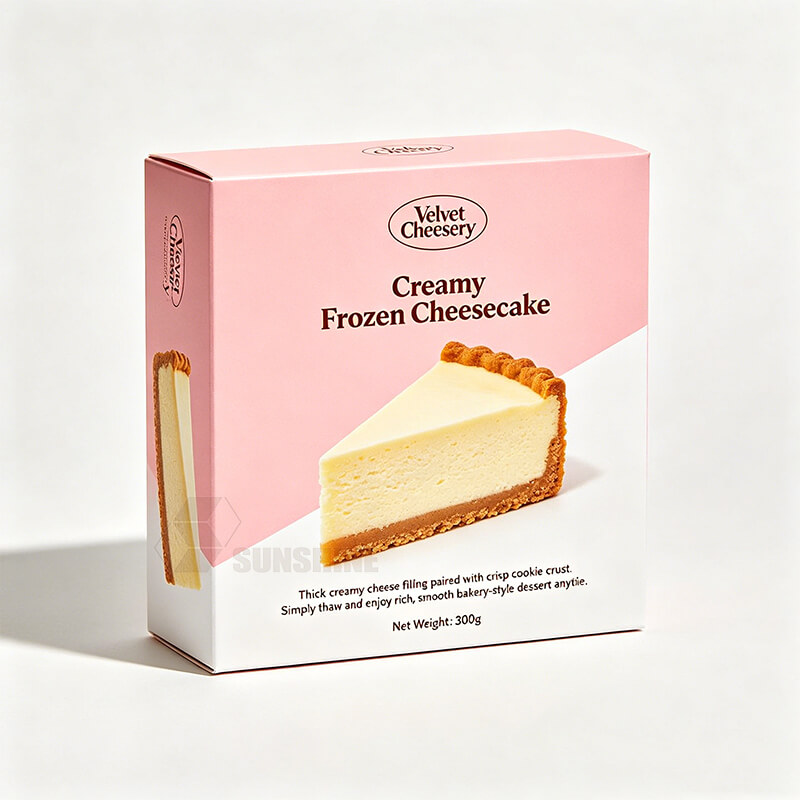
Frozen Bakery Packaging
Frozen bakery cartons have additional considerations because they are exposed to cold storage, handling, and possible condensation during distribution.
The choice of paperboard, coating, and carton construction should reflect the actual storage and distribution conditions.
A packaging design intended for frozen pastries may require different material specifications from a standard retail cookie carton.
These requirements should be discussed during the quotation stage rather than added after the production specification has been finalized.
3. How Order Quantity Affects the Unit Cost
Order quantity is one of the most important factors in custom packaging pricing.
Paperboard cartons involve production preparation, including printing setup, cutting dies, machine adjustment, and other manufacturing operations.
Some of these costs are incurred regardless of whether the factory produces a relatively small batch or a much larger order.
When the production quantity increases, fixed preparation costs can be distributed across more finished cartons.
This is why the unit price for a larger order is generally lower than that for a smaller order with identical specifications.
Comparing Different Order Quantities
When requesting a quotation, buyers should consider several quantity levels rather than asking for only one price.
For example, a bakery brand planning to purchase 20,000 cartons could request quotations at:
- 20,000 pieces
- 30,000 pieces
- 50,000 pieces
- 100,000 pieces
The comparison helps identify how the unit price changes as production volume increases.
However, ordering more packaging is not always the best financial decision.
Buyers also need to consider warehouse capacity, product shelf life, inventory turnover, artwork changes, and the possibility of launching new product sizes.
The goal is to find a production quantity that balances unit cost with actual business demand.
Consider the Number of SKUs
A bakery brand may sell several flavors or product varieties using similar carton dimensions.
Although the boxes may share the same overall structure, different artwork versions can require separate printing preparation.
For example, a manufacturer producing four cookie flavors may need four different printed designs.
When requesting a quotation, it is important to specify whether the order quantity refers to one design or the combined quantity across several designs.
This distinction helps suppliers calculate the production cost more accurately.
4. How to Reduce Custom Bakery Packaging Costs
Reducing packaging expenses does not necessarily mean choosing cheaper paperboard or removing important features.
In many cases, better design planning and production coordination offer more practical savings.
Standardize Dimensions Across Product Ranges
If several bakery products have similar packaging requirements, consider whether they can share a common carton footprint.
Using consistent dimensions across selected SKUs may simplify production planning and inventory management.
However, the packaging must still fit each product properly. Standardization should not compromise product protection or presentation.
Avoid Unnecessary Structural Complexity
Custom carton structures are useful when a product requires a particular opening method, display format, or support system.
But additional folds, locking features, and separate components can increase manufacturing complexity.
A straightforward folding carton may be sufficient for many retail bakery products.
Before finalizing the design, discuss whether a simpler structure can achieve the same practical result.
Choose Paperboard Based on Actual Requirements
A thicker board is not automatically a better choice.
The appropriate specification depends on the carton dimensions, product weight, distribution conditions, and expected handling.
Working with an experienced paperboard packaging manufacturer can help identify a suitable specification without adding unnecessary material costs.
Select Finishing Options Carefully
Premium finishing can strengthen brand presentation, but every additional process should be evaluated against its contribution to the final product.
For example, a bakery brand may achieve a distinctive appearance through a carefully designed color scheme and one selected decorative treatment rather than combining several expensive finishes.
Plan Orders Around Realistic Demand
Placing a larger order can reduce the unit cost, but excessive inventory creates other expenses.
Before increasing order quantities, review sales forecasts, warehouse space, and the expected lifespan of the packaging artwork.
For businesses with multiple product lines, coordinating packaging orders may also help improve purchasing efficiency.
5. What Information Should You Provide to Get an Accurate Bakery Box Quote?
A manufacturer cannot provide a reliable quotation based on a product category alone.
To calculate the production cost, the supplier needs to understand the exact packaging requirements.
The following information is useful when preparing an inquiry.
| Information | What to Provide |
|---|---|
| Product Type | Cookies, biscuits, cakes, pastries, macarons, etc. |
| Box Dimensions | Length × Width × Height |
| Box Structure | Tuck end, auto bottom, snap lock, custom structure |
| Paperboard | Preferred grade or required performance |
| Printing | CMYK, Pantone, exterior or interior printing |
| Finishing | Matte, gloss, foil stamping, embossing, etc. |
| Quantity | Required pieces per size and design |
| Artwork | AI, PDF, or other available design files |
| Reference | Existing packaging photos or physical samples |
| Destination | Country and delivery location |
If the final dimensions or structure have not been decided, buyers can initially provide product dimensions and reference photos.
The manufacturer can then review the requirements and discuss a suitable carton design before preparing a formal quotation.
Providing complete specifications at the beginning also makes it easier to compare quotations from different suppliers.
6. Why the Lowest Bakery Packaging Quote Is Not Always the Best Choice
Comparing suppliers based only on unit price can lead to problems during production and distribution.
Two quotations may look similar while covering different material specifications, printing requirements, and finishing processes.
Before selecting a supplier, check whether the quotations include the same:
- Paperboard type and thickness
- Finished box dimensions
- Carton structure
- Printing specifications
- Surface finishing
- Production quantity
- Packing method
- Delivery terms
Sample approval is another important consideration.
A production sample allows buyers to review the carton dimensions, folding accuracy, printing appearance, and overall construction before proceeding with bulk production.
For packaging used in food applications, the relevant material documentation and suitability for the intended food-contact conditions should also be confirmed where applicable.
A competitive quotation should offer the right balance of price, product quality, production consistency, and delivery reliability.
7. Custom Bakery Packaging Boxes from Sunshine Packaging
Weifang Sunshine Packaging Co., Ltd. manufactures custom paperboard cartons for food brands, packaging distributors, and other B2B customers.
Our focus is on custom folding cartons and printed paperboard boxes rather than standard stock packaging.
For bakery and biscuit applications, we can work with customers on:
- Custom carton dimensions
- Paperboard selection
- Folding carton structures
- Custom printed artwork
- Surface finishing options
- Production samples
- Bulk manufacturing
Whether you need retail cartons for biscuits, cookie boxes, pastry packaging, or paperboard boxes for assorted bakery products, the packaging specification can be developed according to your product and purchasing requirements.
We understand that different customers have different packaging standards, production quantities, and delivery expectations. Our team can review your requirements and provide a quotation based on the actual project specifications.
Looking for a custom bakery packaging box manufacturer?
Send us your box dimensions, reference photos, artwork, and estimated order quantity. Our team will review your requirements and provide a customized quotation.
Contact Sunshine Packaging to discuss your bakery packaging project.
Frequently Asked Questions
1. How much do custom bakery packaging boxes cost per unit?
There is no fixed price for all bakery cartons. The unit cost depends on box dimensions, paperboard specifications, structure, printing, finishing, and order quantity. A quotation based on the complete packaging specification is the most reliable way to determine the price.
2. What is the minimum order quantity for custom bakery boxes?
The MOQ depends on the box design, dimensions, printing requirements, and production arrangements. At Sunshine Packaging, our current standard MOQ for paper boxes is generally 20,000 pieces per size. Please contact us to confirm the MOQ for your specific project.
3. Does a larger order reduce the cost of each box?
Generally, yes. Larger production quantities allow certain setup and preparation costs to be distributed across more units. However, buyers should also consider storage costs, inventory turnover, and future design changes before increasing order quantities.
4. Can I order bakery boxes with custom printing?
Yes. Custom printed folding cartons can be produced with brand logos, product graphics, product information, and other artwork according to the project requirements.
5. Can I request a sample before placing a bulk order?
Yes. Blank or available stock samples can generally be provided free of charge, with freight paid by the customer. Custom printed samples are usually charged separately. The cost depends on the design and specifications.
6. What files are needed for a custom bakery box quotation?
Ideally, provide the finished box dimensions, box structure, paperboard requirements, printing artwork, finishing details, and order quantity. If you do not have a finalized design, reference photos and product dimensions are a useful starting point.
7. Are custom paperboard boxes suitable for direct food contact?
Food-contact suitability depends on the actual paperboard, coatings, inks, adhesives, food type, and conditions of use. Not every printed paperboard carton is automatically suitable for direct contact with food. The material construction and relevant compliance documentation should be confirmed for the intended application.
8. How can I reduce the cost of custom bakery packaging without compromising quality?
Start by optimizing box dimensions, selecting an appropriate paperboard specification, avoiding unnecessary structural complexity, and choosing finishing options carefully. Reviewing order quantities and coordinating similar SKUs can also help improve purchasing efficiency.
Looking for custom printed bakery packaging boxes for your business?
Contact Sunshine Packaging with your product details and packaging requirements. We will help you evaluate the suitable carton specifications and prepare a quotation for your project.