Snack packaging is one of those things people don’t really think about—until it goes wrong.
A cookie breaks in transit. A granola bar looks “cheap” on shelf. A nice product gets ignored simply because the box doesn’t stand out next to competitors.
For food brands, packaging isn’t decoration. It’s part of the product experience, and in many cases, it decides whether a customer picks you or not.
This guide is a straightforward look at how snack brands usually approach custom snack packaging boxes in real production—what works, what doesn’t, and what actually matters when you talk to a manufacturer.
Why snack packaging matters more than most brands expect
Most snack products are impulse buys. People don’t spend 5 minutes comparing ingredients in the aisle—they scan, react, and decide.
That means your packaging has to do a few things immediately:
- Make the product easy to understand
- Look clean and trustworthy
- Survive transport and shelf stacking
- Fit retail expectations (especially supermarkets)
A good box won’t save a bad product—but a weak box can definitely hurt a good one.
Common types of snack packaging boxes
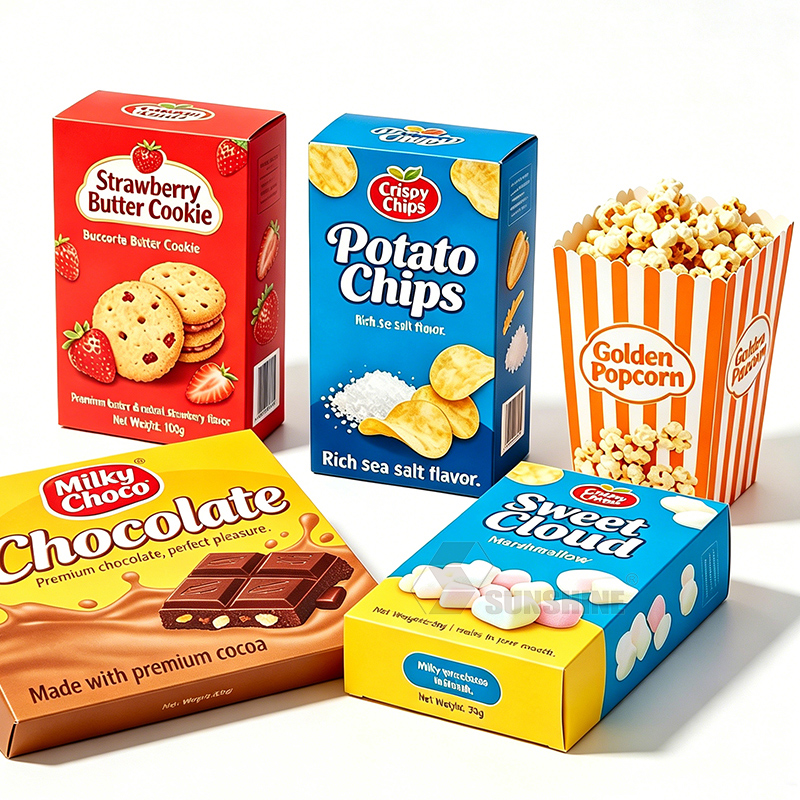
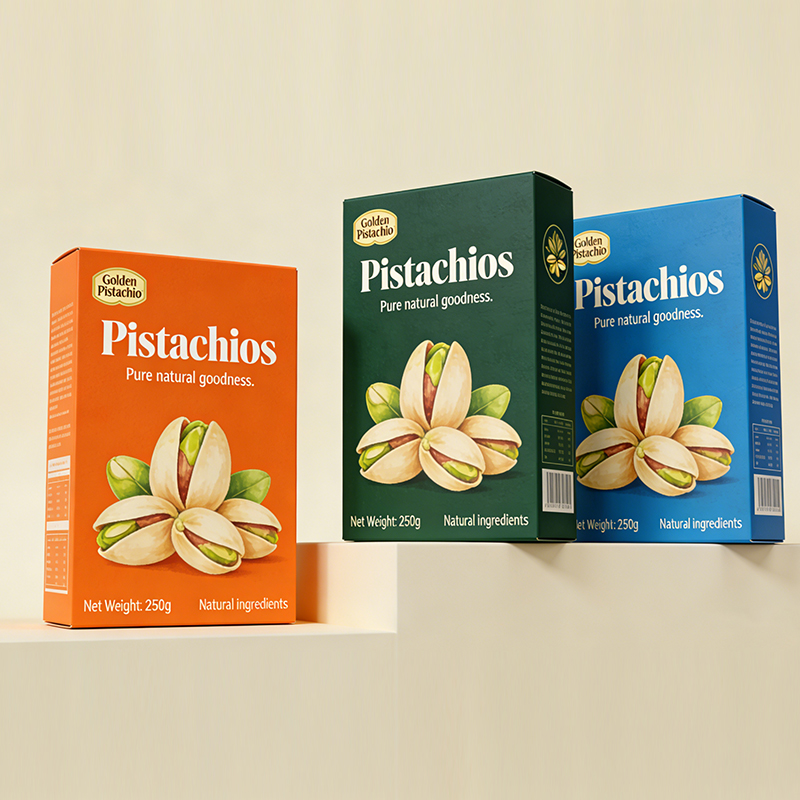
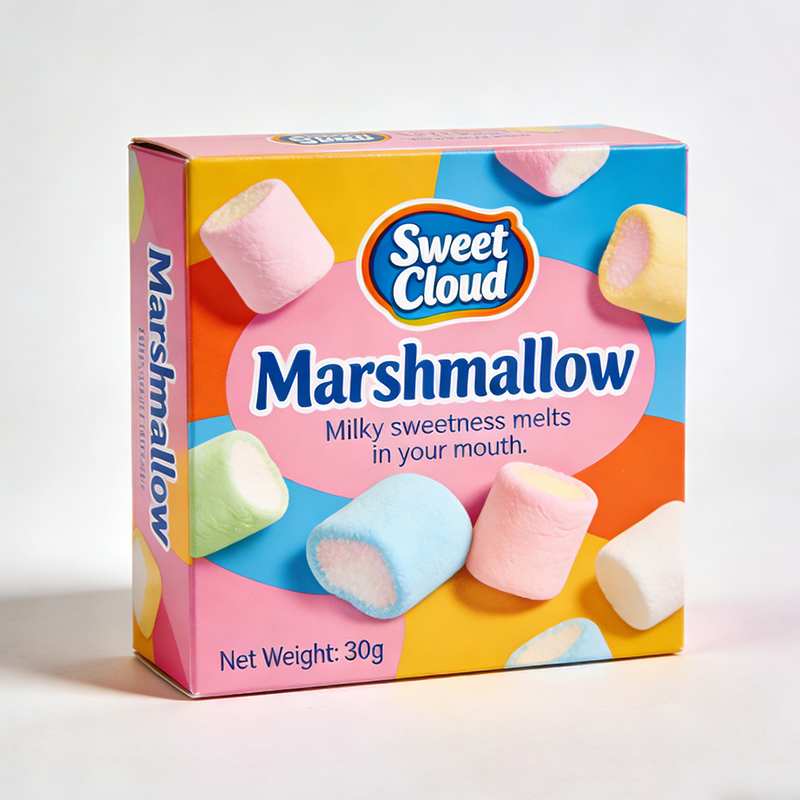
In real production, snack packaging usually falls into a few practical formats.
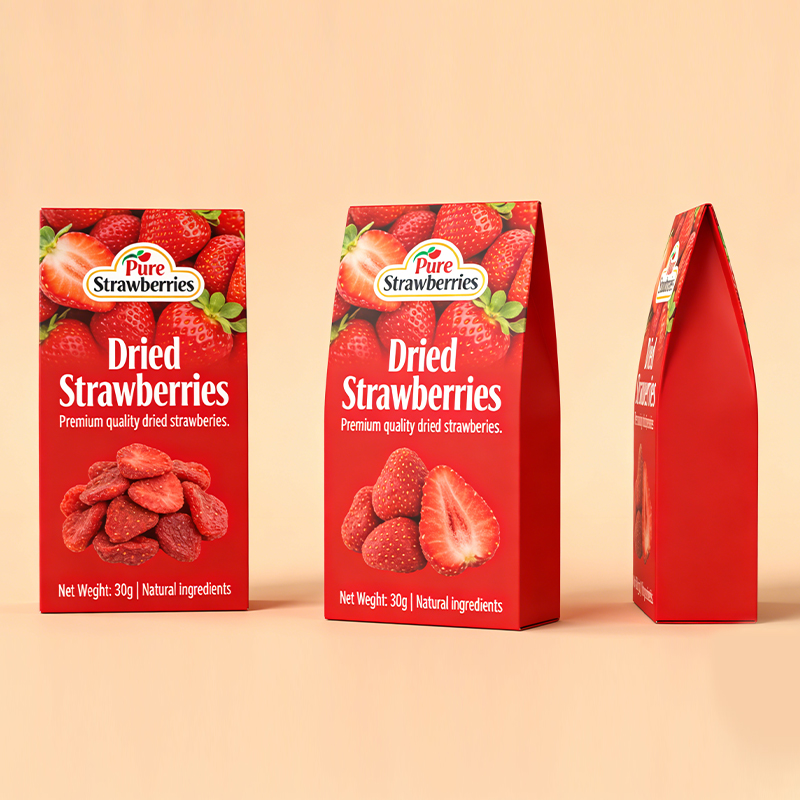
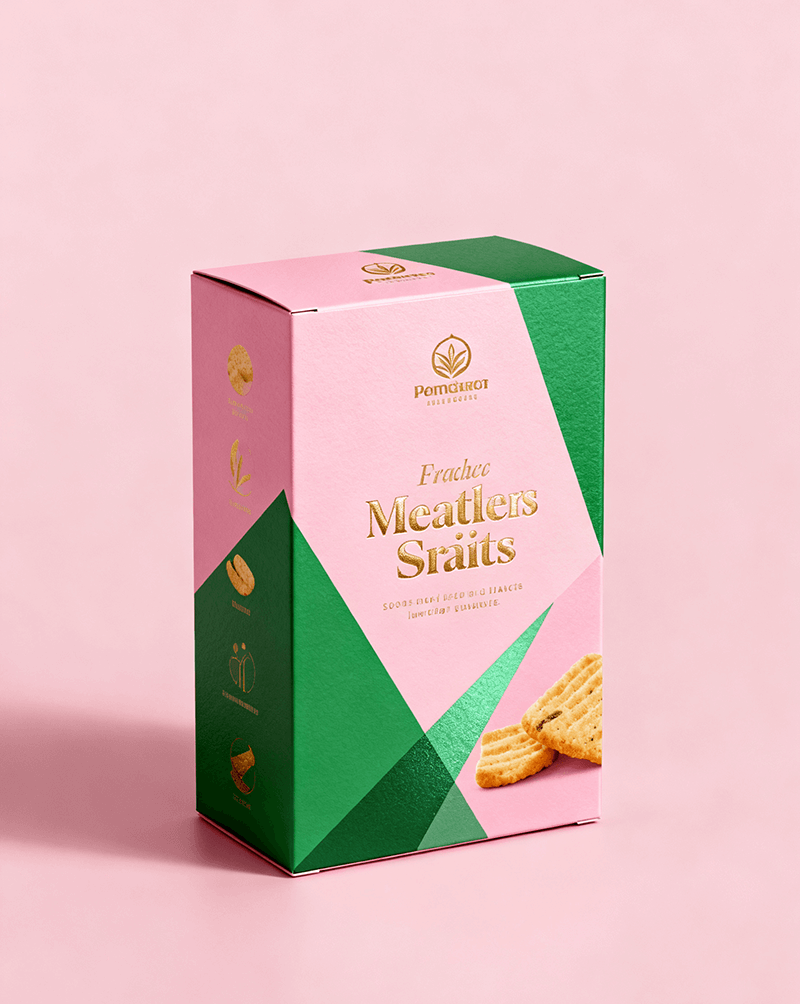
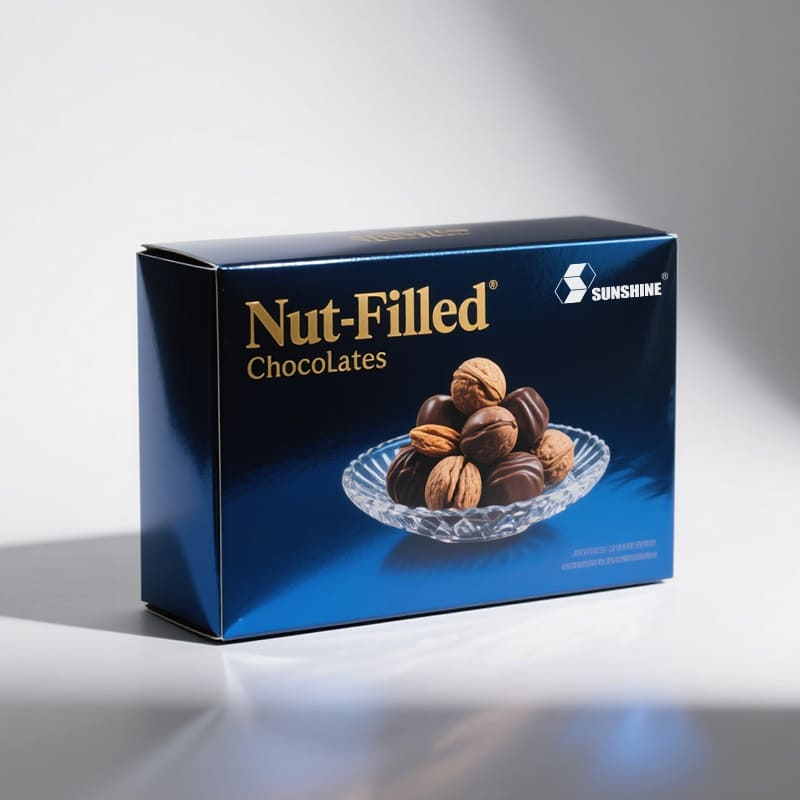
Folding carton boxes (the standard choice)
This is what most snack brands start with.
Used for:
- Granola bars
- Cookies
- Protein snacks
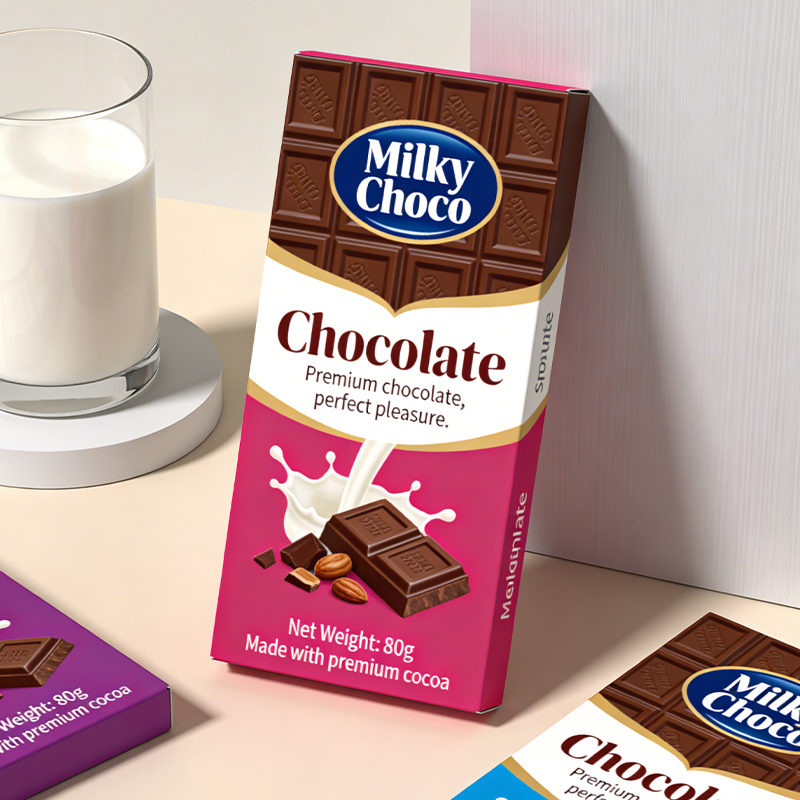
- Chocolate bars
It’s lightweight, easy to print, and works well for retail shelves. If you walk through any supermarket snack aisle, most paper boxes you see are this structure.
Corrugated boxes (for shipping and subscription snacks)
Used when products need protection in logistics.
Typical cases:
- Snack subscription boxes
- E-commerce orders
- Bulk packaging
These are not about shelf appearance—they’re about making sure products arrive in one piece. Brands doing DTC (direct-to-consumer) usually rely heavily on this.
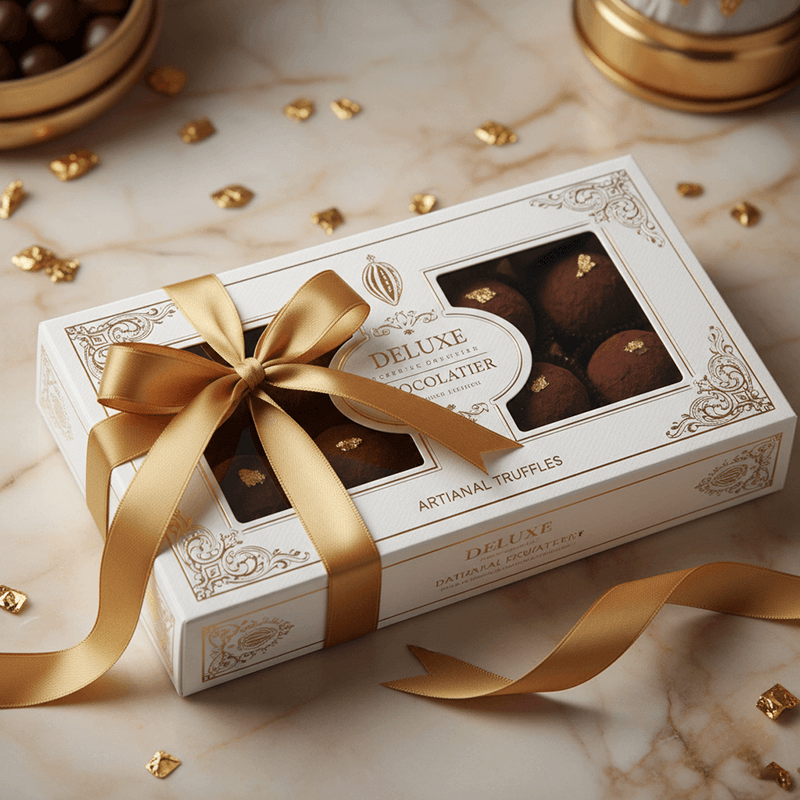
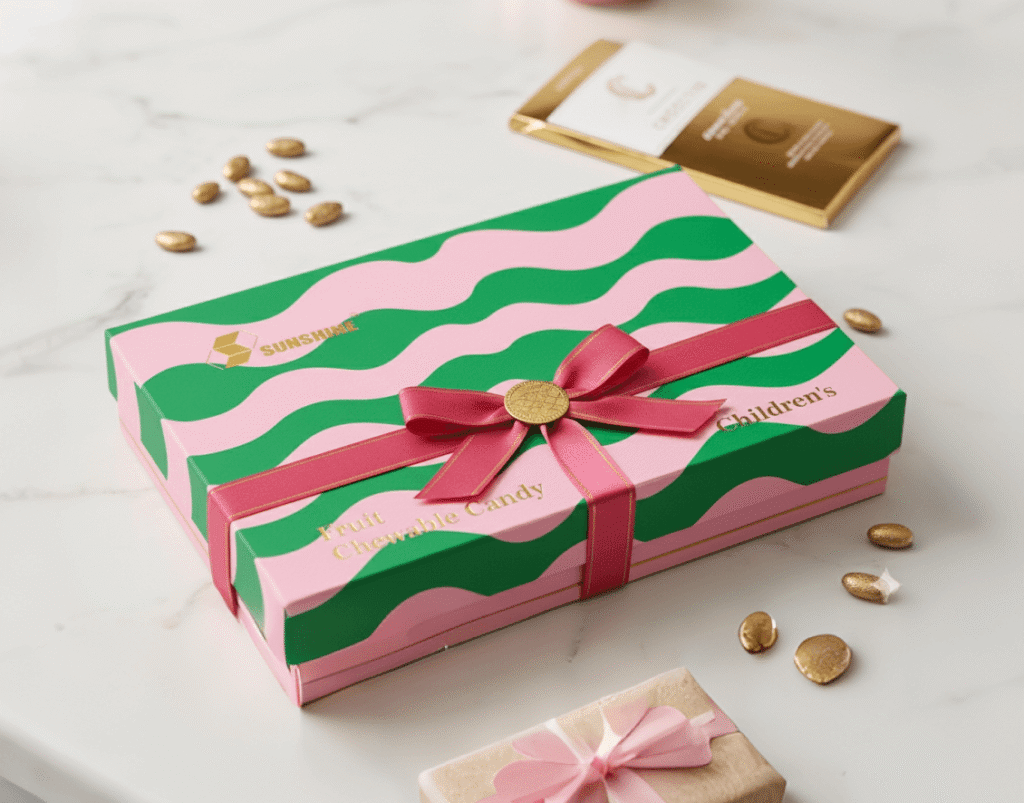
Rigid boxes (premium positioning)
Used less often, but important for certain brands.
Typical use:
- Gift snack sets
- Premium chocolate packaging
- Limited editions
It’s more about “unboxing feel” and perceived value. Cost is higher, but it changes how customers judge the product instantly.
Window boxes (when you want the product to sell itself)
A simple idea that works well:
Let people see what they’re buying.
Used for:
- Cookies
- Bakery snacks
- Premium visible products
A small window often increases trust, especially for first-time buyers.
Gable boxes (for carry and gifting)
More common in retail events or food service.
- Easy to carry
- Works well for bundles
- Feels more “gift-like”
Materials used in snack packaging (what actually matters)
Most snack packaging comes down to a few paperboard choices.
SBS board (clean, white, premium printing)
If your design is colorful or detailed, this is usually the safest option.
- Smooth surface
- Bright print results
- Strong retail appearance
Used widely for branded snack products.
FBB board (cost-balanced option)
This is probably the most common material in mass-market snacks.
- Slightly lighter
- Cost efficient
- Good enough print quality
Most supermarket private label snacks use this.
Kraft board (natural and “healthy” positioning)
This one is less about function and more about branding.
- Brown, natural look
- Strong eco perception
- Works well for organic snacks
One thing to remember: colors won’t look as sharp as on white board unless you adjust design expectations.
Corrugated board (for logistics strength)
Used when shipping matters more than shelf display.
- Strong stacking ability
- Protects products in transit
- Common for e-commerce
Printing options (what brands usually choose in real projects)
Most snack packaging uses three main printing methods.
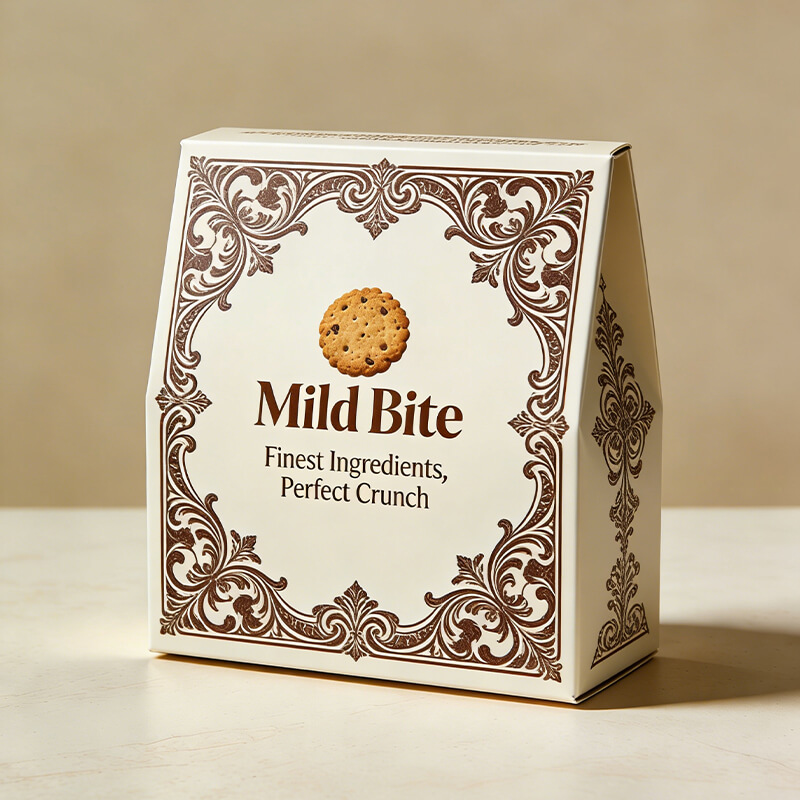
Offset printing (most common for retail packaging)
This is the standard for mid-to-high volume snack brands.
- Sharp images
- Stable color consistency
- Works well for branding-heavy packaging
If your box sits on a supermarket shelf, this is usually the default choice.
Digital printing (for testing or small batches)
Used when brands are still testing the market.
- No printing plate needed
- Faster setup
- Good for short runs
Startups often begin here before scaling.
Flexo printing (for large-scale cartons)
More common for corrugated boxes.
- Efficient for big volumes
- Lower cost per unit
- Less detail than offset
Finishing touches (where packaging starts to feel “real”)
This is where packaging moves from basic to “brand-level”.
- Matte or gloss lamination
- Spot UV (highlight logo or name)
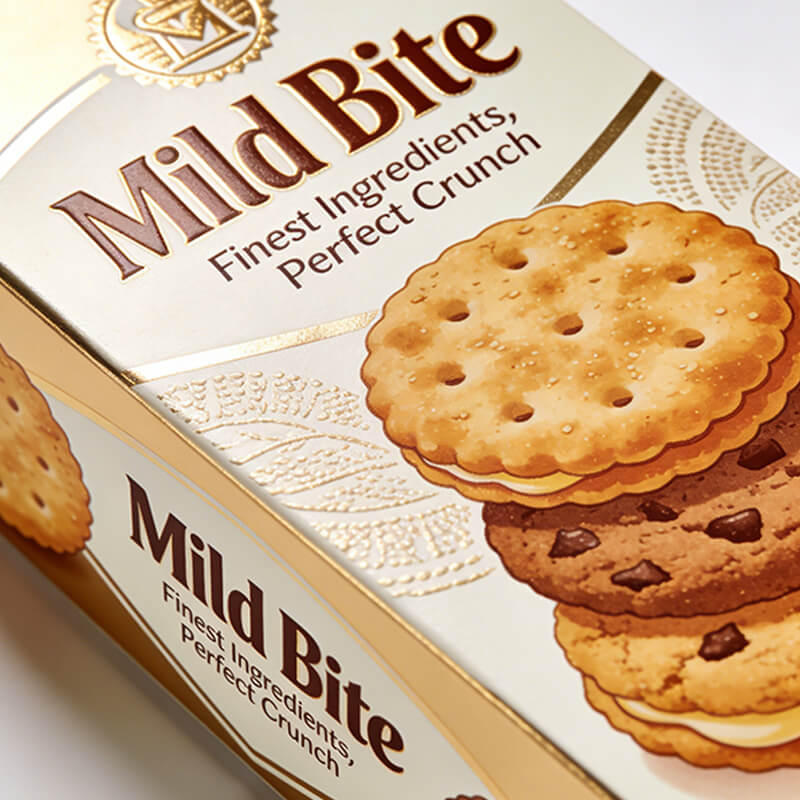
- Foil stamping (gold/silver accents)
- Embossing (tactile branding)
Most brands don’t need everything. Usually one or two finishes are enough.
Sustainability (what buyers actually care about now)
In 2026, almost every food brand gets asked about this.
What’s actually being used:
- Recyclable paperboard packaging
- FSC-certified materials
- PLA coatings instead of plastic
- Reduced plastic windows or switching to bio-based options
In Europe especially, buyers and retailers are quite strict about recyclability and certification. In the US, it’s more brand-driven, but expectations are rising quickly.
What usually goes wrong (based on real projects)
From a manufacturing point of view, most issues are surprisingly simple:
- Box size not tested with real product
- Artwork looks good on screen but too dark in print
- Weak board for heavy snacks
- Over-designed packaging that increases cost but not sales
Most of these problems are avoidable if samples are done properly before mass production.
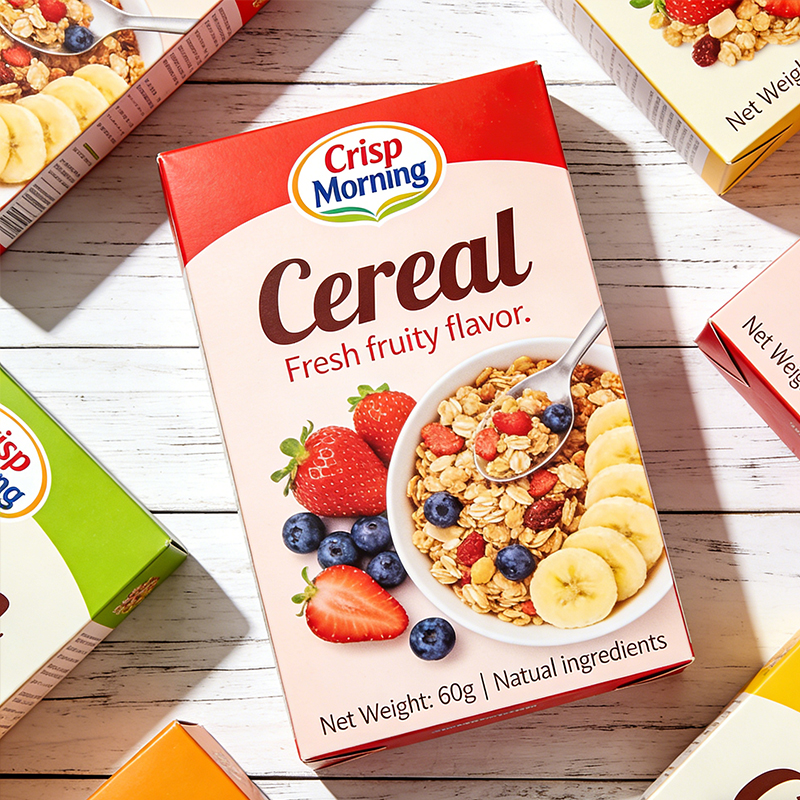
If you strip everything down, snack packaging is really about three things:
- Does it protect the product?
- Does it look good on shelf in 3 seconds?
- Does it match your brand positioning?
Everything else—printing method, material, finishing—is just how you get there.
We’ve seen brands spend heavily on product development, but lose shelf performance because the packaging didn’t communicate clearly. On the other hand, some simple upgrades in structure or printing have completely changed retail performance.
So it’s not about making the “perfect box.” It’s about making a box that actually works in real retail conditions.