
Frozen food products are increasingly popular in supermarkets, convenience stores, and online grocery channels. From ready-to-eat meals to frozen vegetables and desserts, these products require packaging that can withstand extreme cold, moisture, and handling during transport and storage. Choosing the right paper thickness for frozen food packaging is essential to ensure product safety, shelf appeal, and operational efficiency.
This guide explores the key factors influencing paper thickness selection, suitable materials, environmental considerations, and a practical frozen food packaging guide for B2B brands.
Why Paper Thickness Matters for Frozen Food Packaging
The thickness of your paperboard packaging affects several critical aspects:
- Structural Integrity – Frozen food packaging must remain strong under freezing temperatures, stacking, and handling. Thicker boards prevent tearing or collapsing.
- Moisture Resistance – Ice crystals and condensation can weaken thin paper. Correct thickness combined with moisture-resistant coatings ensures durability.
- Thermal Insulation – Paper thickness contributes to insulation, keeping products frozen longer during transport or storage.
- Printing and Branding – Thicker boards support high-quality printing, embossing, and laminations for premium frozen food brands.
Understanding the Frozen Food Environment
Frozen food packaging faces unique challenges, influencing paper thickness and material choice:
- Freezer Temperatures: Usually -18°C to -24°C (-0.4°F to -11°F). Packaging must remain rigid and not brittle.
- Moisture & Condensation: Frost or melting ice can cause sogginess; packaging must resist water absorption.
- Stacking & Shipping Stress: Boxes are stacked on pallets or refrigerated trucks; thin paperboards may collapse.
- Retail & Consumer Handling: Packaging must survive freezer displays and removal without tearing.
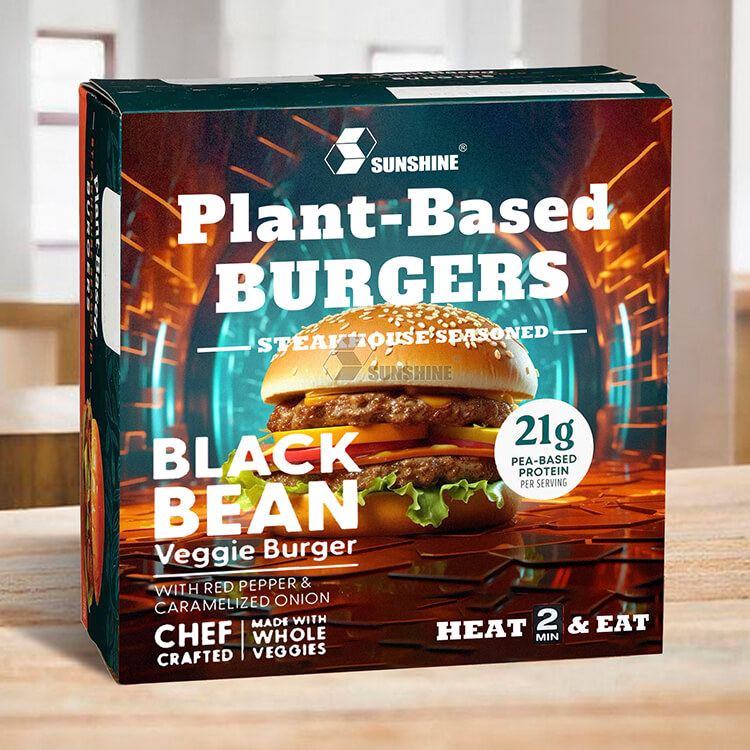
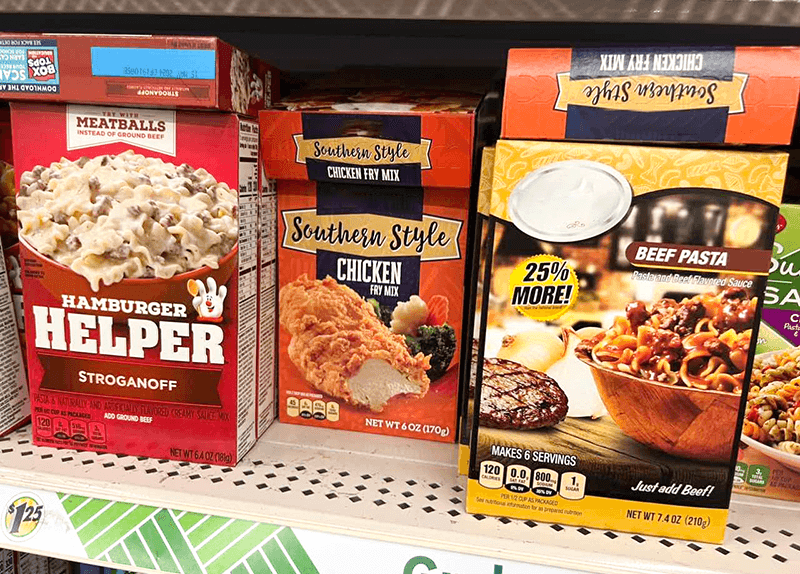
Recommended Paper Thickness and Materials
Paperboard thickness depends on product weight, size, and packaging structure:
- Lightweight Snacks (single-serve meals, frozen desserts): 250–300 gsm, coated folding boxboard.
- Medium-weight Frozen Foods (vegetables, medium meal trays): 300–350 gsm, coated FBB or SBS.
- Heavy/Bulk Items (family-size lasagna, frozen seafood): 350–400 gsm or double-wall paperboard, PE or foil-coated.
Material options:
- SBS (Solid Bleached Sulfate): Smooth, strong, premium printing.
- FBB (Folding Boxboard): Lightweight, cost-effective; requires coating.
- Kraft / Unbleached Paperboard: Durable, eco-friendly; often combined with PE/PLA liners.
Coatings & Liners:
- PE (polyethylene): Moisture barrier
- PLA (biodegradable): Eco-friendly water resistance
- Foil laminates: Superior barrier for temperature-sensitive items
Key Packaging Structures for Frozen Food
Packaging structure also impacts performance:
- Folding cartons – Lightweight, suitable for individual meals or desserts
- Auto-bottom trays – Strong base, ideal for stacking
- Double-wall trays – Extra strength for heavy items
- Gable boxes & multi-compartment trays – Handle-friendly, gift packs or assortments
- Window cutouts – Showcase the product without sacrificing barrier performance
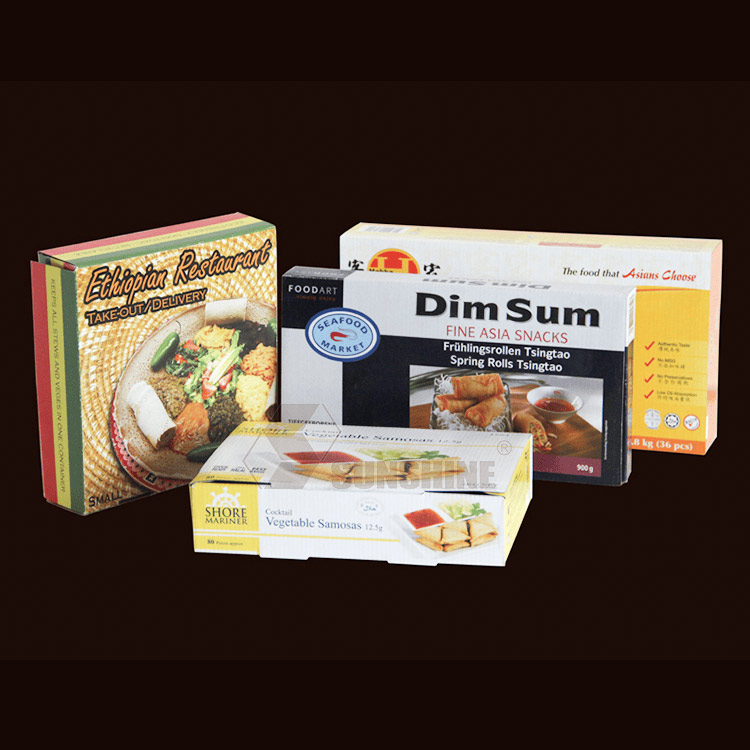
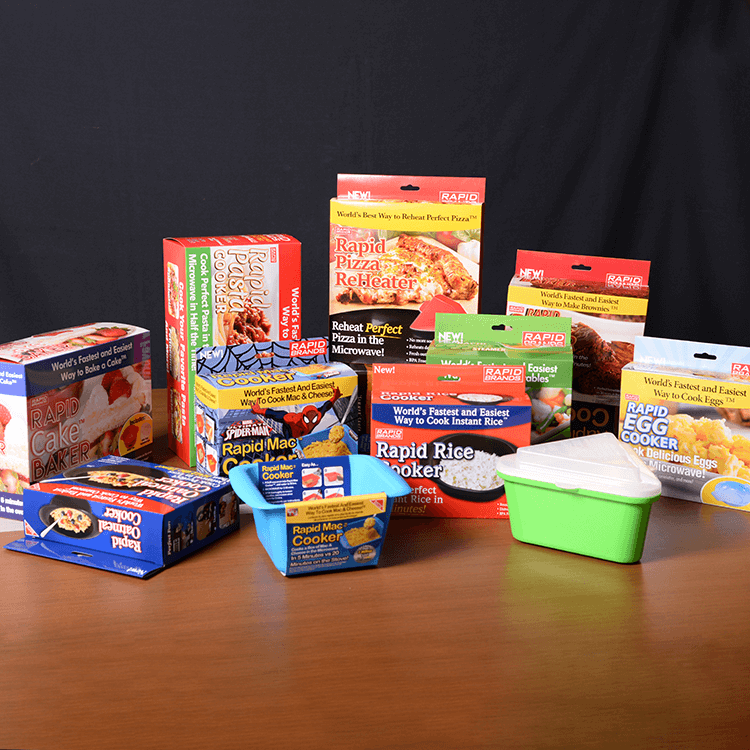
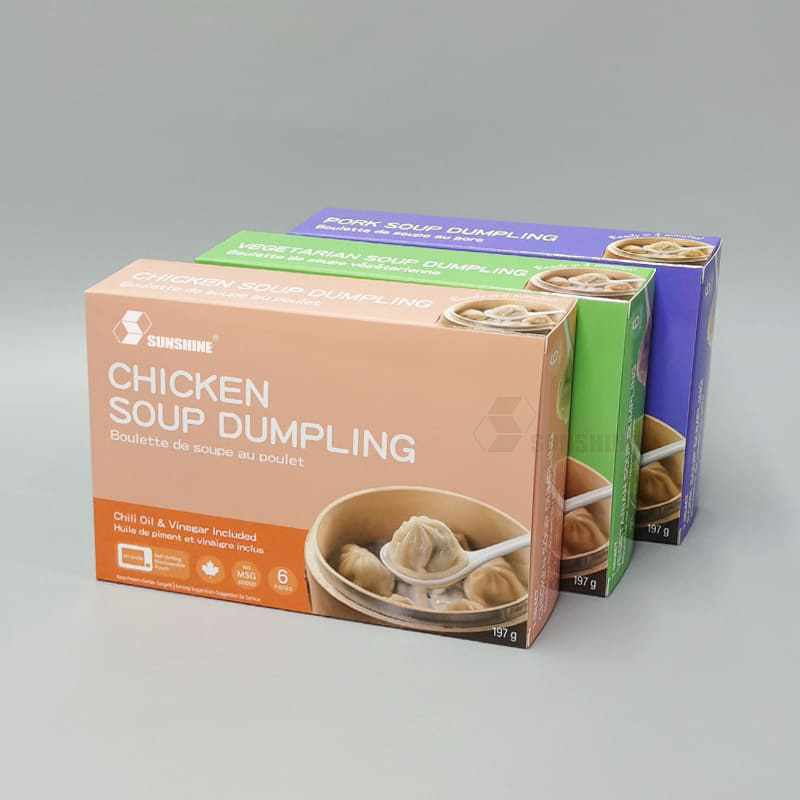
Frozen Food Packaging Table – Quick Reference
| Frozen Food Type | Paper Thickness | Material | Coating / Liner | Structure | Key Notes |
|---|---|---|---|---|---|
| Lightweight Snacks (ice cream bars, single meals) | 250–300 gsm | FBB, SBS | PE / PLA | Folding cartons, sleeves | Light weight; moisture resistant |
| Medium-weight Frozen Meals (vegetables, meal trays) | 300–350 gsm | FBB, SBS, Kraft | PE / PLA, foil laminate | Auto-bottom, tuck-top boxes | Moderate stacking; freezer-safe |
| Heavy / Bulk Items (family lasagna, seafood) | 350–400 gsm, double-wall | SBS, Kraft, Double Wall | PE / PLA, foil laminate | Double-wall trays, gable boxes | Heavy load; long transport; structural integrity |
| Frozen Chocolate / Desserts | 300–350 gsm | SBS, coated board | Foil-lined inner | Folding cartons, window cutouts | Maintains shape; premium look |
| Assorted Treats / Gift Sets | 300–400 gsm | SBS, Kraft | PE / PLA, foil laminate | Gable boxes, multi-compartment | Multi-candy; handle-friendly; eco-friendly |
| Ice Cream / Gelato Cups | 300–350 gsm | FBB, SBS | PE / PLA | Folding cartons, auto-bottom | Moisture-resistant; freezer durable |
| Frozen Vegetables / Bulk | 300–400 gsm | Kraft, FBB | PE | Seal-end boxes, auto-bottom trays | Heavy-duty; pallet-ready |
Tips for Selecting Paper Thickness
- Match thickness with product weight.
- Factor in freezing duration and transport conditions.
- Combine thickness with coatings for moisture protection.
- Choose the right structure (folding cartons, trays, double-wall).
- Prototype testing ensures integrity under freezing and stacking.
Selecting the right paper thickness for frozen food packaging is crucial for product protection, shelf appeal, and consumer satisfaction.
By considering environment, weight, materials, and structure, brands can ensure packaging:
- Withstands freezer storage and stacking
- Prevents condensation and sogginess
- Enhances shelf-ready presentation
- Supports sustainable and eco-friendly practices
Working with an experienced supplier helps turn your packaging vision into a functional, attractive, and safe solution, boosting B2B sales and retailer confidence.