
If you walk into any supermarket, you’ll notice that pasta products are almost always sold in boxes rather than loose bags. This isn’t just a design choice—it’s a packaging strategy that protects the pasta, keeps it organized on shelves, and helps brands stand out.
For food brands and importers, a common question is:
“What packaging is used for pasta boxes?”
Choosing the right pasta packaging boxes is important because pasta needs protection from moisture, crushing, and contamination during storage and transportation. At the same time, the packaging should look attractive enough to compete on crowded supermarket shelves.
In this guide, we’ll explain the most common pasta box packaging materials, structures, and practical considerations for food brands.
Why Pasta Packaging Boxes Are Important
Before discussing the materials, it’s helpful to understand why pasta is typically packaged in boxes.
Pasta products such as spaghetti, penne, and macaroni are dry foods, but they are still sensitive to several factors:
- moisture exposure
- physical breakage
- dust or contamination
- handling during transport
Good pasta packaging boxes protect the product while also making it easier for retailers to store and display.
One pasta importer once mentioned something interesting during a packaging discussion:
“We tried selling pasta in plastic bags years ago. Customers didn’t trust the product as much, and the pasta often broke during shipping. Switching to pasta box packaging solved both problems.”
That’s why most established pasta brands rely on strong, well-designed packaging boxes.
Common Materials Used for Pasta Packaging Boxes
Several materials are commonly used for pasta box packaging, but paperboard remains the most popular.
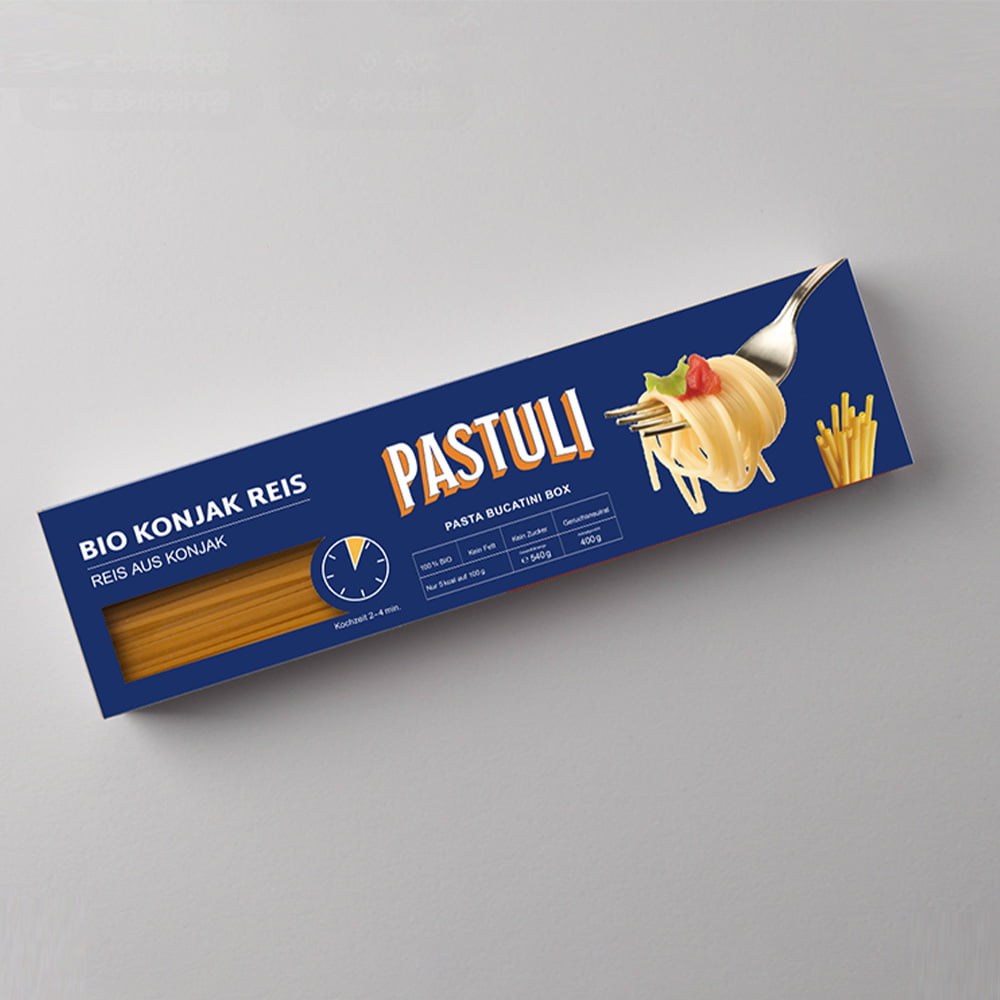
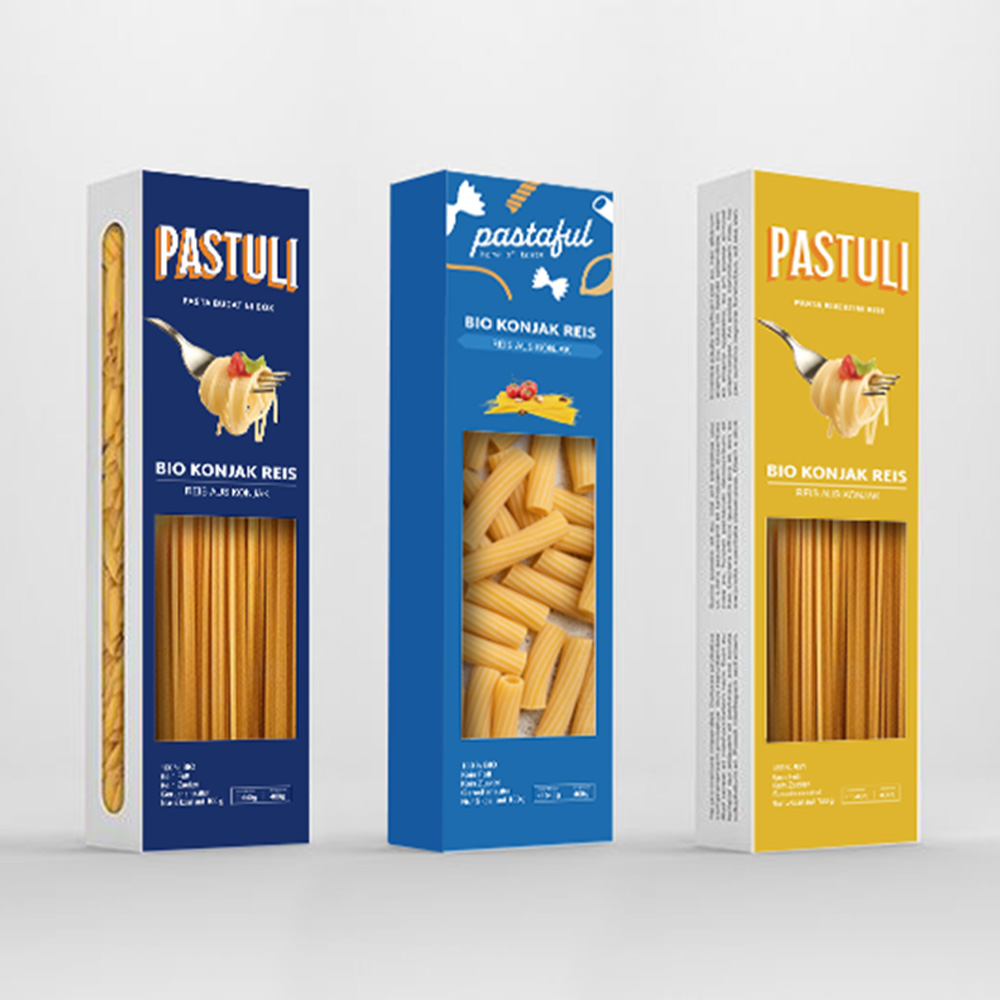
Paperboard – The Most Popular Material for Pasta Packaging Boxes
Why Paperboard Works Well for Pasta Box Packaging
Paperboard is widely used for pasta packaging boxes because it provides the right balance of protection, cost efficiency, and branding possibilities.
Advantages include:
- lightweight but durable structure
- excellent printing quality for branding
- recyclable and environmentally friendly
- easy to cut into different box shapes
Most supermarket pasta boxes are made from food-grade paperboard with thickness ranging from 250–350 gsm, depending on the product weight.
Paperboard also allows brands to create distinctive shelf designs, which is important for retail visibility.
Kraft Paperboard for Eco-Friendly Pasta Packaging
In recent years, many food brands have shifted toward kraft paperboard pasta packaging boxes to highlight sustainability.
Kraft packaging offers several benefits:
- natural, eco-friendly appearance
- strong paper fibers
- recyclable material
Brands selling organic or premium pasta products often prefer kraft packaging because it communicates a natural and environmentally responsible image.
Paperboard with Window Panels
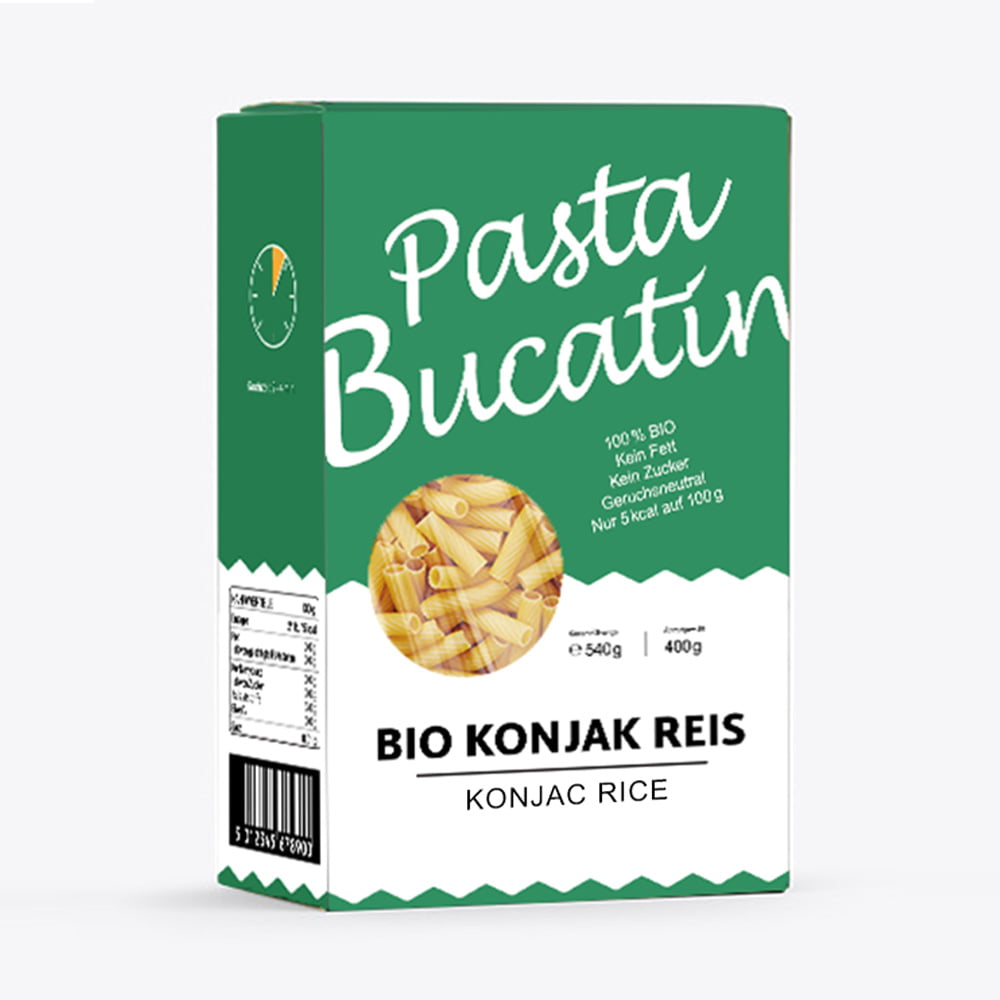
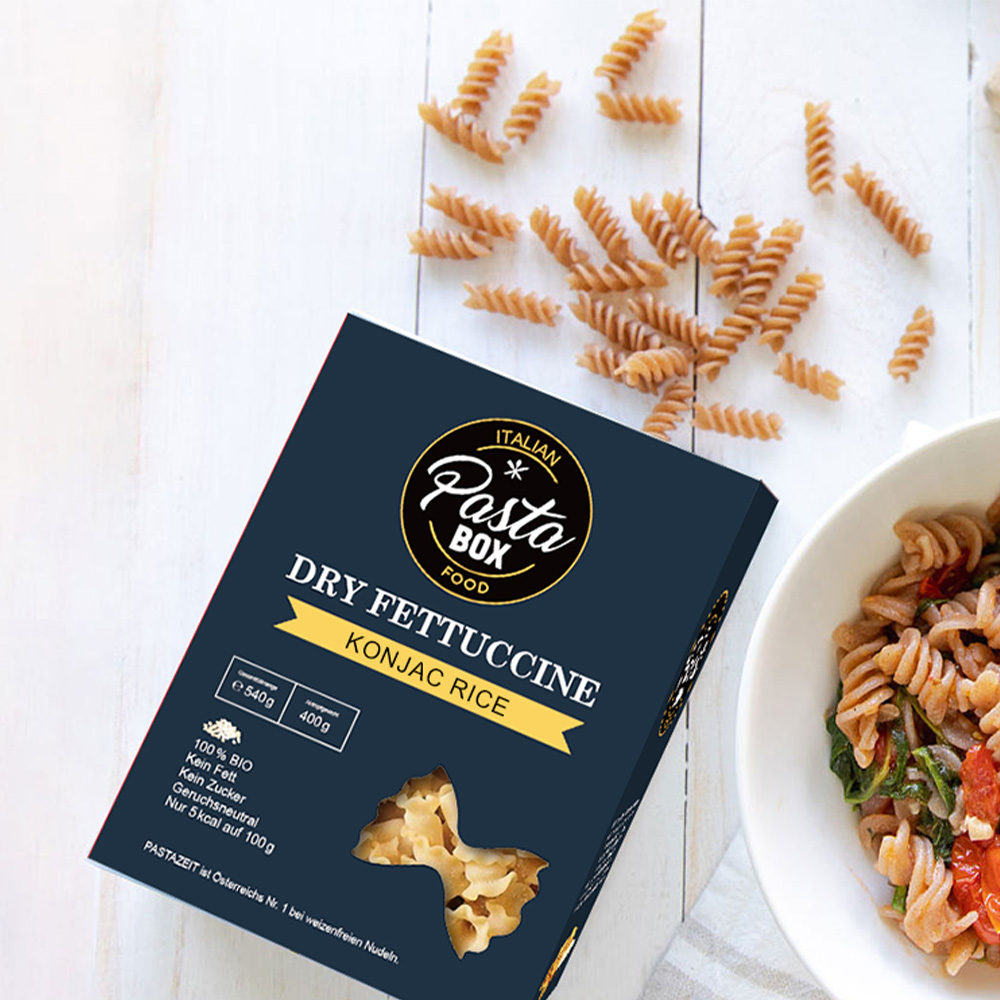
Another popular design for pasta box packaging includes transparent window cut-outs.
These windows allow customers to see the pasta inside the box, which helps build trust and improve purchase confidence.
Window pasta boxes are commonly used for:
- spaghetti
- penne
- fusilli
- specialty pasta shapes
Many buyers say that customers like being able to see the product before buying, especially when the pasta has unique shapes or colors.
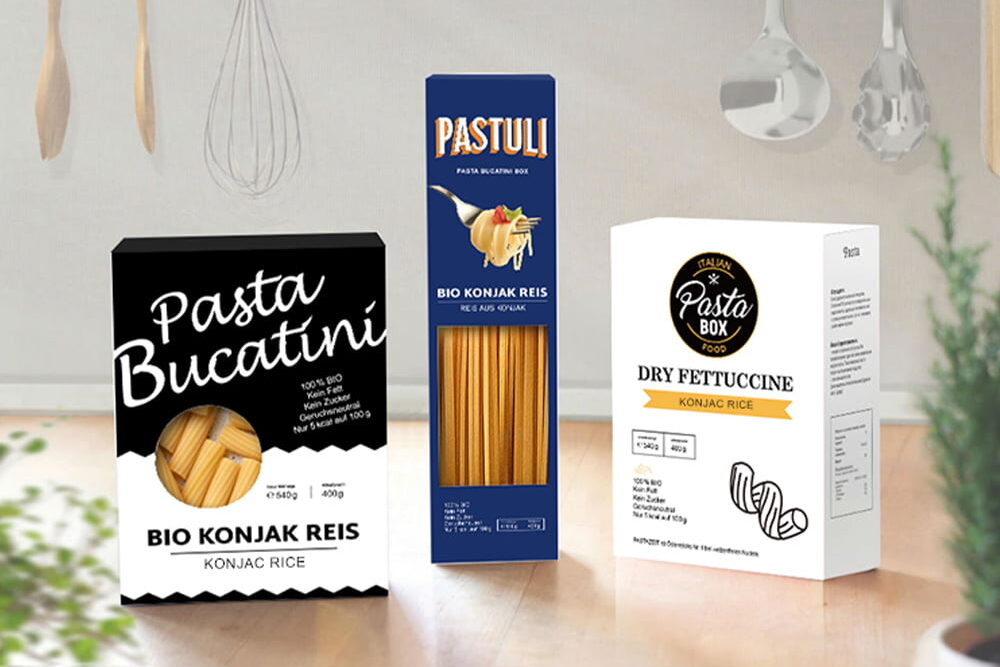
Inner Packaging for Pasta Boxes
Even though pasta is sold in boxes, the box itself is not always the only packaging layer.
Many brands use inner liners or plastic sleeves inside the pasta packaging boxes.
Plastic Inner Bags
A thin plastic bag inside the pasta box helps protect the product from:
- humidity
- dust
- contamination
This is especially common for long shelf-life pasta products.
Biodegradable Inner Films
Some eco-conscious brands are now switching to biodegradable inner films to reduce plastic usage while maintaining food protection.
This approach combines:
- sustainable outer paper packaging
- protective inner barrier layer
Structural Designs for Pasta Packaging Boxes
Beyond materials, the structure of the pasta box packaging also matters.
Straight Tuck End Boxes
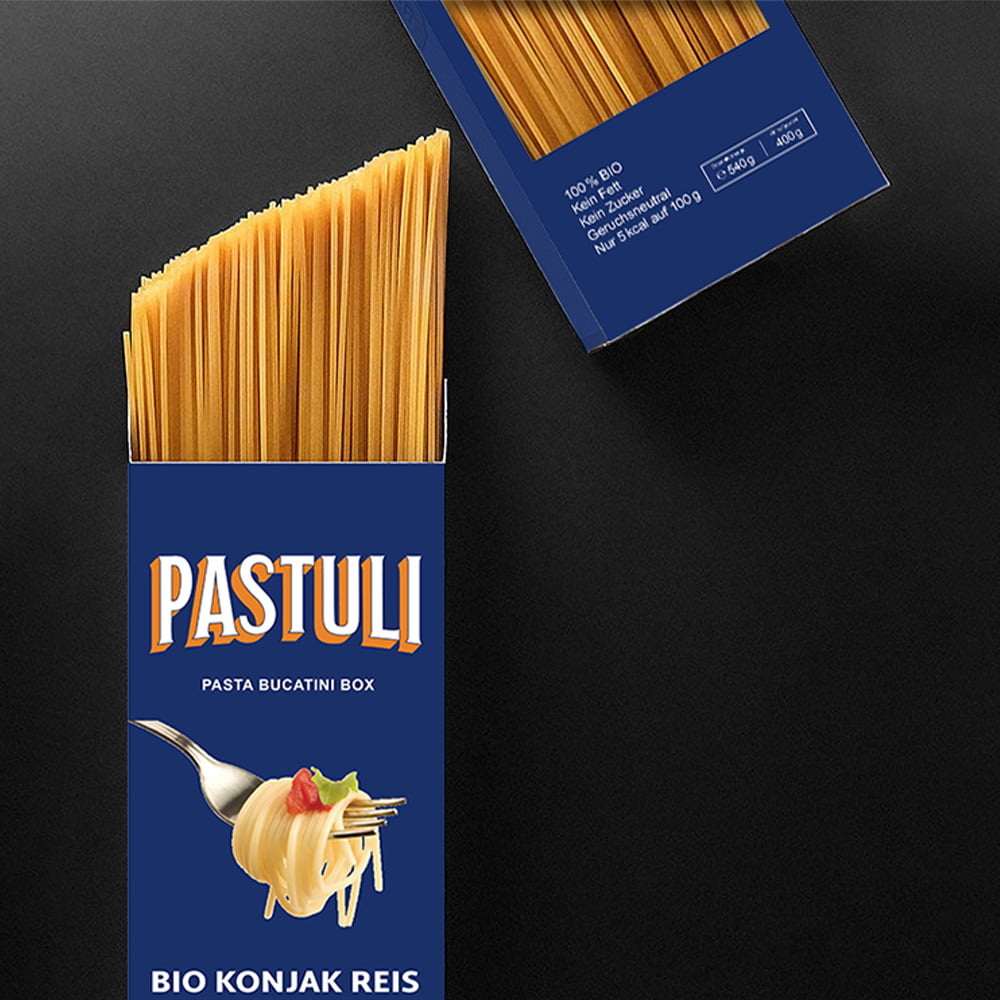
One of the most common structures for pasta packaging boxes is the straight tuck end box.
Benefits include:
- easy assembly
- efficient packing
- secure product closure
This design is widely used in retail pasta packaging.
Auto-Bottom Pasta Boxes
For heavier pasta products, some brands use auto-bottom boxes, which provide extra strength and stability.
These boxes are easier for packing lines and offer better load-bearing capacity.
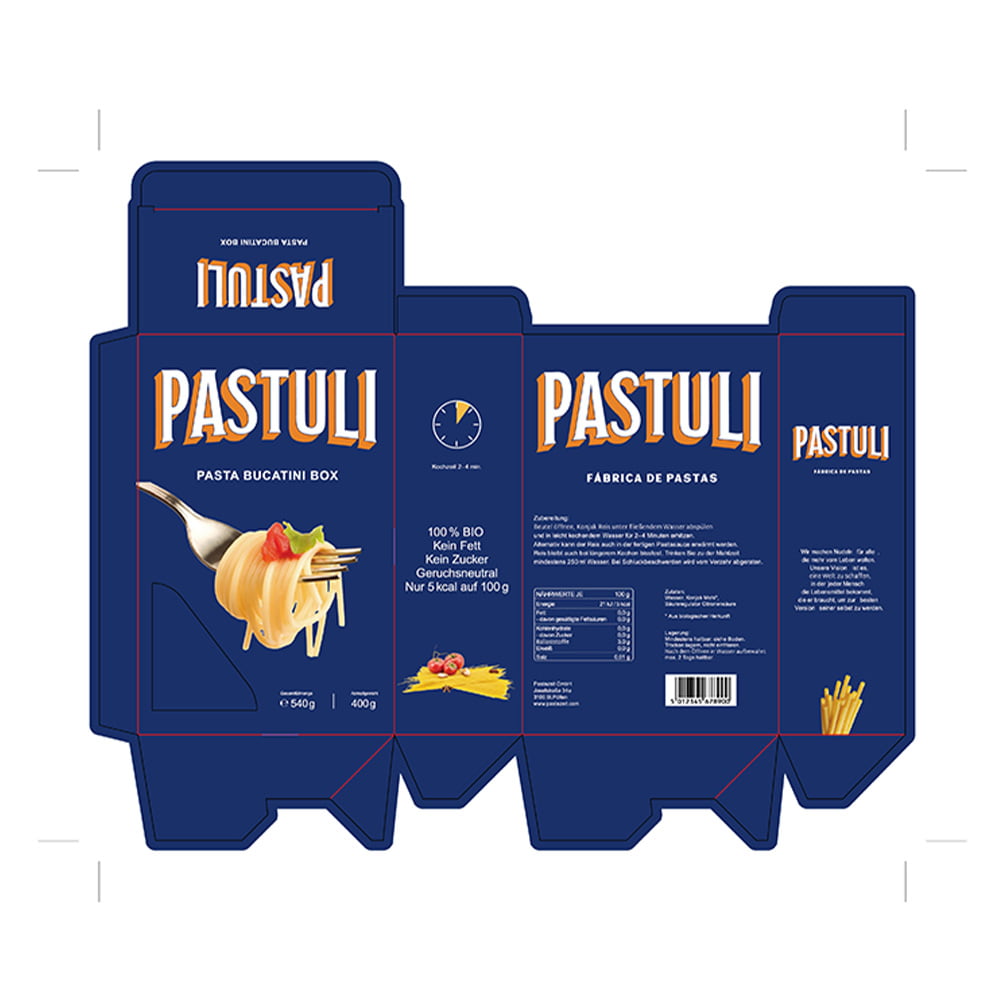
Design Tips for Successful Pasta Packaging Boxes
From a packaging perspective, several design factors can help pasta brands succeed in retail markets.
Focus on Shelf Visibility
Supermarket shelves are crowded with pasta brands. Strong pasta box packaging design can help products stand out through:
- bold brand colors
- large product names
- clear cooking instructions
Packaging should be easy to recognize even from a distance.
Ensure Structural Strength
Although pasta is dry, it can break easily if the packaging is too weak.
Choosing appropriate paperboard thickness helps prevent product damage during shipping.
Consider Sustainability
More consumers now prefer eco-friendly packaging. Using recyclable pasta packaging boxes can strengthen your brand’s environmental message.
Many retailers also prioritize sustainable packaging suppliers.
So, what packaging is used for pasta boxes?
Most pasta brands rely on paperboard pasta packaging boxes because they offer the ideal combination of protection, printability, and sustainability.
The most common pasta packaging solutions include:
- paperboard pasta boxes
- kraft paper packaging boxes
- window pasta packaging boxes
- boxes with inner protective bags
By choosing the right pasta box packaging, food brands can protect their products, improve shelf presentation, and build stronger consumer trust.
In the competitive food market, packaging plays a crucial role—not only in protecting pasta but also in helping brands stand out on retail shelves.