If you sell snacks—whether it’s cookies, chips, nuts, or energy bars—one question comes up over and over from buyers:
“What type of packaging is best for my snack products?”
As a snack brand owner or retailer, choosing the right packaging isn’t just about looks—it’s about freshness, shelf appeal, convenience, and cost-effectiveness. The right choice can make your product stand out on the shelf, reduce breakage, and make your customers happy.
In this guide, we’ll break down the best packaging options for snack products, what matters when deciding, and practical tips to help you make the right choice.
Why Choosing the Right Packaging for Snack Products Matters
For snack brands—from cookies and chocolate to nuts and granola bars—packaging does more than hold your product. It’s often the first impression a customer gets, and the right packaging can:
- Preserve freshness and quality
- Make your product stand out on shelves
- Communicate brand values and identity
- Improve convenience for consumers
A candy brand owner once admitted:
“We initially used standard bags for our chocolate bars. Customers loved the product, but it felt cheap on the shelf. Switching to custom boxes immediately boosted our retail presence.”
The right packaging is a marketing tool, a protective layer, and a functional product container all in one.
1. Understand Your Snack Product
The first step in choosing the best snack packaging is understanding the product:
- Is it dry (granola bars, cookies)?
- Is it oily or sticky (chocolate, peanut butter snacks)?
- Is it moisture-sensitive (dried fruit, trail mix)?
- Does it need single-serving packs or bulk packaging?
For example:
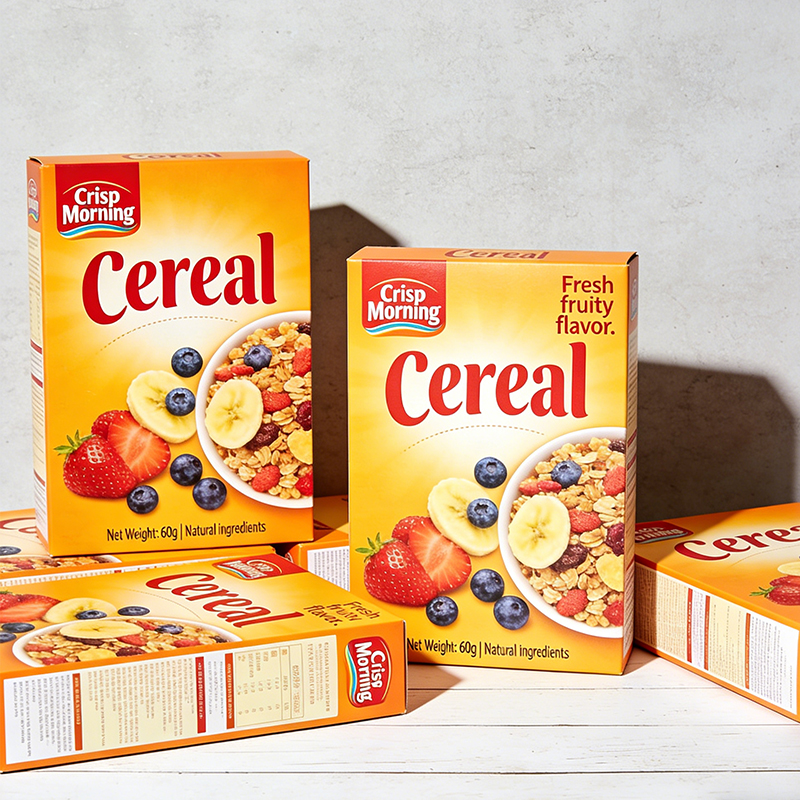
- Dry snacks like granola bars often use folding cartons or sleeve packaging
- Oily snacks like chocolate or coated nuts benefit from high-barrier paperboard with inner liners
- Moist snacks like dried fruits may require coated boxes or moisture-proof sleeves
Knowing your product type ensures the packaging protects freshness and meets consumer expectations.
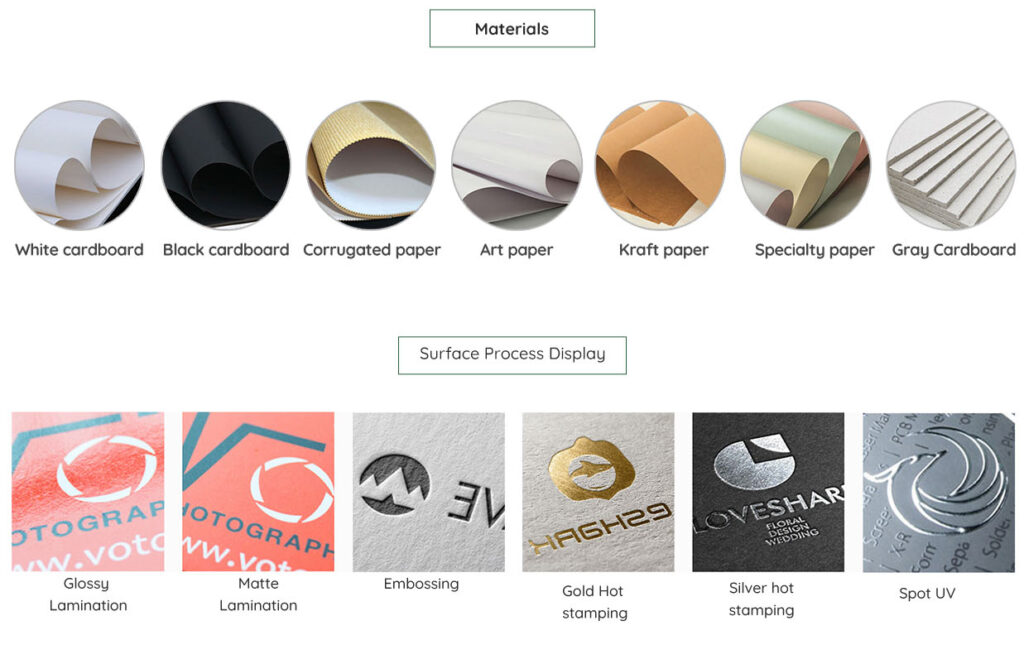
2. Choose the Right Material
Materials influence durability, printing quality, and brand perception:
- SBS Paperboard – smooth surface, premium printing quality
- Kraft Paperboard – eco-friendly, natural aesthetic
- Coated Paperboard – moisture and grease-resistant
- Barrier Paper or Laminates – protects snacks sensitive to oil, moisture, or oxygen
A nut snack brand once tried uncoated kraft boxes. While the natural look was appealing, oils seeped through. Switching to coated kraft paperboard solved the issue while keeping the eco-friendly appeal.
3. Select the Right Packaging Structure
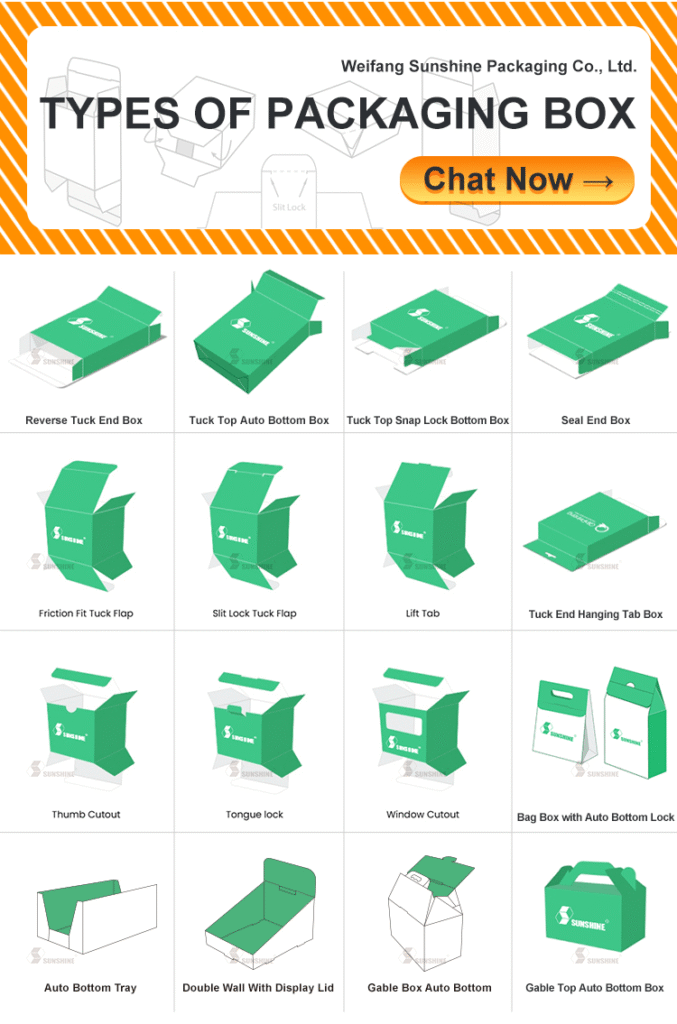
The structure impacts ease of use, storage, and retail presentation:
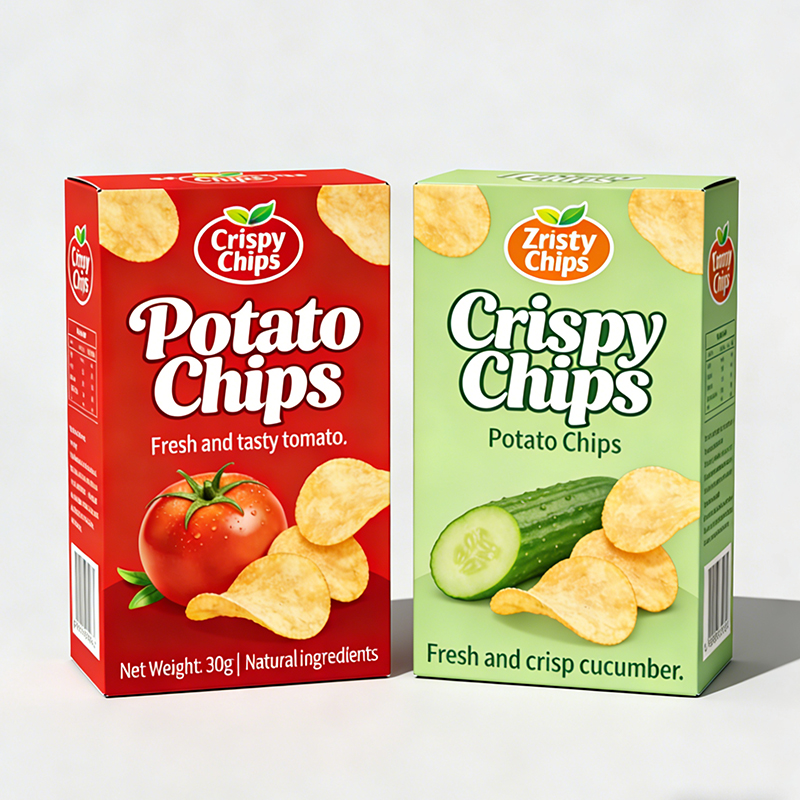
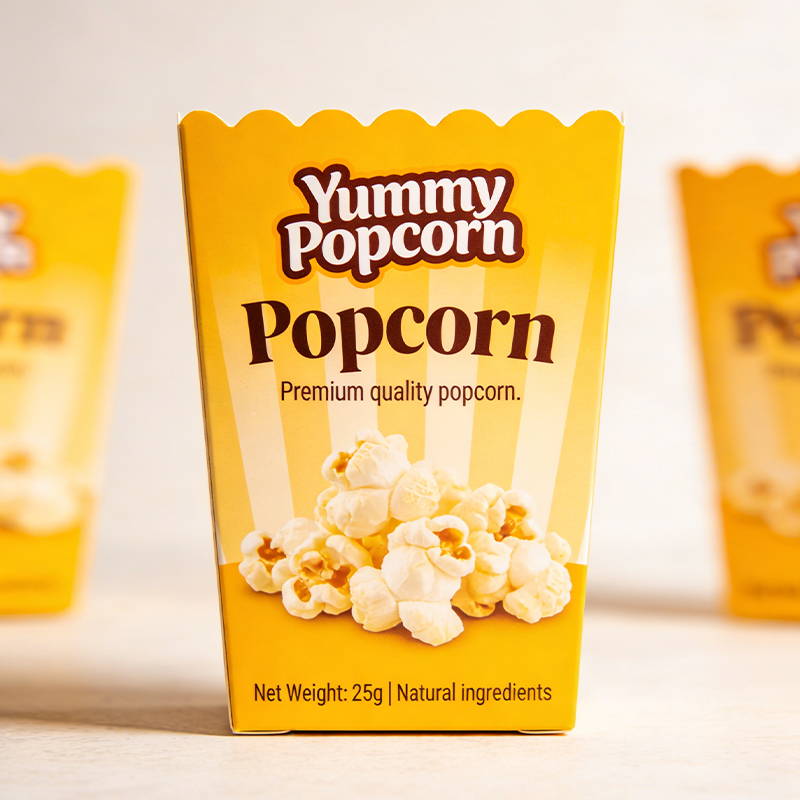
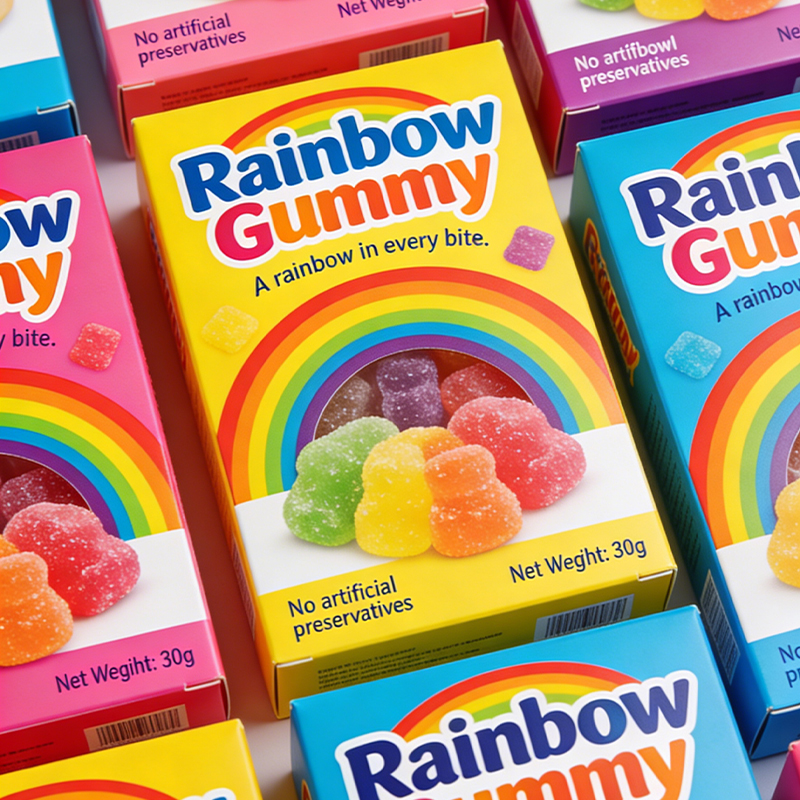
- Folding Cartons – ideal for single or multipack snacks, cost-effective
- Sleeves – bundle multiple snack bars neatly, great for subscription boxes
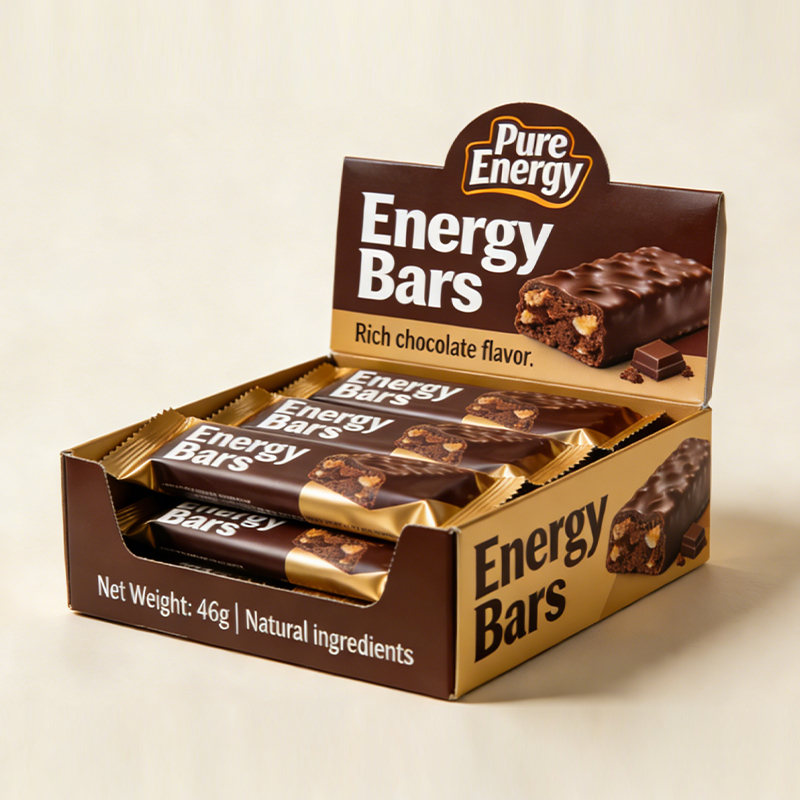
- Display Boxes / Shelf-Ready Packaging – perfect for supermarkets
- Pouches or Stand-Up Bags – common for chips, popcorn, nuts
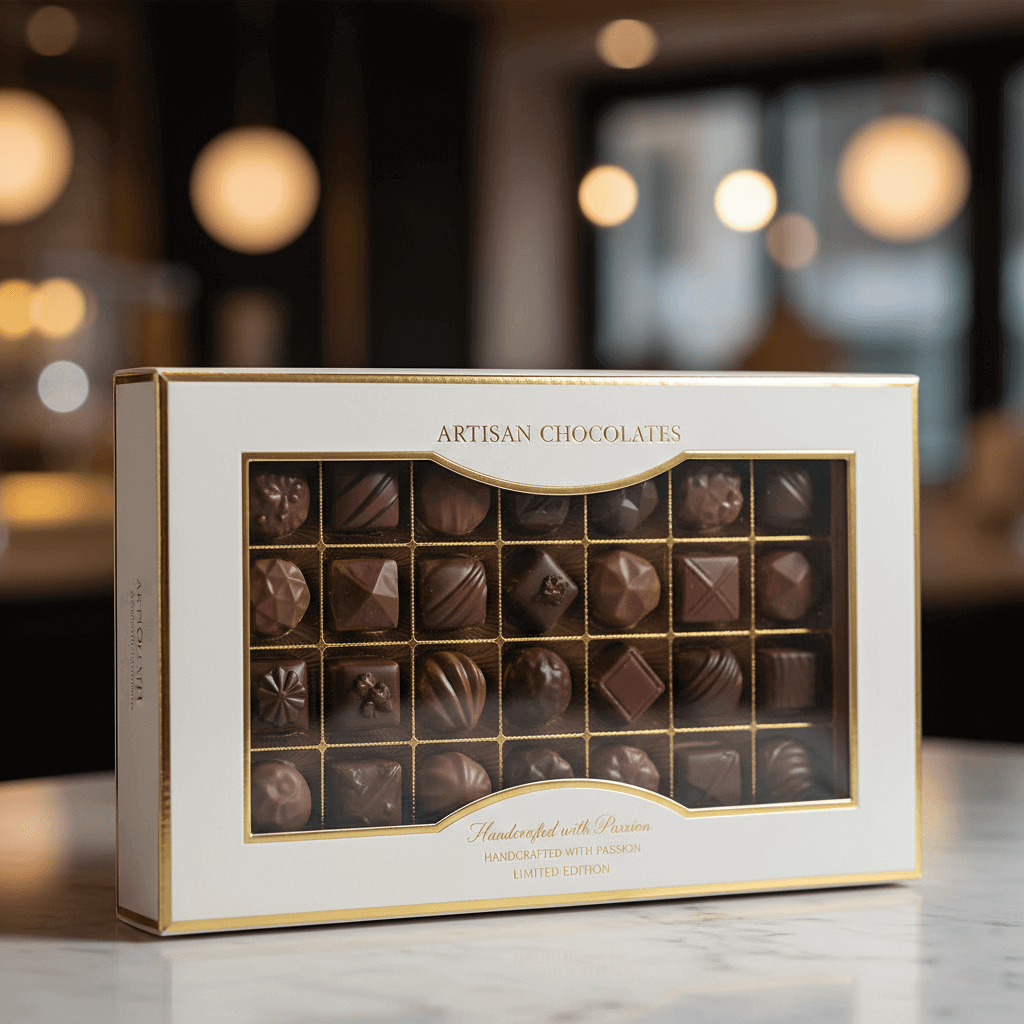
Many brands underestimate retail display impact. A simple change, like a window cutout or shelf-ready display box, can significantly increase impulse purchases.
4. Printing and Finishing for Visual Appeal
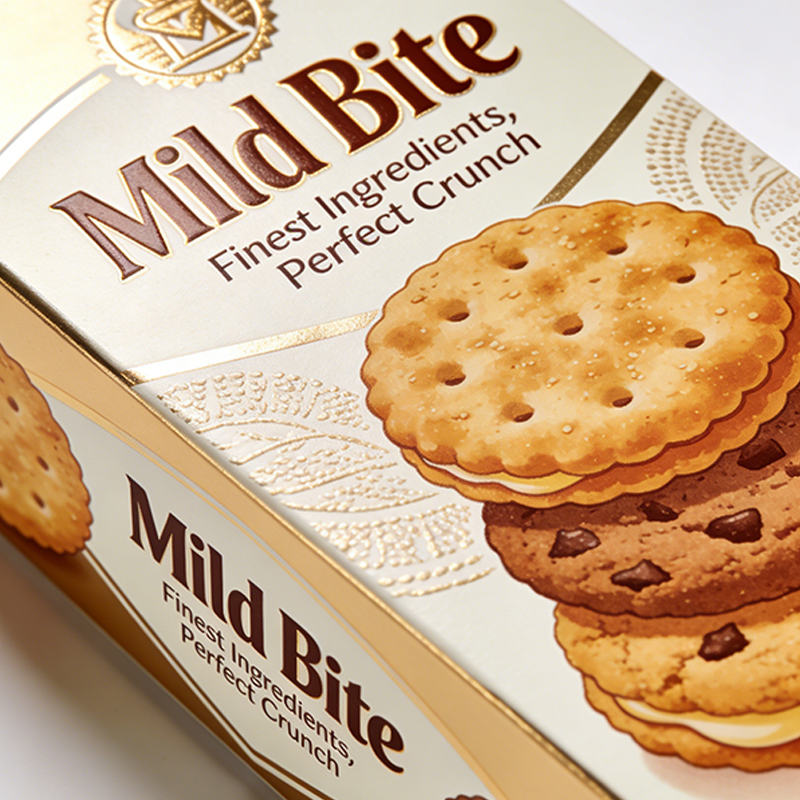
Good printing and finishing help your snack packaging stand out:
- Full-color printing for brand recognition
- Spot UV or foil stamping for premium appeal
- Matte or glossy lamination for texture and durability
One granola bar brand discovered:
“Adding a foil logo to our kraft boxes made the packaging look more premium without increasing production costs drastically.”
Keep designs clear and readable—too much clutter can confuse customers and reduce shelf impact.
5. Consider Convenience and Functionality
Snack packaging should also prioritize consumer convenience:
- Easy-open designs for quick access
- Resealable options for freshness
- Portion-sized packaging for single servings
Brands often overlook this, but functional packaging improves customer satisfaction and repeat purchases.
6. Balance Cost and Quality
For B2B clients, cost is always a factor. To optimize snack packaging cost without sacrificing quality:
- Choose materials that are durable but cost-effective
- Avoid overly complex structures for small runs
- Plan order quantities to leverage economies of scale
A cookie brand shared:
“We initially tried very fancy custom boxes, but the cost per unit was high. Our manufacturer suggested a simpler folding carton with quality printing—it looked premium, stayed on budget, and met MOQ requirements.”
7. Collaborate With a Packaging Manufacturer
Working with an experienced snack packaging manufacturer is crucial. Share:
- Product type and dimensions
- Desired quantity and order frequency
- Printing and finishing preferences
- Functional requirements like reseal or barrier protection
A knowledgeable manufacturer can suggest material alternatives, structural improvements, and cost-effective designs, ensuring your snacks look professional and are protected in transit.
The best packaging for snack products combines:
- Protection for the product
- Visual appeal for the shelf
- Ease of use for consumers
- Cost efficiency for brands
By understanding your snack’s needs, choosing appropriate materials and structure, and collaborating with a reliable manufacturer, your packaging becomes a strategic tool for marketing and product success.